
Show summary Hide summary
- How the lion population has grown: the latest census numbers
- Territory gains: habitat expansion across Gujarat
- What conservation actions delivered results
- Natural recolonization and notable milestones
- Historical context: Asiatic lions, old ranges, and surviving pockets
- Ongoing risks and management challenges for a growing population
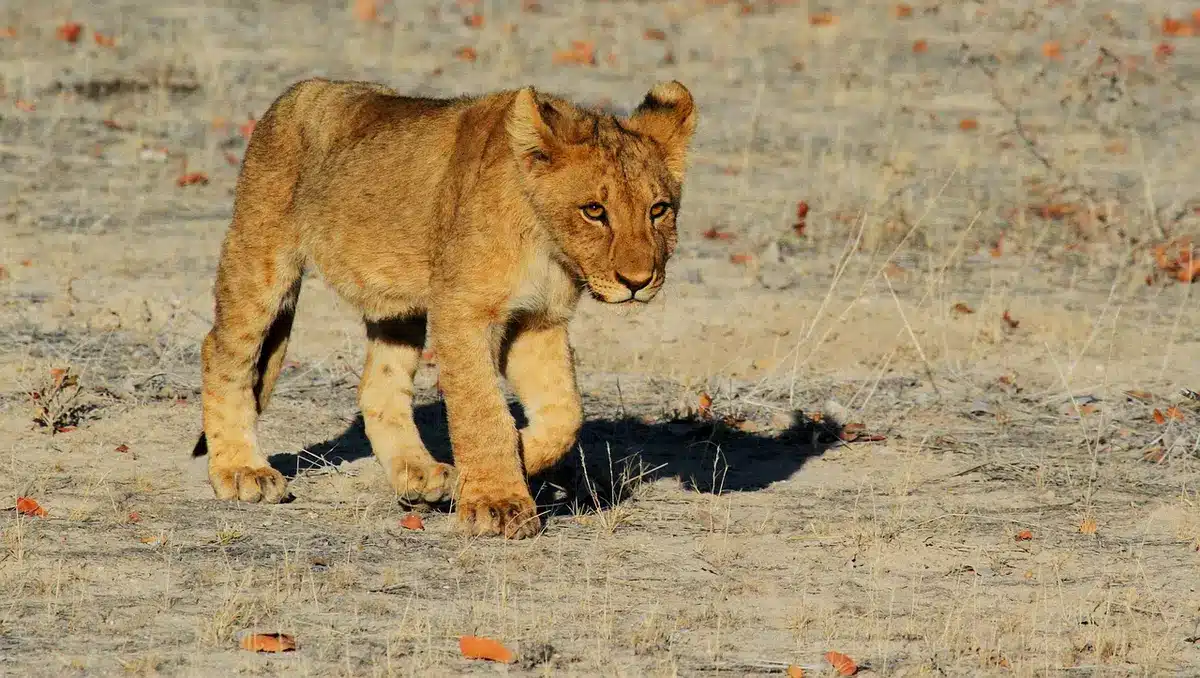
Asiatic lions in western India are staging a remarkable comeback. Recent government estimates show the population climbing sharply over the past decade, driven by sustained conservation work across Gujarat’s protected landscapes.
The numbers and the area the animals occupy have both risen, offering a rare success story for big-cat recovery while also raising questions about how to manage growth and spread safely for people and wildlife alike.
The Growing Demand for Data-Driven Decision Making in Silicon Valley
He quit, ran out of money, and begged to come back — here’s how his boss reacted
How the lion population has grown: the latest census numbers
India’s 16th Asiatic Lion Population Estimation, carried out in May 2025 and presented by Union Environment Minister Bhupender Yadav, reveals a striking rebound. The survey records 891 lions in the Greater Gir Landscape — a jump from 523 in 2015. That represents roughly 70% growth over ten years and about 32% growth in six years.
- Current tally: 891 lions (May 2025 census)
- 2015 baseline: 523 lions
- 1980s low: an estimated 60–80 individuals in Gir
Territory gains: habitat expansion across Gujarat
The lions’ rangeland is expanding as well. From about 30,000 square kilometers in 2020, their range now approaches 35,000 square kilometers across 11 districts. Historically, their occupied area was far smaller — in 1990 it was roughly one-fifth of today’s extent in the region.
This spread reflects not only population growth but also movement into peripheral protected areas and wildlife corridors, easing pressure on core Gir reserves.
What conservation actions delivered results
Experts point to a combination of targeted measures that have helped lions rebound. Officials emphasize rebuilding the food base and protecting habitat as central to success.
Key measures behind the recovery
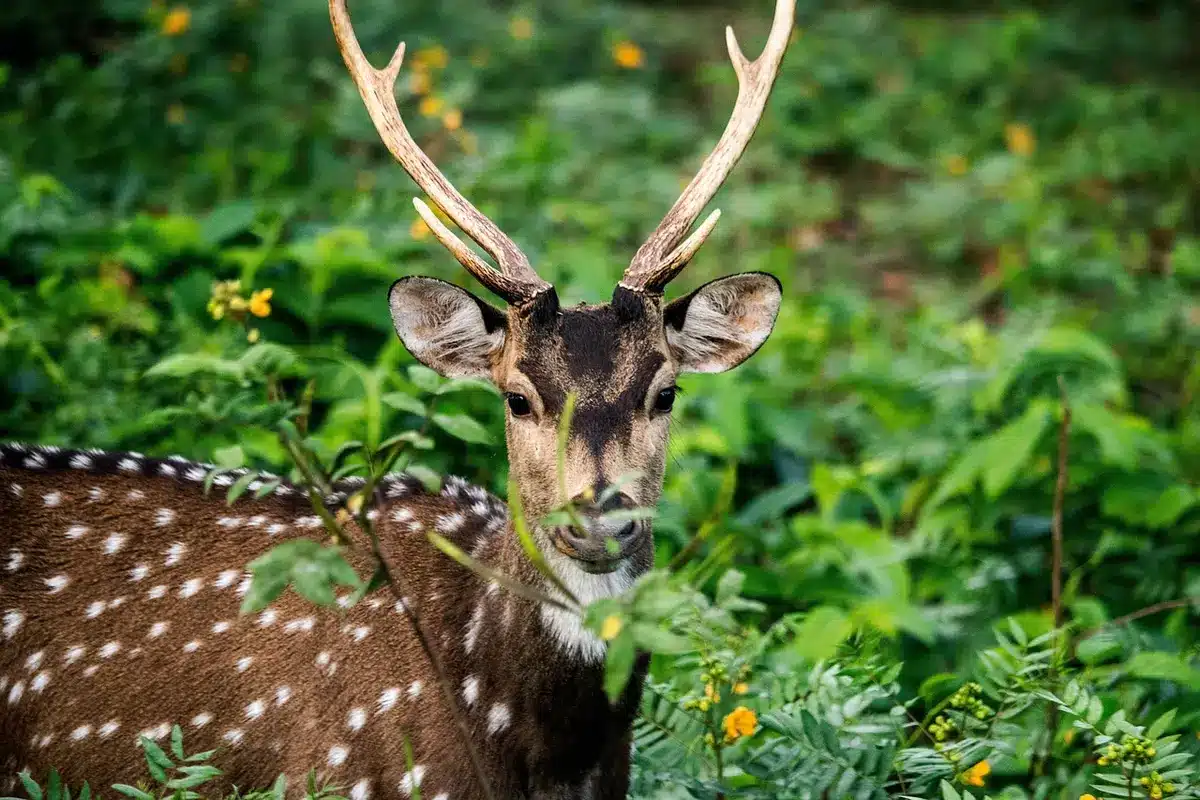
- Prey restoration: deliberate efforts to increase numbers of nilgai, sambar, chital (spotted deer) and wild pigs
- Landscape protection: expansion and better management of the Greater Gir Landscape and adjacent sanctuaries
- Monitoring and scientific surveys: regular population counts and tracking to guide policy
- Community and stakeholder engagement: working with local people to reduce conflict and support coexistence
Natural recolonization and notable milestones
One eye-catching development has been the natural return of lions to Barda Wildlife Sanctuary. Absent from that area since the 19th century, lions reappeared in 2023 and now maintain a resident group of about 17 individuals. Such recolonizations reflect the species’ ability to reclaim suitable habitat when protections and prey base are in place.

Historical context: Asiatic lions, old ranges, and surviving pockets
While most people associate lions with Africa, the Asiatic subspecies once ranged widely across the Old World. Today it survives in the wild only in India, a stark contrast to broader historical ranges that included parts of the Middle East and beyond. Other big cats also retain surprising outposts: cheetahs persist in Iran and leopards live in regions such as Azerbaijan.
Ongoing risks and management challenges for a growing population
Despite the positive trends, several challenges remain as the population climbs and territory spreads.
- Genetic vulnerability: a single stronghold leaves the species susceptible to disease and inbreeding.
- Human-wildlife conflict: greater movement into fringe areas increases encounters with people and livestock.
- Habitat fragmentation: development and land-use change can isolate groups and reduce long-term resilience.
- Disease and ecological shocks: epidemics among prey or predators could rapidly reverse gains.
Conservation planners are weighing measures such as creating and protecting corridors, strengthening veterinary surveillance, and encouraging landscape-level cooperation among districts to reduce those risks.
You might also like:
- Rembrandt lion drawing sells for $18M to fund lion conservation, thanks to Tom Kaplan
- Cloud jaguar sighting in Honduras caught on trail cam, first in a decade
- World’s first giant anteater reintroduction in Brazil shows early success
- Rare fisher spotted on trail cam in Cleveland area, first seen since 1800s
- Coastline saved by reverend’s final donation after he once walked there

Michael Thompson is an experienced journalist covering U.S. and global news. With ten years on the front lines, he breaks down political and economic stories that matter. His precise writing and keen attention to detail help you grasp the real‑world impact of every event.


Who wouldve thought, mate? Indias lion gang is booming! Up 70% in a decade? Thats some serious lion hustle. Kudos to those conservation heroes making it happen. Lions ruling the jungle, love to see it!
Dang, mate, whod have guessed, right? Indias lion crew smashing it! Thats one heck of a hustle, up 70% in ten years? Massive props to those wildlife warriors makin it all happen. Lions takin charge in the wild, absolute legends!
I remember watching documentaries bout these majestic creatures. Its a relief seein the numbers goin up. Hope more efforts are made to protect em. Its a win for nature!
Man, those documentaries were somethin else! Seeing those majestic creatures thriving again really warms the heart. Lets keep rootin for em and hope the efforts pay off big time. Nature definitely deserves this win!
Man, talk about a comeback story! Indias lions are like the underdog who turned into a champ. Big props to all the conservation efforts paying off big time. Lets keep the wins coming for these majestic beasts!
Man, can you believe it? Indias lion population shot up by 70% in a decade! Thats some good news for a change. Hope other countries take notes on these conservation wins.
Man, thats some good news for a change! Seeing those lion numbers go up warms my heart. Hope we keep up the good work and protect those majestic beasts. Wildlife needs all the help it can get, yo.
Man, I remember when lions were on the decline, it was a real bummer. But hearing about this increase in their population and habitat size in India? Thats the good news we need! Hope other countries follow suit.
Yo, totally feel ya on that! Its wild how things can turn around for the better, aint it? Seeing those lions making a comeback in India is legit heartwarming. Lets hope the trend spreads like wildfire to other spots too. Gotta keep those majestic beasts thriving!
Man, I remember when seeing a lion was like finding a needle in a haystack. Now theyre bouncing back big time! Kudos to those working hard to protect these majestic beasts and their habitats. Lets keep this positive trend going!
Ah, man, aint that the truth! Lions making a comeback is like a plot twist in a movie you never saw coming. Its like they hit the reboot button on their species and now theyre back in the spotlight. Big cheers to the wildlife warriors making it happen! Lets hope this aint just a one-hit wonder and they keep rocking that comeback tour.
Man, I remember when spotting a lion was like finding a needle in a haystack. Now, hearing about Indias lion population booming 70% and habitats growing 15% in a decade? Thats some good news for once!
Dang, mate, thats wild news, eh? Lions spreading out like they own the place! I feel ya, used to be like finding a four-leaf clover. Now theyre just struttin around like they own the savannah. Good on them, though. Maybe theyll start their own lion city soon!
I remember watchin a documentary bout lions in India a while back. Good to hear their numbers are finally goin up! Hope they keep protectin em habitats, these majestic beasts deserve it.
Man, hearing about that lion population in India booming is like a breath of fresh air! Its rad to see conservation efforts paying off. Lets keep it up and protect these majestic beasts for future generations!
Man, talk about some good news for once! The lion population in India soaring up 70% and habitat expanding 15% in a decade? Thats the kind of update I wanna hear more often. Conservationists, keep doing your thing!