
Show summary Hide summary
- Turning restaurant waste into living reefs: the basics of the Billion Oyster Project
- How the hatchery process works on Governor’s Island
- Scale, impact, and measurable results so far
- Community, volunteers, and partnerships fueling the work
- Why oyster reefs matter for New York’s shoreline resilience and restaurants
- Related restoration and reuse projects worth watching
- Media coverage and the road ahead
On a small stretch of Governor’s Island, an unlikely recycling program has quietly become one of New York Harbor’s most powerful restoration projects. Leftover oyster shells from dozens of city restaurants are collected, cured, and used to rebuild reefs that clean water, buffer storm waves, and seed the next generation of oysters.
Called the Billion Oyster Project, this initiative pairs urban waste diversion with habitat restoration, turning what was once landfill material into living infrastructure that benefits marine life and the city’s dining scene.
The Growing Demand for Data-Driven Decision Making in Silicon Valley
He quit, ran out of money, and begged to come back — here’s how his boss reacted
Turning restaurant waste into living reefs: the basics of the Billion Oyster Project
The program asks restaurants to set aside used oyster shells instead of tossing them. Those shells are driven to a central sorting and curing site on Governor’s Island, where they’re prepared to receive baby oysters. Over time the shell piles are cleaned of harmful bacteria and invasive hitchhikers so they can become safe substrate for new life.
- Shell collection network: About 75 New York City restaurants currently participate in the program, diverting shells from municipal trash.
- Shell treatment: Curing eliminates disease risks, allowing shell to be used as the base for reef rebuilding.
- Reef placement: Once juvenile oysters are ready, bags of seeded shell are transported and spread across designated reef sites in the harbor.
How the hatchery process works on Governor’s Island
A compact hatchery on the island incubates oyster larvae and attaches them to cured shells. Instead of a slow, scattershot approach, the project raises juveniles in large batches, then plants them out into the harbor’s restoration zones.
From larvae to reef seed
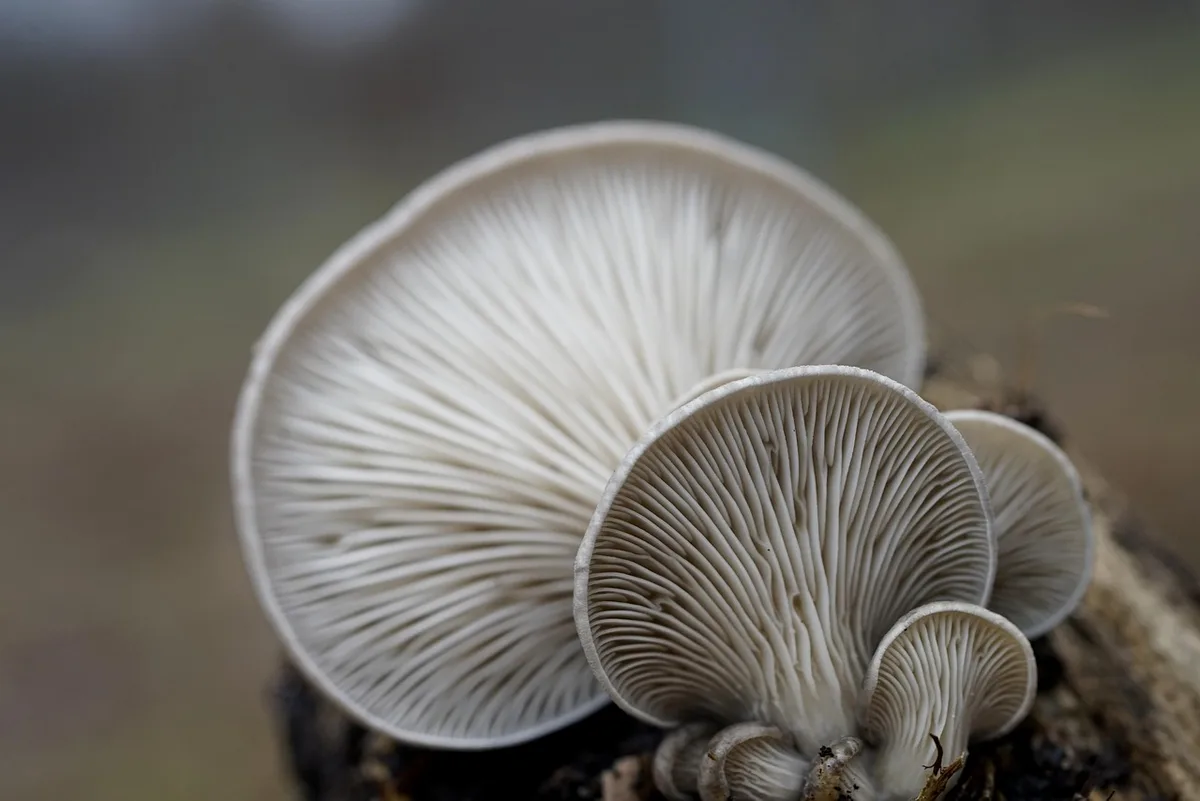
Technicians release oyster larvae in controlled tanks where they settle onto prepared shells. At peak capacity the hatchery can raise millions of spat at once—reports indicate up to 10 million baby oysters per cycle—before they are bagged and trucked to restoration sites.
Scale, impact, and measurable results so far
The Billion Oyster Project has reached meaningful milestones on its way to an ambitious goal. To date, the effort has raised roughly 200 million live oysters using about 3.2 million pounds of recycled shells. Those restored reef acres are already delivering measurable ecosystem services.
- Area restored: Reefs planted across roughly 19 acres of harbor bottom.
- Water filtration: Scientists estimate the oysters raised have filtered enormous volumes of harbor water—on the order of tens of trillions of gallons—helping clear damaging algae and suspended particles.
- Progress toward the goal: The project reports it has achieved about 20% of its one-billion-oyster target, with planning continuing toward 2035.
Community, volunteers, and partnerships fueling the work
Volunteers, educators, and science staff form the backbone of the project. Local schools and community groups engage in shell collection, reef monitoring, and public outreach, making the project as much about civic stewardship as about restoration.
Volunteers and coordinators stress the wider biodiversity benefits: when oysters thrive, they create habitat for fish, crabs, and other marine life, effectively acting as a foundation species for a recovering urban seascape.
Why oyster reefs matter for New York’s shoreline resilience and restaurants
Oyster reefs provide multiple practical benefits. As they build, reefs reduce shoreline erosion by absorbing wave energy—an increasingly important service as storms intensify with climate change. They also improve water quality through filtration and increase local biodiversity by offering habitat structure where it was once missing.
- Coastal protection: Reefs can dissipate wave energy, lowering flood risk for vulnerable waterfront neighborhoods.
- Water quality: Filter-feeding oysters remove particulates and excess nutrients, helping to curb harmful algal blooms.
- Food and economy: A restored oyster population could lower costs for diners and support a more sustainable local shellfish industry.
- Hydrologic benefit: If the project reaches 100 reef sites, models suggest the reefs could cycle the entire water volume of the harbor roughly every three days.
Related restoration and reuse projects worth watching
- Large volunteer-led oyster reef restoration near Portsmouth, England, demonstrating community-scale impacts.
- Florida projects reviving oyster farming and supplying high-end restaurants while restoring estuarine health.
- Innovative uses of oyster shell in products like “sea wool,” turning shell material into yarn and new revenue streams.
Media coverage and the road ahead
National and international outlets have documented the project’s progress, highlighting its blend of science, volunteerism, and practical recycling. Launched in 2008, the initiative has steadily scaled operations and plans continued expansion with the aim of hitting the billion-oyster milestone by mid-century targets.
As shell collection grows and more reef sites are planted across the harbor, project leaders and community partners expect the work to accelerate—creating cleaner water, stronger shorelines, and a living legacy built from the city’s own table scraps.

You might also like:
- Oyster reef restoration off Portsmouth becomes England’s largest with 200+ volunteers
- Heat-resistant coral helps Mauritius restore reefs with 98% survival rate
- Great Barrier Reef recovery from bleaching aided by monsoon rains
- Free oysters: elderly father and son feast after redeeming decades-old restaurant promise
- Bloomberg donates $260 million to turn high seas treaty into lasting ocean protections

Michael Thompson is an experienced journalist covering U.S. and global news. With ten years on the front lines, he breaks down political and economic stories that matter. His precise writing and keen attention to detail help you grasp the real‑world impact of every event.


I mean, who knew chompin down on 3 million oysters could be this eco-friendly? New Yorkers munchin their way to rebuildin reefs is like a tasty superhero mission. Saving the planet, one slurp at a time!
Man, New Yorkers are really doing something unique with all those oysters, huh? Its like turning a seafood feast into a city makeover. Can you imagine if other cities started using their food scraps to rebuild stuff? Crazy cool idea!
Man, New Yorkers really got something goin with them oysters, huh? Turning a seafood feast into a whole city makeover – talk about gettin creative! Imagine if other cities jumped on the bandwagon and started rebuildin stuff with their food scraps. Thatd be one wild ride!
Man, New Yorkers sure know how to turn things around! Eating oysters to rebuild reefs? Now thats some next-level sustainability. Who knew that chowing down on seafood could be so eco-friendly? Just imagine if every city had a tasty way to save the planet!
Man, imagine if all those oysters were burgers instead? New York would be the burger capital of the world! But hey, reefs are cool too, I guess. Oysters doing double duty, feeding and rebuilding. Nice.
Man, New Yorkers sure know how to eat their way to a better city! 3 million oysters? Thats shell-tastic! Turning restaurant scraps into reefs, now thats a sustainable feast. Cant wait to sea the results!
Dang, those New Yorkers aint playin when it comes to their oysters! 3 million shuckin shells? Thats like a whole underwater party goin on! Turning scraps into reefs, now thats some next-level recycling game. Cant wait to see how this oceanic feast pans out!
Man, imagine if all that oyster slurpin at the Big Apple actually does some good for the city! Its like a tasty way to help nature, you know? Props to the Billion Oyster Project for thinking outside the shell!
So, lemme get this straight – New Yorkers are basically saving the city by munching on 3 million oysters? Talk about a delicious way to give back! Props to the Billion Oyster Project for turning restaurant waste into eco-warriors!
Yo, I know, right? Its wild how chowing down on some oysters can actually help the environment. Who knew our love for seafood could turn us into eco-warriors? Big shoutout to the Billion Oyster Project for keeping New York afloat in more ways than one!
Man, New Yorkers sure know how to turn eating into a good cause! 3 million oysters? Thats a shell of a lot! Props to the Billion Oyster Project for reeling in some serious reef restoration action. Time to shuck those oysters for a good cause!
Man, New Yorkers sure know how to chow down! Three million oysters eaten to rebuild reefs? Thats like a seafood feast with a side of environmental heroism! Who knew oysters could be ocean-saving superstars?
Man, New Yorkers sure know how to chow down on some oysters! Turning all those shells into reefs? Thats some next-level recycling. Who knew that saving the planet could taste so good?
I remember when folks used to toss oyster shells like trash. Now, NYCs eating em up for reef restoration. Talk about a tasty way to give back to the ocean!
Man, those New Yorkers sure know how to chow down on some oysters! But hey, its cool seeing all those shells help rebuild the reefs. Who knew eating could be so eco-friendly? Cheers to the Billion Oyster Project!
3 million oysters eaten? New Yorkers sure love their seafood! But hey, its all for a good cause, right? Rebuilding the citys reefs with oyster power. Who knew those little guys could be such eco-warriors!
I remember that time I tried oysters for the first time… Not my jam! But hey, if theyre helping rebuild NYCs reefs, more power to em. Who knew those slimy things could be so useful, huh?
Man, those New Yorkers sure know how to eat some oysters! But turning all those shells into reefs? Thats pretty rad! Its like the circle of life, but with seafood. Wonder how many pearls theyll find in there…
Dang, who knew munchin on 3 million oysters could actually help NYCs reefs? Thats like a tasty way to save the environment, man! Its like Mother Natures secret plan all along, using our love for seafood to fix her own mess.
Yo, imagine if all it took to save the planet was chowing down on a mountain of oysters! Natures way of sneaking in an eco-friendly diet plan, huh? Who knew seafood could be the hero we needed? Its like a tasty twist to conservation efforts, man!