
Show summary Hide summary
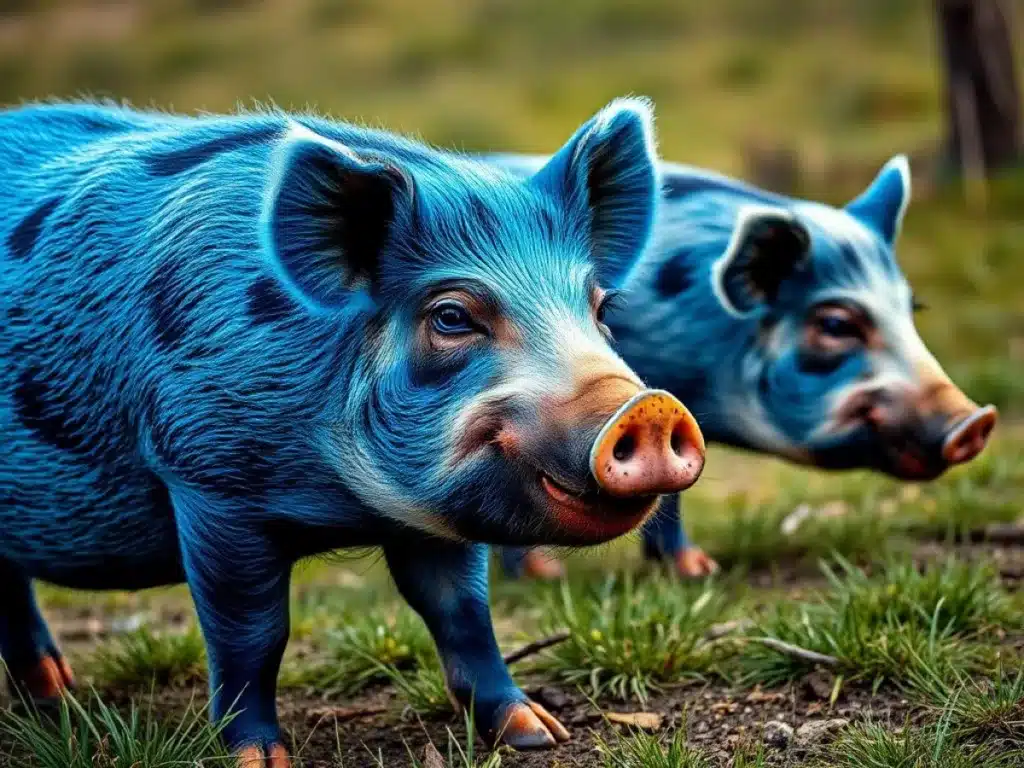
In the picturesque landscapes of Monterey County, California, an unusual phenomenon has captured the attention of wildlife experts and environmentalists alike. The normally robust wild pigs roaming this area are now displaying an unexpected and startling feature: their insides are a vivid, electric raspberry blue. This bizarre tint, reminiscent of the color we might relish in a gummy worm or a refreshing Slurpee, is the result of these animals consuming rat poison. The discovery has sparked both concern and curiosity about the implications for the local ecosystem and food safety.
Dan Burton, a seasoned wildlife control expert, stumbled upon this alarming situation in March while processing pigs trapped near Salinas. Instead of the natural pink or white one would expect from healthy muscle and fat, he found neon blue tissues, eerily similar to the hue of Cool Blue Gatorade. This startling revelation prompted immediate action, leading to a series of investigations and responses from local authorities and scientists.
Unveiling the Mystery Behind the Blue Hue
Upon further examination, it was confirmed by the California Department of Fish and Wildlife (CDFW) that the pigs had ingested significant amounts of diphacinone. This rodenticide is commonly employed by farmers to control rat and squirrel populations, crucial for protecting crops but evidently hazardous to other wildlife. Diphacinone is typically incorporated into grain bait that is intentionally dyed bright blue. This color serves as a warning to humans to avoid consumption, but unfortunately, pigs do not heed such visual cues.
The Growing Demand for Data-Driven Decision Making in Silicon Valley
He quit, ran out of money, and begged to come back — here’s how his boss reacted
How Pigs Are Exposed to Poison
The exposure routes for these wild pigs are twofold:
– Direct ingestion of bait from the stations
– Scavenging on other animals that have been poisoned
Despite the poison’s formula being too weak to kill these large animals immediately, repeated exposure has led to the accumulation of toxins in their bodies, manifesting in the blue discoloration of their tissues and rendering their meat toxic.
Broader Impacts and Human Health Risks
The implications of this contamination extend beyond the wildlife. A study conducted in 2018 revealed that more than eight percent of wild pigs in areas close to human activity tested positive for rodenticide residues. Alarmingly, even cooking does not neutralize this toxin. Consumption of the contaminated meat by humans can lead to symptoms of rodenticide poisoning, which include lethargy and severe internal bleeding.
Regulatory Responses and Future Concerns
In response to these disturbing findings, California implemented stricter regulations in 2024, restricting the use of diphacinone to certified pest control operations only. However, the legacy of widespread use may persist, posing ongoing risks. Pigs, now habituated to seeking out bait stations, may continue to be exposed to these toxins. This is particularly concerning for rural communities where hunting and consuming wild game is a common practice.
The unfolding situation in Monterey poses significant environmental, health, and ethical questions. As local authorities and scientists work to mitigate the impact, the story of California’s neon blue pigs serves as a stark reminder of the complex interconnections within ecosystems and the unforeseen consequences human actions can have on wildlife and public health.
You might also like:
- Kentucky nurse revives drunk raccoon found in dumpster using CPR
- Kingfisher lands in woman’s hand and stays 10 minutes after she asked for a sign
- Bird snuggles into photographer’s chest for warmth on snowy day
- Psychologists reveal the favorite color of highly intelligent people — and it’s unexpected
- 4 bobkittens rescued in a week undergo rehab together for return to the wild

William Anderson is a multimedia producer specializing in videos, podcasts, and interactive galleries. With five years of immersive content creation, he turns information into a rich audio‑visual experience. His storytelling skills draw you directly into the heart of every story, on any platform.

