
Show summary Hide summary
- What Jackdaw’s Reopening Actually Means for UK Gas Supply
- Rosebank: The Bigger Prize for British Energy Independence
- The Net Zero Dilemma: Domestic Cuts vs. Global Emissions
- Economic Benefits Often Overlooked: Jobs, Taxes, and Industry Growth
- Energy Security: Lessons from Norway and the Cost of Complacency
- What the Jackdaw–Rosebank Split Signals About Policy Direction
- About the author
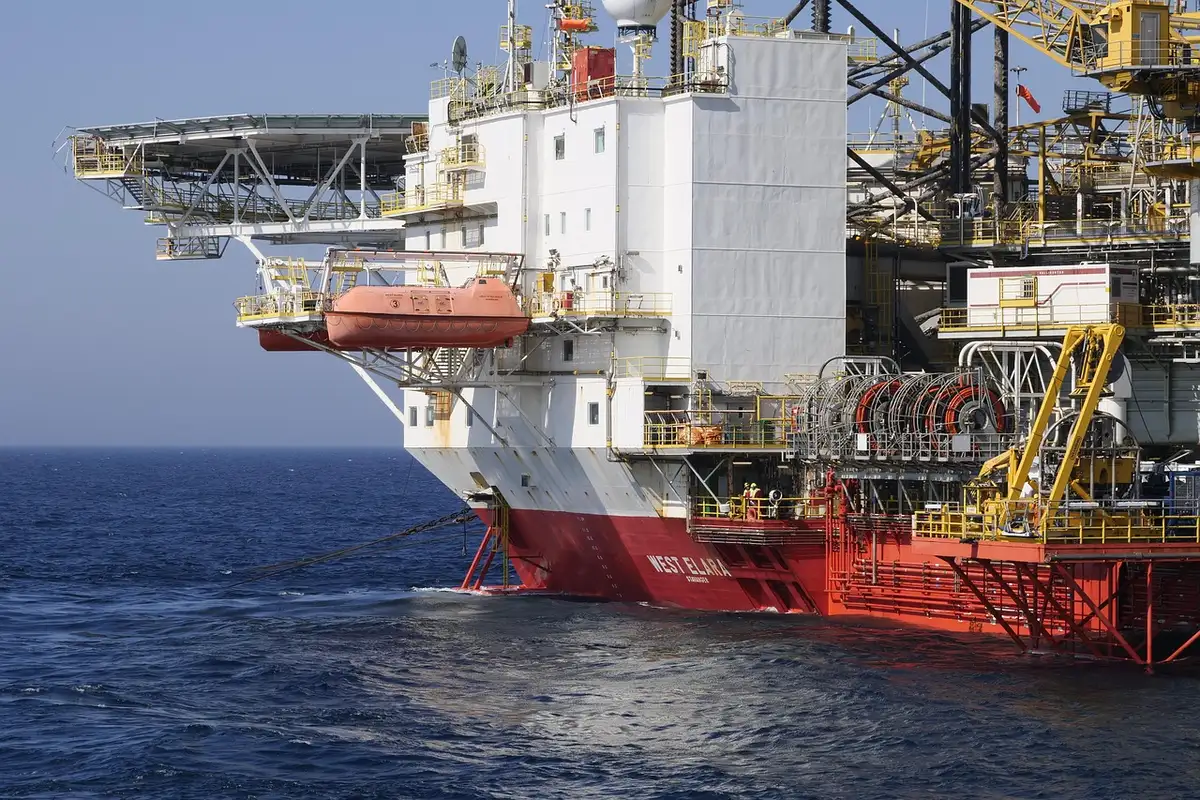
The recent decision to let the Jackdaw gas field go ahead after years of legal delays offers a welcome boost to Britain’s fragile energy picture — but it’s a partial fix. While reopening Jackdaw eases some immediate pressure, the government’s apparent refusal to greenlight the larger Rosebank development exposes an inconsistent strategy that prioritizes symbolic Net Zero commitments over practical energy security.
These choices matter. They affect jobs, tax revenue, and how vulnerable the United Kingdom will be to future supply shocks. What the government approves — and what it rejects — reveals its priorities for domestic production, climate policy, and national resilience.
What Jackdaw’s Reopening Actually Means for UK Gas Supply
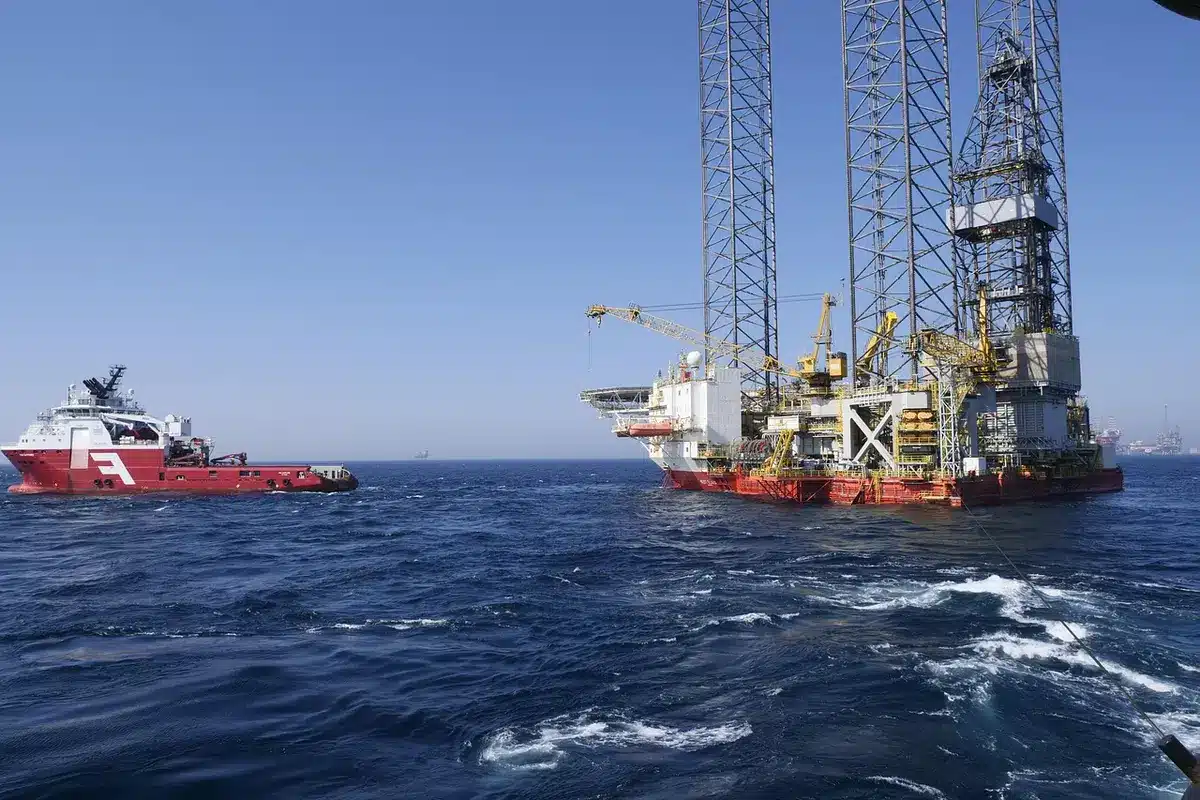
Jackdaw, located roughly 150 miles east of Aberdeen in the North Sea, has been stuck in legal limbo for years. The latest move to resume exploration and production will add domestic gas to the market — a useful development at a time when the UK relies heavily on imported fuel.
The Growing Demand for Data-Driven Decision Making in Silicon Valley
He quit, ran out of money, and begged to come back — here’s how his boss reacted
Key facts about Jackdaw:
- Estimated flow: about 200 million cubic feet of gas per day.
- Share of UK demand: roughly 2–3 percent at peak output.
- Immediate effect: a modest but tangible easing of supply pressures.
Although Jackdaw’s contribution is not transformative on its own, every increment of domestic output reduces dependence on foreign suppliers and improves short-term resilience.
Rosebank: The Bigger Prize for British Energy Independence
Rosebank, farther northwest of Jackdaw, represents a much larger potential payoff. Its projected peak oil output and estimated reserves make it materially more important to Britain’s long-term energy balance.
What makes Rosebank notable:
- Peak oil production: estimated around 69,000 barrels per day (potentially higher with further exploration).
- Estimated reserves: roughly 500 million barrels — enough to meet the UK’s oil needs for about a year and a half at current consumption rates.
- Associated gas: possible production of about 44 million cubic feet per day, a helpful supplement to domestic gas supply.
If the government limited approvals to Jackdaw while blocking Rosebank, it would be choosing a small, safe step over a larger opportunity that could significantly boost energy security and economic returns.

The Net Zero Dilemma: Domestic Cuts vs. Global Emissions
A central argument against approving new UK oil and gas projects is that extracting more fossil fuel at home undermines the country’s Net Zero targets — legally binding objectives for 2030 and 2050. But that position glosses over a crucial paradox.
The UK currently imports a large share of its energy. By reducing domestic production while continuing to consume energy at similar levels, the UK can appear to lower national emissions on paper while international emissions rise elsewhere to meet demand. In other words, exporting the carbon footprint doesn’t reduce global CO2; it simply relocates it.
- Import reliance: the UK imports a high percentage of its gas needs, which leaves the country exposed and shifts emissions abroad.
- Climate logic: true emissions reductions require cutting consumption or ensuring cleaner global production — not merely relocating extraction.
Reducing domestic output without addressing where the demand will be satisfied globally is not a sound climate strategy.
Economic Benefits Often Overlooked: Jobs, Taxes, and Industry Growth
Arguments that new North Sea projects bring no economic advantage are overly simplistic. The case for development extends beyond barrels and cubic feet: production supports local supply chains, creates skilled employment, and bolsters public finances.
Primary economic impacts:
- Employment: construction, drilling, logistics, and maintenance can generate thousands of jobs over the life of a field.
- Tax revenue: even if companies export production, earnings realized in the UK are subject to substantial taxes and levies — significant receipts for the Treasury.
- Industrial activity: local ports, shipyards, and service firms benefit, encouraging investment in regional economies.
Allowing commercially viable projects to proceed would deliver near-term fiscal benefits and help sustain energy-related expertise in Britain.
Energy Security: Lessons from Norway and the Cost of Complacency
Norway provides a clear contrast: it combines robust oil and gas output with investments in renewables and sovereign wealth management. The Norwegian model shows how a country can leverage natural resources to fund broader economic and environmental goals.
Where the UK lags:
- Production and storage: domestic gas production and storage infrastructure have been allowed to shrink, increasing vulnerability.
- Strategic coherence: Norway’s integrated approach ties production, exports, and long-term planning together; the UK has been more fragmented.
Looking north offers practical policy ideas — from maximizing domestic production where sensible to using fiscal tools to capture value for communities and future priorities.
What the Jackdaw–Rosebank Split Signals About Policy Direction
Approving Jackdaw but hesitating on Rosebank suggests the government is trying to strike a symbolic balance: deliver some domestic energy while avoiding the political heat of approving a larger oil field. That approach, however, risks being politically expedient rather than strategically coherent.
Considerations behind the split:
- Political optics vs. practicality: limited approvals can be framed as compromise, but they may leave structural problems unaddressed.
- Ideological tilt: prioritizing Net Zero optics over sensible resource management can weaken energy sovereignty and economic resilience.
- Long-term costs: foregone production means less tax revenue, fewer jobs, and greater exposure to volatile global markets.
Policy choices today shape the UK’s capacity to withstand supply disruptions and fund the transition to low-carbon alternatives in the future.
About the author
Nick Tyrone is the author of The Rise of Reform, published by Swift.
You might also like:
- UK energy crisis: practical solutions to cut bills and secure supply
- UK economy: how climate policy obsession hurt growth and jobs
- UK net zero policies threaten heavy industry and manufacturing jobs
- Africa’s largest renewable energy and storage plant powers 200,000 homes built by French firm
- Renewables project to power 6 million homes announced by sunniest, windiest country

Robert Johnson is a dedicated columnist focusing on political and social debates. With twelve years in editorial writing, he provides nuanced, well‑argued perspectives. His commentaries invite you to form your own views and engage in critical issues.

