Show summary Hide summary
- What the newborn-surname data actually shows about immigration and identity
- Why many people say they feel a sense of cultural loss
- How elites on both sides encouraged high migration
- Mental health: the medicalization of ordinary feelings and its social consequences
- Woke enclaves on the coast: Hastings as an example of modern local politics
- How the conversation about identity and policy might develop
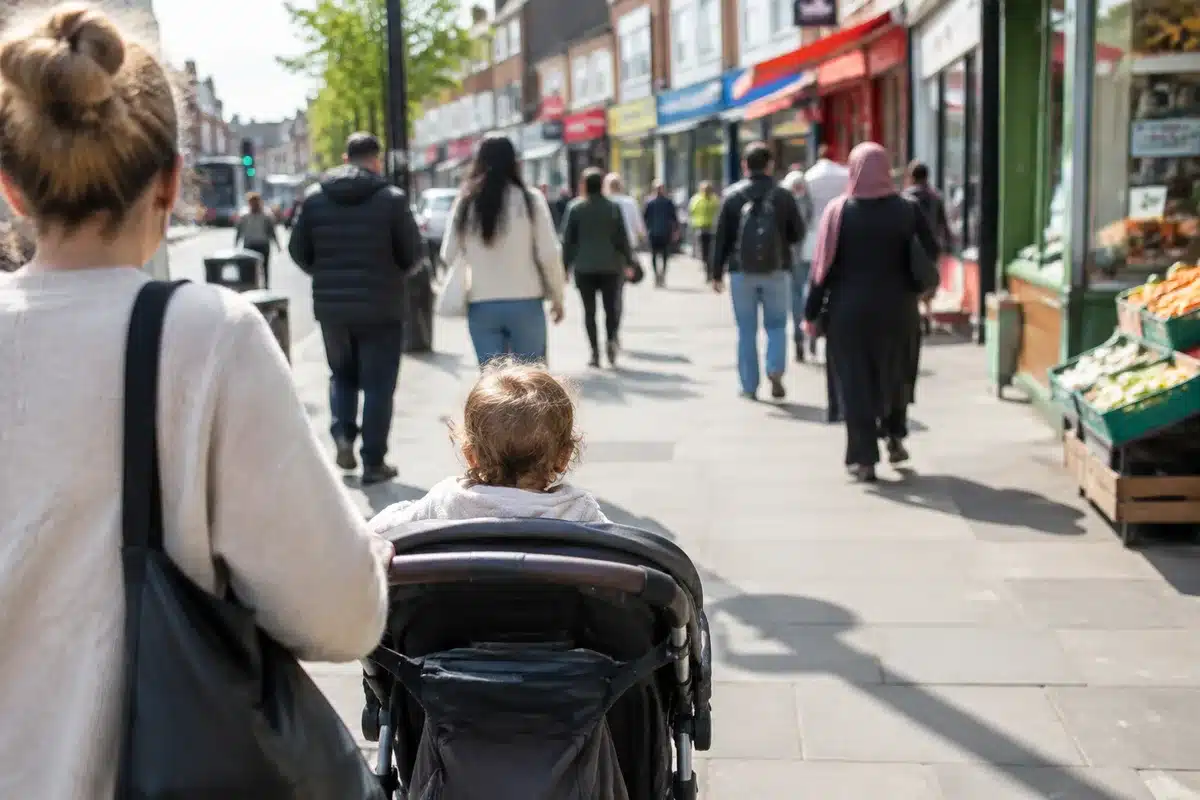
England’s changing face leapt off the page with a seemingly small piece of data: the most common surnames given to babies today look nothing like the list from three decades ago. That shift — from a roster dominated by traditional Anglo names to one where South Asian names figure prominently — has crystallized anxieties about identity, belonging and the pace of demographic change across the country.
People across generations are reacting emotionally and politically. For some it’s a sober recognition of migration’s scale; for others it feels like a loss of cultural continuity. Those reactions are shaping politics, local culture and how we talk about mental health, community and national identity.
What the newborn-surname data actually shows about immigration and identity
The Growing Demand for Data-Driven Decision Making in Silicon Valley
He quit, ran out of money, and begged to come back — here’s how his boss reacted
Recent statistics from the national statistics office comparing popular baby surnames now with those 30 years ago revealed a striking turnover. Names that dominated the mid-1990s have been joined — and in many cases displaced — by surnames of South Asian origin. While the list can be misleading because certain communities tend to share a narrower set of family names, the result is a clear signal of deeper demographic shifts.

Key facts behind the headlines
- Population flows: Roughly one in five residents in the country were born abroad, a proportion that has been rising across recent decades.
- Surname concentration: Some ethnic groups have smaller surname pools, which makes them appear more prominent in “most common name” lists.
- Regional variation: Urban centers and some coastal towns show more rapid change, while other areas remain less affected.
Viewed together, these elements explain why a simple list of baby surnames has ignited a wider debate about national character and the future makeup of communities across England and Wales.
Why many people say they feel a sense of cultural loss
The change in names taps into a broader emotional response. For a lot of people — not only older generations but also those in middle age and even younger adults — the country they knew feels altered. Media projects and documentaries that speak to people who remember earlier decades have amplified this sentiment, giving voice to fears that familiar ways of life are fading.
That feeling has political consequences. It has bolstered support for parties and movements that promise to slow or reverse the pace of change. The surge in backing for these groups after major political events shows how identity and migration have moved to the center of public debate.
Why the unease spreads across generations
- Memory and place: People often anchor identity in neighborhoods, schools and local rituals that change when immigration reshapes daily life.
- Media narratives: Documentaries and opinion pieces reinforce the sense that something irreplaceable is being lost.
- Political signaling: Parties that talk bluntly about immigration can attract voters who feel unheard or sidelined by the mainstream.
How elites on both sides encouraged high migration
Explaining the demographic shift requires looking at policy choices and incentives. Two distinct camps in public life helped create the conditions for mass movement, but for very different reasons.
- Liberal cultural elites often framed open borders and multiculturalism as moral virtues that burnished their internationalist image and progressive credentials.
- Business and economic policymakers favored easier migration because it supplied cheap labor and filled gaps in the workforce, treating people as inputs in production rather than citizens with long-term social implications.
These overlapping interests — moral signaling on one side and economic expediency on the other — helped sustain immigration trends even as their social consequences became more visible at the neighborhood level.
Mental health: the medicalization of ordinary feelings and its social consequences
Parallel to debates about migration is an argument about the mental health of young people. Recent surveys of clinicians suggest a growing concern that normal human emotions are being labeled as clinical disorders. This trend, critics argue, encourages a fragile response to inevitable setbacks and elevates sadness or worry into medical conditions.
Struggle and disappointment are normal aspects of life, and many experts warn that confusing temporary distress with chronic illness undermines resilience. Studies indicate a majority of mental-health practitioners worry about the pathologizing of everyday mental states, and cultural commentators have traced this tendency back decades.
Contributing factors to youth malaise
- Technology and social media: Constant comparison and curated realities can amplify anxiety.
- Economic uncertainty: Job prospects and housing affordability affect young people’s outlook on the future.
- Therapeutic culture: A growing tendency to medicalize normal sadness reduces opportunities for ordinary coping and moral growth.
Writers who analyzed these trends early warned that a therapeutic framing of life would make society more risk-averse and less capable of withstanding adversity. Relearning how to accept disappointment without immediately resorting to clinical labels is part of the conversation many argue we urgently need.
Woke enclaves on the coast: Hastings as an example of modern local politics
England’s cultural landscape is patchy. Coastal towns such as Hastings and the neighboring St. Leonards illustrate how progressive politics and working-class life can coexist uneasily. In some neighborhoods you’ll find murals promoting refugee welcome and municipal projects celebrating multicultural heritage; in others, the worn realities of work, poverty and social fracture persist.
Local museums, community newspapers and council compositions can turn these towns into microcosms of national debates. Hastings’ museum exhibits and street art, for instance, showcase migration narratives and activist causes, while local reporting highlights everything from arts events to anti-far-right campaigns. For residents who don’t share these priorities, the displays can feel like cultural overreach.
What these towns reveal about wider divisions
- Dispersal of metropolitan values: Progressive attitudes once associated with big cities now exist in pockets across the region.
- Social friction: Art and activism can feel celebratory to some and alienating to others living nearby.
- Political consequences: Local cultural signaling influences voting patterns and fuels broader national debates.
How the conversation about identity and policy might develop
The intersection of demographic change, political reaction and debates about mental health ensures these topics will remain central to public life. The data on baby surnames was a simple snapshot, but it opened a wider conversation about how communities change, who gets to define national identity and how society should respond to social distress without overmedicalizing it.
As voters, policymakers and cultural leaders continue to wrestle with these questions, the choices made will shape local communities and national politics for years to come.
About the author: Patrick West writes regularly for spiked and is the author of Get Over Yourself: Nietzsche for Our Times.
You might also like:
- Reform Party vs Greens exposes deep political divide
- Birth crisis: why migration can’t solve it, Stephen J. Shaw explains
- UK Labour Party risks final nail in its coffin after latest setback
- Labour party loathed by English working-class voters: why and what it means
- England protests spread nationwide as public revolt grows over government policy

Robert Johnson is a dedicated columnist focusing on political and social debates. With twelve years in editorial writing, he provides nuanced, well‑argued perspectives. His commentaries invite you to form your own views and engage in critical issues.