
Show summary Hide summary
- How volunteers uncovered an uncommon grassland fungus
- DNA evidence that confirmed the species
- What makes Clavaria calabrica special and where it thrives
- How citizen science is helping to map regional nature
- Local leaders and naturalists react to the find
- Opportunities to get involved and what to expect
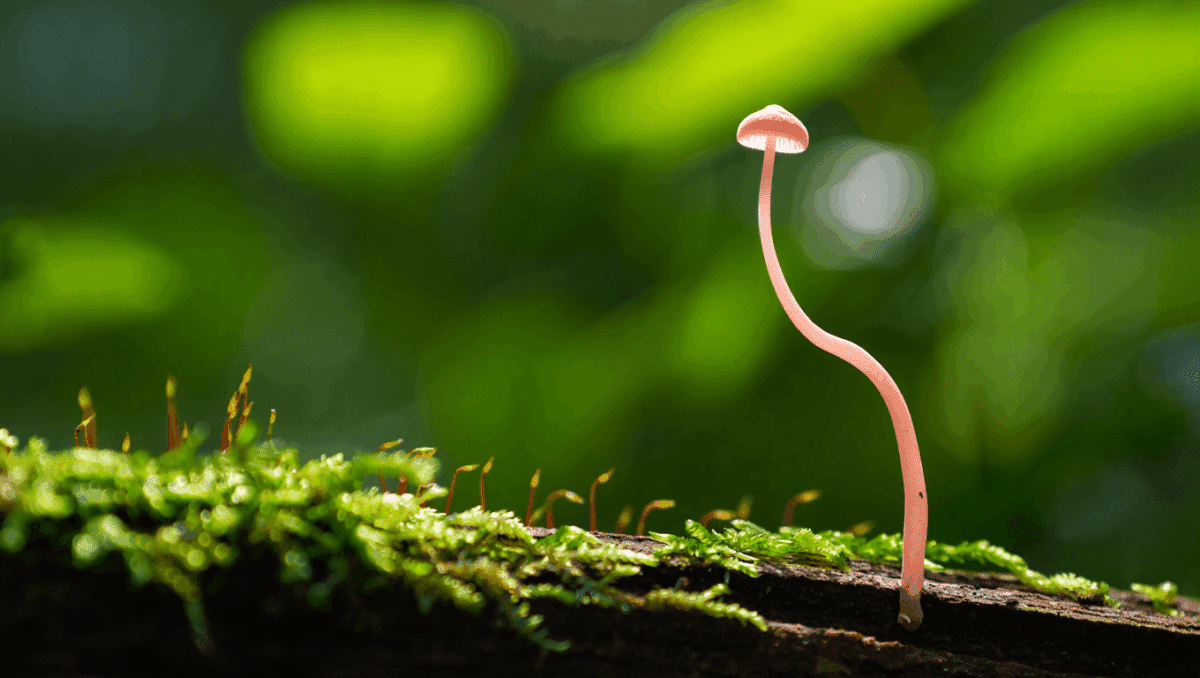
A delicate, pale-pink fungus resembling a tiny fairy club has been documented in southwest England, marking the first confirmed sighting of this species on mainland Great Britain. The discovery, made during a local mushroom survey, required DNA work across three parts of the UK before experts could verify the identification.
What began as a routine field visit turned into a notable find for regional biodiversity watchers, offering fresh evidence that carefully managed grasslands can harbor surprising and internationally rare species.
How volunteers uncovered an uncommon grassland fungus
The Growing Demand for Data-Driven Decision Making in Silicon Valley
He quit, ran out of money, and begged to come back — here’s how his boss reacted
A team of Naturewatch volunteers from the Somer Valley Rediscovered project spotted the unusual fungus while surveying a patch of wildlife-rich grassland last autumn. At roughly the size of a tennis ball, its soft pink color stood out against the greens and browns of the turf, prompting the group to collect specimens for closer study.
The find came from a coordinated, community-driven effort aimed at recording and improving local biodiversity. People involved in these field trips are trained to note habitat conditions and collect samples in ways that preserve DNA for laboratory work—measures that proved vital for getting a definitive identification.
DNA evidence that confirmed the species
Because several coral- or club-shaped fungi can look very similar, visual inspection alone was not enough to confirm the identity. Specialists extracted DNA from the collected material in a Scottish laboratory and then sent the samples to the University of Aberystwyth in Wales for sequencing. The genetic results matched the fungus to Clavaria calabrica, a species first described in Italy.
This marks the first verified record of the species in mainland Britain, though related observations have been reported in Northern Ireland. The cross-country lab work—field collection in England, extraction in Scotland, and sequencing in Wales—underscored the collaborative nature of modern species identification.
What makes Clavaria calabrica special and where it thrives
Clavaria calabrica belongs to a loosely grouped set of fungi often called fairy clubs or coral fungi. It favors grasslands that have been gently managed over long periods—places that are not heavily fertilized or plowed and that retain a diversity of plants and insects.
- Habitat preference: Species-rich, low-intensity grasslands, often with a history of traditional grazing or mowing.
- Conservation value: These grasslands support a wide range of wildlife and are hotspots for specialized fungi and invertebrates.
- Rarity: Newly described from Italy in 2017, the species is still considered unusual across much of Europe.
How citizen science is helping to map regional nature
The discovery was made under the umbrella of Somer Valley Rediscovered, a partnership that connects local councils, volunteers, and ecologists to restore and document green spaces. Efforts like this feed into larger monitoring projects across the West of England.
Ways volunteers contribute
- Counting bees, butterflies and other pollinators at fixed monitoring sites
- Recording plant species and habitat condition
- Joining seasonal fungus and bird counts to track changes over time
These contributions are collated in the West of England Wildlife Index, a citizen science program that monitors wildlife at around 20 sites and feeds data into the region’s State of Nature reporting. Participants receive training and support from local ecologists to ensure observations are robust and useful for conservation planning.
Local leaders and naturalists react to the find
Local naturalists and civic leaders hailed the event as evidence of the area’s ecological richness. One field lead described the sighting as an “exceptional record” and emphasized the responsibility to protect the habitats that support such rare organisms. Regional officials highlighted the role of the West of England Nature Partnership in raising awareness and coordinating monitoring work.
Those involved urged residents to take part in ongoing surveys and monitoring programs to help build a more complete picture of biodiversity across urban and rural landscapes. By increasing local participation, project organizers hope to spot more unusual species and better safeguard the habitats on which they rely.
Opportunities to get involved and what to expect
People interested in volunteering can expect guided sessions and clear instructions on how to make useful records. Typical activities include:
- Attending short workshops or guided field days to learn identification basics.
- Helping with repeat surveys at matched monitoring sites to track trends.
- Submitting sightings and photographs to project databases or national recording schemes.
Engaging with these programs not only helps researchers—it also gives communities a direct role in conserving the special grassland habitats where species like Clavaria calabrica can thrive.
You might also like:
- 10,000 species recorded in UK nature reserve: wasp-like moth helps reach milestone
- World’s first giant anteater reintroduction in Brazil shows early success
- Azerbaijan bison rebound: 25 wild calves born in seven-year recovery from one surviving male
- Underground fungal networks cover 62 quadrillion miles, scientists find
- Tortoiseshell butterfly recolonizes England decades after Dutch elm disease

Michael Thompson is an experienced journalist covering U.S. and global news. With ten years on the front lines, he breaks down political and economic stories that matter. His precise writing and keen attention to detail help you grasp the real‑world impact of every event.


I remember stumbling upon a funky mushroom in the woods once, thought it was magic! This pink fairy club fungus sounds like something out of a fairy tale. Natures full of surprises, aint it?
I remember my mate once raving bout this funky pink fairy club fungus. Thought he was pulling my leg! Now, seeing its real, I gotta give him credit. Natures full of surprises, innit?
I remember the time I stumbled upon a funky-looking fungus in my backyard. Turns out it wasnt as rare as this pink fairy club fungus, but hey, nature always has surprises up its sleeve!
I remember stumbling upon a pink fairy club fungus while hiking in the woods. It felt like finding a hidden treasure! Nature is full of surprises, aint it? Exciting to see citizen science uncovering rare species like this.
Dude, sounds like you hit the nature jackpot! Finding a pink fairy club fungus is like winning the wilderness lottery. Its wild how much epic stuff lurks out there, right? Natures got all these tricks up its sleeve, just waiting to blow our minds. Stoked for the citizen science hustle, unearthing those rare gems one mushroom at a time. Keep the surprises coming, Mother Nature!
Mate, imagine stumbling upon a pink fairy club fungus! Sounds like something out of a fantasy novel. Natures full of surprises. Kudos to those volunteers uncovering hidden gems like Clavaria calabrica. Cheers to citizen science!
Oh, mate, aint that a rare find! Pink fairy club fungus? Sounds like something outta a fairytale book! Good on them volunteers for uncovering this gem. Nature never ceases to surprise!
Mate, I swear I thought Id seen it all, but a pink fairy club fungus? In the UK? Thats wild! Natures always full of surprises, innit? Who knew there were magical mushrooms hiding in our backyard!
I remember spotting the pink fairy club fungus on a hike once. Like finding a secret world in the woods. Natures full of surprises if we take the time to look. Cheers to the volunteers uncovering these hidden gems!
I remember when I stumbled upon a funky fungus in my garden! Who knew those pink fairy club fungi were real? Natures full of surprises. Cant wait to learn more about Clavaria calabrica and its mysterious ways!
Pink fairy club fungus? Sounds like a rave in the woods! But seriously, cool find in the UK. Nature never stops surprising us, huh? Cant wait to see what other funky species citizen science uncovers next.
Oh, mate, the Pink Fairy Club Fungus, sounds like a trippy name for a fungus, innit? Found in the UK now, eh? Imagine stumbling upon that in the wild, like finding a fairys secret party spot!