
Show summary Hide summary
- How the researchers measured bear health and sea-ice change
- Key findings: fatter bears despite less ice
- Why might Svalbard bears be doing better?
- Regional context: warming in the Barents Sea and population size
- Limits to the positive trend and what scientists caution
- Next steps researchers want to see
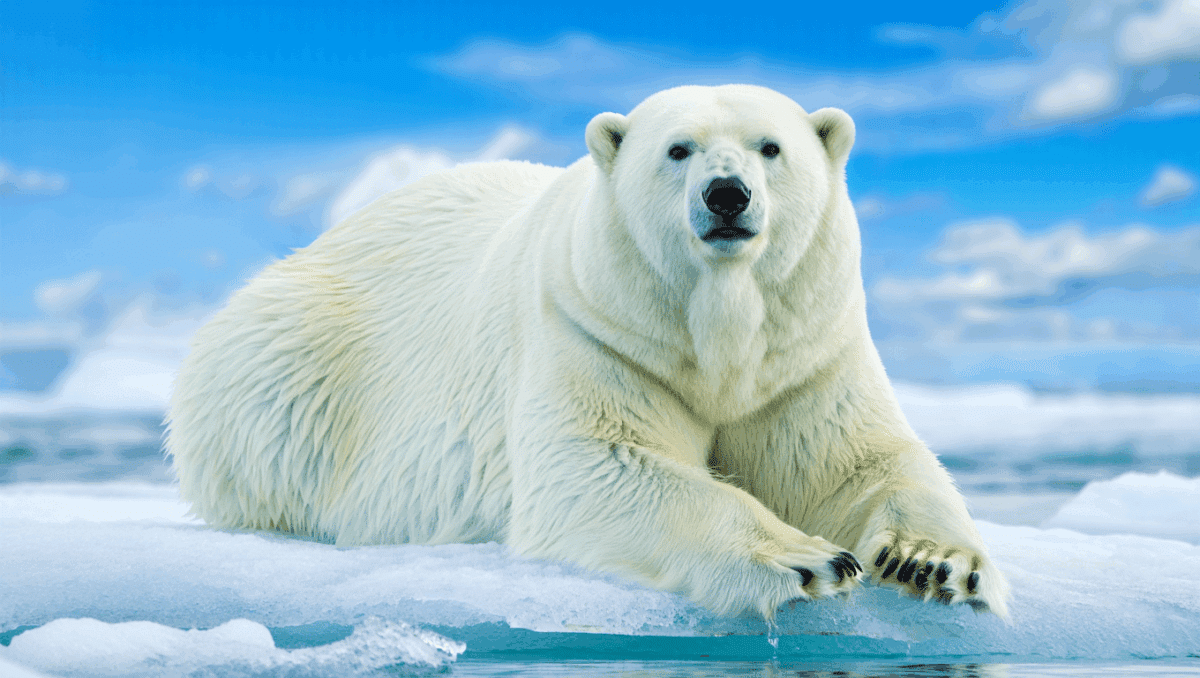
Polar bears around the Svalbard archipelago are, surprisingly, in better physical condition today than they were a quarter-century ago — despite a sharp decline in Arctic sea ice. A new peer-reviewed analysis of nearly three decades of field measurements found adult bears in the region have gained body fat on average, a finding that runs counter to the widespread narrative of uniform Arctic decline.
Scientists behind the study say the result was unexpected and points to complex local dynamics: warming seas and shrinking ice are reshaping where prey lives and how bears hunt, and other ecological changes on land are also playing a role. The research, published in Scientific Reports, draws on extensive field records and offers a nuanced look at how one polar bear population is coping with climate-driven change.
How the researchers measured bear health and sea-ice change
The Growing Demand for Data-Driven Decision Making in Silicon Valley
He quit, ran out of money, and begged to come back — here’s how his boss reacted
The team analyzed physical measurements taken from 770 adult polar bears between 1992 and 2019, totaling 1,188 records. Researchers used a body composition index (BCI) derived from standard tape measures and body metrics to estimate fat reserves and overall condition. This index served as the primary indicator of nutritional status across the study period.
At the same time, scientists quantified sea-ice trends by counting the number of ice-free days in the Barents Sea region around Svalbard for each year. Over the 27-year window, the area experienced roughly 100 more ice-free days — an average rise of about four additional ice-free days per year.
Key findings: fatter bears despite less ice
Contrary to expectations, the mean BCI of adult Svalbard polar bears rose after about the year 2000. In other words, **fat reserves increased on average even as the sea-ice season shortened**. The authors flagged this outcome as surprising because sea ice traditionally provides the platform from which polar bears hunt seals, their primary prey.
- Data set: 770 adult bears, 1,188 body-measurement records (1992–2019).
- Sea-ice trend: about 100 more ice-free days over the study period (≈4 days/year).
- Outcome: average BCI increased post-2000, suggesting improved body condition despite declining ice.
Why might Svalbard bears be doing better?
Researchers propose several mechanisms that could explain why polar bears in this region appear relatively robust today. These are not mutually exclusive and likely interact.
Recovering land prey populations
Historical overhunting and human disturbance had depleted some coastal species that polar bears exploit when on land. As reindeer and walrus populations have rebounded in parts of the region, those land-based food sources may now provide more reliable supplemental nutrition for bears during ice-free periods.
Concentration of marine prey on shrinking ice
Loss of broad, stable sea-ice may compress marine prey—such as ringed seals—onto smaller remaining floes or coastal fast ice. That aggregation could increase hunting success for bears that can access those patches, boosting caloric intake even as the hunting season becomes shorter.
Behavioral and ecological shifts
Other factors likely contribute, including changes in bear movements, altered timing of seal pupping, and reduced human hunting pressure in some areas. Together these shifts can reshape predator-prey dynamics in ways that temporarily favor bear condition.
Regional context: warming in the Barents Sea and population size
The Barents Sea around Svalbard has warmed substantially in recent decades — documented increases of roughly two degrees Celsius per decade in some analyses since the 1980s. Yet population surveys tell a mixed story. A 2004 census estimated the local polar bear population at approximately 2,650 animals, and evidence so far does not show a clear, large-scale decline in that specific population.
Those stable headcounts add context to the body-condition results: if bears are maintaining or improving fat stores, that could support continued survival and reproduction in the short term. Still, regional warming remains a strong driver of ecosystem change.
Limits to the positive trend and what scientists caution
Authors stress that the observed improvement in body condition may not be durable. As sea ice continues to shrink and change in character, bears could face longer swims, greater travel distances, and reduced access to reliable hunting platforms. Those shifts would likely increase energetic costs and could reverse current gains in condition.
- Risk of future declines: Additional ice loss may force bears to travel farther for food, reducing hunting efficiency.
- Local vs. Arctic-wide patterns: Svalbard trends may not apply across all polar bear populations; some subpopulations are declining.
- Need for more data: Long-term monitoring across regions and age classes is essential to understand population trajectories.
Next steps researchers want to see
Scientists call for expanded monitoring that pairs body-condition measures with tracking of sea-ice distribution, prey abundance, and bear movement. Improved ecological models can help predict whether current benefits are a temporary consequence of shifting prey distributions or a short-lived respite before more severe impacts of climate warming emerge.
The study highlights the complexity of ecological responses to climate change and underscores that not all outcomes are straightforward—some populations may show resilience or short-term improvement even as the larger system moves toward warming-driven instability.
You might also like:
- Polar bear photographed with rare adopted cub in the wild
- Can you spot the polar bear in under 15 seconds? This illusion is a real challenge
- Megaraptor fossil found with ancient crocodile in its mouth
- Antarctica snowfall mystery solved: scientists pinpoint cause of 695 billion tons of ice
- Great white shark teeth: science explains why they’re replaced constantly

Michael Thompson is an experienced journalist covering U.S. and global news. With ten years on the front lines, he breaks down political and economic stories that matter. His precise writing and keen attention to detail help you grasp the real‑world impact of every event.


Man, those polar bears are tougher than I thought! Less ice, more chunky bears – whats their secret? Maybe theyre secretly hitting the gym while were all fussing about climate change. Go bears!
Man, polar bears aint playing around! Despite the melting ice, theyre out here thriving. Its like theyre hitting the gym and bulking up for the summer. Natures full of surprises, aint it?
Yo, totally feel you on that! Polar bears out here flexin like they own the place, huh? Its wild how they adapt to whatever Mother Nature throws at em. Maybe we can all take a page outta their book and hustle through lifes curveballs like those bad boys do. Natures the ultimate gym, I guess!
Man, these polar bears are the real MVPs, getting chonky despite less ice. Natures like, You cant stop us! Maybe we should take notes from these fluffy bosses on resilience, yknow?
Man, these polar bears are tougher than a five-day-old sandwich! Whod have thought theyd be thriving despite the melting ice? Natures full of surprises, aint it? Maybe theyre onto some new diet trend we dont know about!
Man, these polar bears are like the ultimate survivors, huh? Its wild how theyre getting chonkier despite the shrinking ice. Mother Natures full of surprises, I tell ya. Maybe theyre onto some secret bear yoga routine or something.
Yo, right?! Its like these bears are on some next-level hustle to stay thicc despite the melting ice. Bear yoga, man, who wouldve thought? Mother Natures out here dropping plot twists like its a reality show. Maybe we should all start doing some bear poses to stay in shape!
Man, I remember hearing all that fuss about polar bears back in the day. Surprised to hear theyre actually doing better now. Maybe theyre secretly having polar bear parties on that melting ice!
Man, I totally feel you on that! Polar bears throwing ice parties — now thats an image! Who knows, maybe theyve got a DJ penguin spinning records on an iceberg. Its wild how things can turn around, huh? Mother Natures full of surprises!
Man, these polar bears are like the OG survivors, huh? Despite the whole melting-ice drama, theyre out there getting thiccer and healthier. Natures way of flexing on climate change, I guess.
For real, those polar bears are straight-up thriving in the face of all this climate chaos. Its like theyre giving Mother Nature a fist bump and saying, We got this, fam! Who knew theyd be the ultimate flex on global warming, right? Just out there, living their best life, getting thicker and healthier while the ice melts around them. Talk about some serious resilience. Keep doing you, polar bears!
Man, I remember readin about polar bears ages ago, worried sick bout em. Now this study drops sayin theyre actually healthier? Lifes full of surprises, aint it? Maybe theres hope for us all after all.
Man, these polar bears are like the ultimate survivors, huh? Theyre out here gettin chubbier despite less ice to chill on. Natures really out there flexin its adaptation skills!
Man, these polar bears are like the OG survivors, huh? Less ice, more chunky bears. Natures just out there flexing on us, proving it can adapt and thrive. Maybe we should take notes, just saying.
Yo, for real! Polar bears out here like ‘We been through it all, man.’ Chunky bears hitting the scene, embracing the less-icy vibes. Nature flexing its adaptation skills like Whats up, humans? Maybe we should take a page from their survival book, you know?
Man, these polar bears are like the OG survivors, thriving despite the melting ice! Natures full of surprises, aint it? Who wouldve thought theyd be packing on the pounds while the ice is giving them the cold shoulder? Mother Nature works in mysterious ways, I guess.
Man, these polar bears are tough cookies! Who wouldve thought theyd be chunkier despite the melting ice? Natures full of surprises. Maybe we humans should take a leaf from their book and adapt like these resilient bears!
Man, can you believe those polar bears? Theyre out there thriving despite the ice melting like crazy. Its like theyre saying, Global warming? Hold my seal. Natures full of surprises, aint it?