
Show summary Hide summary
- Sentence, charges and immediate fallout
- How his public image shifted—and why defenders pushed back
- Timeline that complicates the conspiracy narrative
- Political allies, admissions and the cost of influence
- What the verdict means for survivors and for public discourse
- Legal ripple effects and continuing investigations
Russell Brand has been sentenced to prison after a jury found him guilty in a high-profile sexual assault and rape case. The former entertainer’s fall from fame has sparked fierce debate: some see a long-overdue reckoning, while others insist the verdict is part of a wider conspiracy to silence a controversial public figure.
The case has exposed uncomfortable questions about how the entertainment industry and parts of the political left and right responded to Brand for years—sometimes with complicity, sometimes with denial. As the headlines settle, the core of the story remains the same: victims who came forward and a justice system that reached a verdict based on evidence.
Sentence, charges and immediate fallout
The Growing Demand for Data-Driven Decision Making in Silicon Valley
He quit, ran out of money, and begged to come back — here’s how his boss reacted
Brand was sentenced to 10 years and six months in prison after being convicted on multiple counts, including three counts of sexual assault and one count of rape. The court’s decision followed a trial that examined allegations spanning several incidents and years.
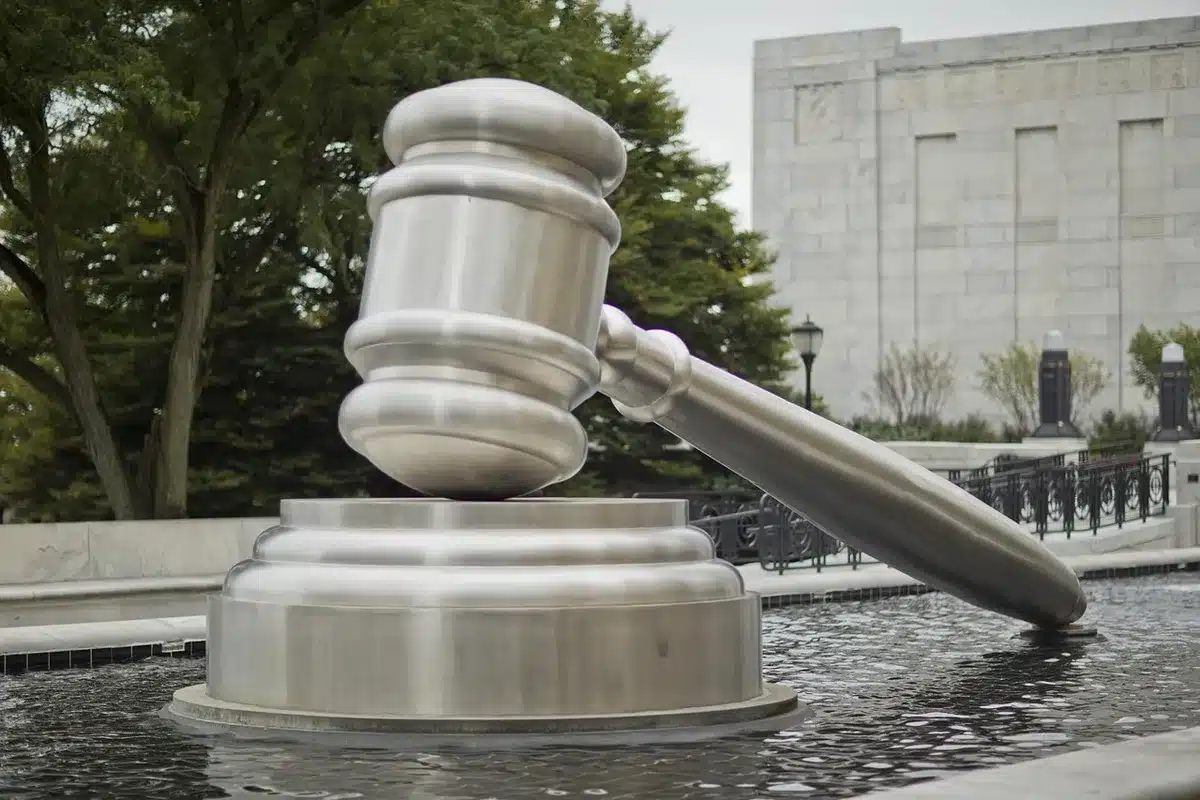
The ruling has prompted renewed media scrutiny and additional police inquiries. Prosecutors say other allegations are under investigation, and the legal repercussions for Brand may continue as authorities pursue any further credible claims.
How his public image shifted—and why defenders pushed back
Once known primarily as a comedian and actor, Brand reinvented himself in recent years as a provocateur and social commentator. His YouTube channel became a platform for contrarian takes, mixing spiritual musings, anti-establishment critiques, and conspiracy-minded commentary.
- Topics frequently covered included Covid-related skepticism, vaccine concerns, accusations about prominent philanthropists, the conflict in Ukraine, and institutions such as the World Economic Forum.
- He cultivated an audience that welcomed his “questioning” approach and, by some accounts, embraced him when mainstream outlets won’t.
- In 2024 Brand publicly aligned himself with segments of the American Christian right, a move that brought new allies—and new controversy.
When the criminal charges became public, a vocal faction on the far right argued the accusations were fabricated by an amorphous “establishment” intent on silencing him. Social media posts and commentary framed the case as political persecution rather than a criminal matter to be decided in court.
Timeline that complicates the conspiracy narrative
Several facts undermine the idea that Brand’s prosecution was a reaction to his ideological pivot. Investigative reporting into the allegations began years earlier—well before his 2024 conversion and his most conspicuous turn toward conservative audiences.

- 2019: News outlets started examining claims against Brand, initiating inquiries that would later inform police investigations.
- 2020–2024: Brand amplified contrarian content on YouTube, building a base of followers who distrusted mainstream reporting.
- April 2025: Formal charges were made public, triggering intense debate and an outpouring of conspiracy-driven defenses.
- Trial and sentencing followed, culminating in the current prison term.
The chronology suggests the allegations and the public reporting on them predated Brand’s later media strategy. That sequence makes it difficult to conclude the prosecution was simply a reaction to his outspoken views.
Political allies, admissions and the cost of influence
Some public figures who once embraced Brand have since acknowledged missteps. A prominent left-leaning commentator admitted publicly that, in pursuit of a larger audience, he had been willing to ignore warning signs about Brand’s behavior. That kind of admission matters because it shows how celebrity and reach can shift moral calculations.
On the right, certain commentators reacted predictably by framing the case as proof of institutional persecution. One hard-right pundit asked rhetorically on social media whether anyone who challenges the “deep state” is suddenly labeled a criminal—an argument that collapses under the weight of documented investigation and courtroom evidence.
Hypocrisy and selective outrage
There’s a notable contradiction in some of Brand’s defenses. Many on the crank right decry a supposed culture of abuse among “liberal elites” and claim to champion the protection of vulnerable people. Yet when an accused abuser is someone they admire, a portion of that same audience dismisses the accusers and attacks the justice system instead.
That selective skepticism—priors that shield favored figures and vilify institutions—has real consequences for victims. When survivors step forward, they face the ruinous public scrutiny of trial and media glare; their credibility is too often contested by conspiracy-minded supporters of the accused.
What the verdict means for survivors and for public discourse
At the center of the legal proceedings were the people who said they were harmed. Their courage to report abuse and participate in a demanding legal process resulted in a conviction. Many observers say the focus should remain on the accounts of those victims rather than on speculative theories about motives behind the prosecution.
The Brand case also highlights how celebrity can both obscure and enable behavior. High-profile personalities can attract friends, allies, and enablers who prioritize influence over accountability. That dynamic played out here, with some defenders quick to cast doubt on complainants and others gradually acknowledging they had overlooked warning signs.
Legal ripple effects and continuing investigations
Officials have indicated that the matter is not necessarily closed. Additional allegations are under review, and law enforcement agencies may pursue further charges if new evidence merits them. Victim services and advocacy groups are watching the developments closely, urging authorities to follow all credible leads.
For now, Brand is serving a multi-year prison sentence, and the legal system has rendered a judgment based on testimony and evidence presented at trial. The broader cultural arguments about media, power, and conspiracy will continue to swirl in public debate, but the criminal process has reached its conclusion on these specific charges.
Stephen Knight hosts the Godless Spellchecker podcast and the Knight Tube. Follow him on X: @GSpellchecker.
You might also like:
- Diddy guilty on two counts, acquitted of most serious charges: what happens next?
- Palestinianism critics warn it threatens free speech and reshapes Middle East politics
- Emmanuel Clase, Luis Ortiz face prison after pitch-fixing scandal
- Lucy Letby defenders vow they will never give in
- Manchester Airport brawlers: did they escape arrest?

Robert Johnson is a dedicated columnist focusing on political and social debates. With twelve years in editorial writing, he provides nuanced, well‑argued perspectives. His commentaries invite you to form your own views and engage in critical issues.

