
Show summary Hide summary
- How a traditional weave became a modern ocean filter
- Lab tests at the University of Hawaiʻi: microbes doing the heavy lifting
- Genetic surprises: possible new fungal species
- Award wins, scholarships and the road to the international fair
- Mentors and what the discovery means for Hawaiʻi science
- Why this finding could matter for ocean cleanup strategies
- Next steps for research and competition preparation
A high school senior in East Honolulu has turned coconut waste into a potential tool for cleaning polluted ocean water — and her work is earning big honors. Using a woven filter inspired by Polynesian craft traditions and experiments run in a university lab, Vera Wang discovered fungi in coconut husks that can break down sunscreen chemicals and microplastics, a finding that propelled her to top prizes at the Hawaiʻi State Science & Engineering Fair and a spot at the international competition next year.
Wang’s project blends traditional materials, hands-on engineering and modern microbiology. What began as a sustainable filtering prototype evolved into a deeper investigation of the microorganisms living in coconut fiber — and revealed surprising biological activity that could reshape approaches to coastal pollution.
The Growing Demand for Data-Driven Decision Making in Silicon Valley
He quit, ran out of money, and begged to come back — here’s how his boss reacted
How a traditional weave became a modern ocean filter
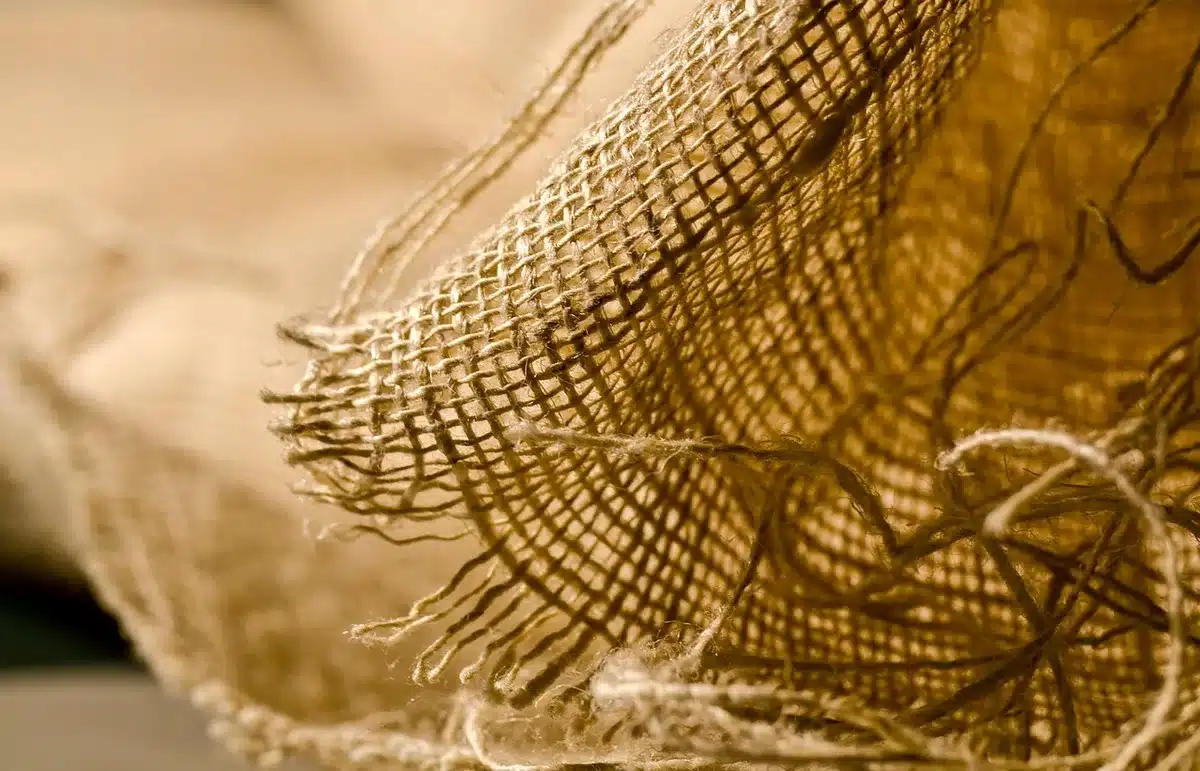
Wang first built a surface-water filter modeled on Polynesian weaving techniques. The design used leftover coconut husk — a byproduct of local agriculture — to trap floating sunscreen residue and tiny plastic fragments. The filter was intentionally low-tech and low-waste: every component came from coconut processing leftovers, so the device itself aligned with circular-economy principles.
- Design inspiration: traditional Polynesian weaving patterns that optimize porosity and flow.
- Material choice: coconut coir and husk fibers repurposed from agricultural waste.
- Function: capture of sunscreens and microplastics from surface water, with attention to environmental footprint.
Building the prototype revealed another hurdle: collecting pollutants is one thing, but disposing of them responsibly is another. That question pushed Wang to investigate the biological life living in the filter material itself.

Lab tests at the University of Hawaiʻi: microbes doing the heavy lifting
Wang carried her work into Anthony Amend’s lab at the University of Hawaiʻi at Mānoa, where she collaborated closely with marine biology graduate student Kaylee Christensen. There, she shifted focus from mechanical capture to biological degradation — asking whether organisms already living on coconut husks could break down the contaminants the filter trapped.
What the team looked for and how they tested it
The researchers sampled fungal communities from coconut fiber and exposed them to common sunscreen compounds and microplastic media under controlled conditions. They tracked growth, measured degradation, and experimented with biochemical indicators to pinpoint organisms capable of breaking down pollutants.
- Exposure experiments to assess whether fungi could metabolize sunscreen ingredients.
- Microplastic degradation trials to observe structural or chemical breakdown over time.
- Use of tannin-based tests to screen for organisms that actively degrade these materials.
Key scientific clues: tannins, pores and microbial hotspots
Wang found that the porous structure of coconut fiber supports airflow and water movement, creating niches where microbes thrive. The fibers also contain tannins — plant compounds that appeared to correlate with the presence and activity of pollutant-degrading fungi. Using tannin-based indicators helped the team identify candidate strains more quickly.
Genetic surprises: possible new fungal species
Genetic sequencing of the fungal isolates produced an unexpected result: several organisms did not match any entries in major global gene and genome databases. That means some of the fungi may be previously uncharacterized species, a discovery that opens new avenues for both basic science and applied biodegradation research.
- Sequencing revealed unmatched genetic profiles in multiple isolates.
- Uncharacterized strains suggest new metabolic pathways could be present.
- Further taxonomic work will be needed to confirm and name any novel species.
Award wins, scholarships and the road to the international fair
Wang’s project earned significant recognition at the state level. Among the honors were first place in the Microbiology category and a scholarship from the McInerny Foundation. Her performance has qualified her to present at the International Science & Engineering Fair (ISEF) next May in Arizona.
- 1st place — Microbiology.
- McInerny Foundation scholarship.
- Qualification to compete at ISEF in Arizona next May.
“I am so grateful to have been given the opportunity to pursue my project in the Amend Lab,” Wang said, acknowledging the mentorship she received while developing and expanding her research.
Mentors and what the discovery means for Hawaiʻi science
Faculty and graduate students at the School of Ocean and Earth Science and Technology (SOEST) praised Wang’s initiative and the educational pipeline that supported her work. Anthony Amend, based in the Pacific Biosciences Research Center, highlighted the broader significance of student-driven research.
“This work was made possible because of Vera’s vision, and it gives me such optimism about the future of science in Hawaiʻi,” Amend said, noting the role of local public schools in preparing students for research careers.
Why this finding could matter for ocean cleanup strategies
The combination of a biodegradable-friendly filter made from coconut waste and fungi capable of breaking down pollutants presents a potentially scalable, low-cost approach to reducing coastal contaminants. Practical implications include:
- Reducing reliance on synthetic filtration materials by repurposing coconut byproducts.
- Leveraging native or naturally occurring microbes to biodegrade persistent chemicals.
- Designing disposal workflows that use biodegradation rather than landfilling or incineration.
Researchers caution that more work is needed to assess degradation rates, byproducts of microbial breakdown, and ecological safety before field-scale deployment. Still, the early results point toward an approach that combines indigenous materials knowledge, microbiology and sustainable engineering.
Next steps for research and competition preparation
Wang and her collaborators are planning further experiments to quantify degradation efficiency, identify active enzymes, and isolate the most promising fungal strains for follow-up study. They also intend to continue genetic analyses to properly classify any novel organisms discovered.
- Scale-up trials to test filter performance in real-world conditions.
- Biochemical assays to identify enzymes responsible for sunscreen and plastic breakdown.
- Taxonomic and ecological studies to document and name potential new species.
She will present this evolving work at the international fair next spring, a stage that could attract additional collaborators and funding for moving the concept from the lab toward practical field applications.
You might also like:
- China’s ‘Bulldozer Hero’: Brave Man Rescues 100+ Neighbors Amidst Beijing Floods
- Meteorites mined for precious metals on the International Space Station
- Ocean plastic cleanup: phone case brand builds autonomous floating collection platform
- Native Hawaiians not primary cause of bird extinctions, study finds
- French Polynesia protects a biodiverse marine reserve twice the size of Arizona teeming with life

Michael Thompson is an experienced journalist covering U.S. and global news. With ten years on the front lines, he breaks down political and economic stories that matter. His precise writing and keen attention to detail help you grasp the real‑world impact of every event.


Dude, this teens onto something big! Who knew coconut fungi could be the next eco-hero? Time to rethink sunscreen and plastic, man. Science fairs just got a whole lot cooler!
Whoa, dude, totally mind-blowing! Coconut fungi as the eco-hero? Talk about a plot twist in the science fair saga. I guess sunscreen and plastic better watch their backs now, huh? Natures got some tricks up its sleeve, man!
Wait, a teen cracked the code on ocean cleanup with coconut fungi? Thats wild! Science fairs in my day were all about baking soda volcanoes. Kids these days are out here saving the world. Kudos to that young inventor!
Dude, imagine finding out a random teen cracked the code on eco-filters at a science fair! Who needs Avengers when we got real-life heroes making waves with coconut fungi? Natures the real MVP here.
Man, I remember when my science fair project was about comparing different types of slime… This teens out here revolutionizing ocean cleanup with coconut fungi! Makes me feel like I need to step up my game next time.
Dude, that teen is like a modern-day superhero! Filtering plastic with coconut fungi? Thats some next-level stuff. Forget capes, give that kid a lab coat and a high-five. Science fair goals, man!
Yo, for real! That teen is like a legit superhero with those coconut fungi skills. Forget the cape, hand that kid a lab coat, and high-five them straight to science fair stardom. Innovation level: off the charts!
I remember my science fair project, a total flop! This teen nailed it with coconut fungi filtering plastic and sunscreen from the ocean. How cool is that? Science is wild, man.
Dude, this teen is like the Indiana Jones of science fairs, but instead of hunting treasure, shes out there saving the oceans from plastic junk! Who needs superheroes when you got coconut fungi on the case?
Imagine finding out that a teen cracked the code for ocean cleanup! This coconut fungi thing got me rethinking my science fair volcano project. Time to step up my game!
Dang, this teen is on fire! Who knew coconut fungi could be heroes against plastic? Science fair champ, huh? Maybe I should stop munching on coconut chips and start saving the planet too.
Dude, I was snacking on coconut chips too while this teen was stealing the show with some fungi magic! Who knew, right? Maybe we should all swap our snacks for science projects. Could you imagine a world saved by coconut fungi? Crazy stuff, man.
Man, this teen is onto something big! Who knew coconut fungi could be the key to cleaning up our oceans? Maybe I shouldve paid more attention in science class… Props to them for making a real impact at such a young age.
Dude, this teens onto something huge! I mean, filtering plastic and sunscreen from the ocean with coconut fungi? Thats like some superhero-level stuff. Where do I sign up to join this science fair-winning squad?
Yo, this is some real-life Avengers action, right? Who knew Mother Nature had her own team of superheroes fighting pollution! Im with you, man, sign me up for that eco-friendly dream team. Saving the world, one coconut fungi at a time!
Whoa, hold up! A teen tackling plastic pollution with coconut fungi? Thats some next-level thinking right there. Forget lava lamps and volcanoes, this science fair winners got the real deal going on. Mad respect!
Man, when I was in high school, I struggled just to grow a decent bean plant for the science fair. Meanwhile, this teens out here saving the oceans with coconut fungi? Talk about raising the bar for science fair projects!
Dude, this teens onto something big! I mean, coconut fungi saving our oceans? Thats some next-level science fair game. Forget volcanoes and vinegar volcanoes, this is the real deal. Where can I get my hands on some of that magic fungi?
Dude, this teen is like a science rockstar! Turning coconut fungi into ocean superheroes? Thats some next-level stuff! Bet those microbes are partying hard in the lab with all that plastic theyre cleaning up.
Man, I remember my science fair project was a total flop compared to this teens breakthrough with coconut fungi. Filtering plastic and sunscreen from the ocean? Thats some next-level stuff! Wonder what my old volcano experiment even did now.
Oh, so now coconuts are doing the real MVP work? Forget the fancy gadgets, natures got it covered! Bet that teens got a bright future ahead. Maybe I should start looking at my coconut water in a whole new light…
Dude, this teen is like the MacGyver of science fairs! Turning coconut fungi into plastic and sunscreen filters? Thats some next-level eco-warrior stuff. Imagine if we all had that creativity and drive, our oceans would be squeaky clean!
Yo, for real though, this teen is on some next-level genius vibes! I can barely get my socks to match, and theyre out here turning coconut fungi into plastic? Thats wild! Got me thinking, if we all tapped into that creativity and hustle, we could legit make some serious positive waves. Mad respect for the eco-warrior game theyre bringing!