

Show summary Hide summary
- Nature-inspired engineering: how the filter catches microplastics
- Pilot deployment in Atlantic City: partners and goals
- Who built it: PolyGone Technologies and its founders
- Why microplastics are a rapidly growing concern
- Scaling up: commercial sites and residential possibilities
- Where innovation is heading: other microplastic solutions
- Public health and regulatory context
A first-of-its-kind filtration system designed by two Princeton alumni has been installed in Atlantic City to trap microplastics before they reach the Atlantic Ocean. The device, inspired by water-repellent plants, channels wastewater across materials that repel water but capture tiny plastic particles—allowing water to flow on while concentrating plastics for collection and recycling.
Local officials and the startup behind the technology say this pilot could reshape how utilities handle microplastic pollution, offering a low-energy, scalable option for municipalities that are currently releasing microscopic plastic fragments into marine ecosystems.
Nature-inspired engineering: how the filter catches microplastics
The Growing Demand for Data-Driven Decision Making in Silicon Valley
He quit, ran out of money, and begged to come back — here’s how his boss reacted
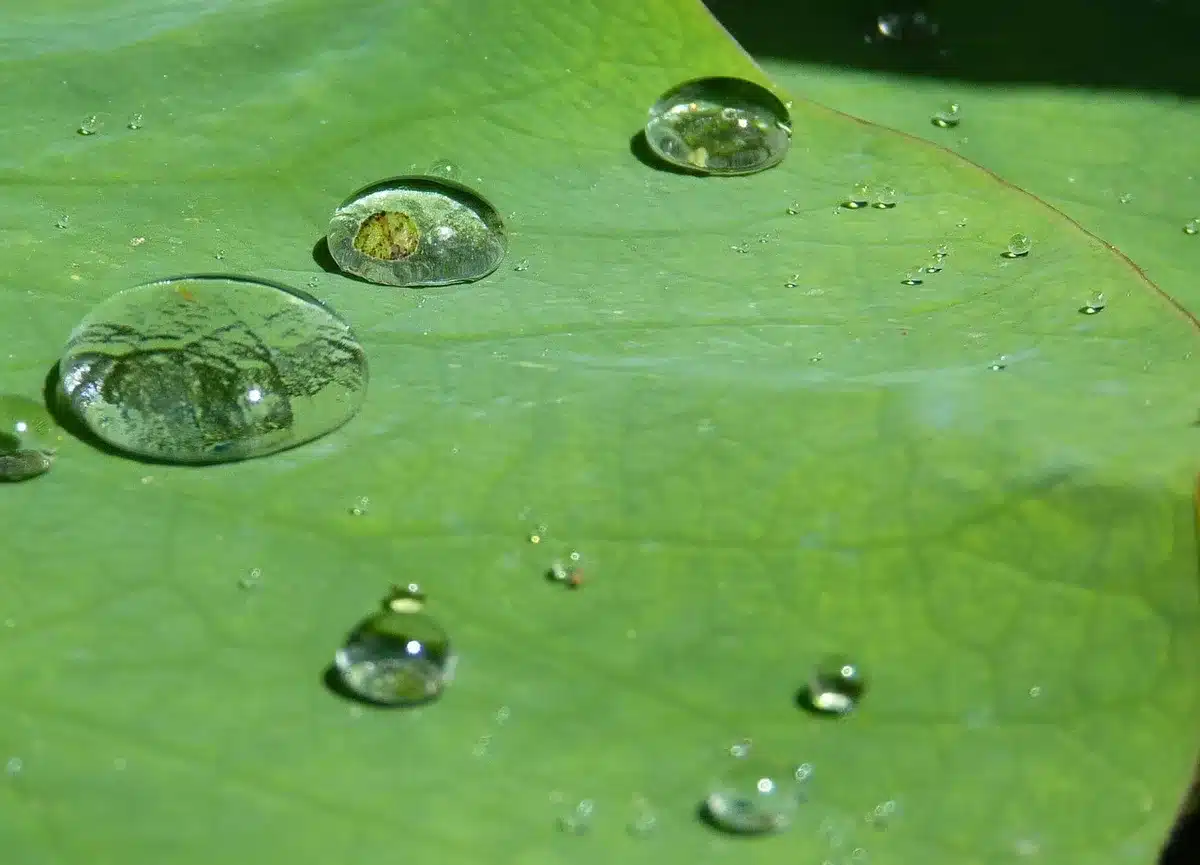
The filtration unit mimics naturally hydrophobic surfaces—think lotus leaves—that shed water while snagging hydrophobic particles like microplastics. As wastewater passes over the specially textured panels, water beads and slides away, leaving plastic particulates behind. Those concentrated particles are then gathered and sent to recycling facilities.
- Low energy demand: the system relies on passive surface interactions rather than high-pressure pumps or fine-mesh screens.
- Material efficiency: large treatment capacity is achieved using relatively small amounts of engineered material.
- Collect-and-recycle model: captured microplastics are removed in a form suitable for transport to recyclers instead of being incinerated or landfilled.
Pilot deployment in Atlantic City: partners and goals
The Atlantic County Utilities Authority (ACUA) in New Jersey accepted the installation as part of a two-year pilot to test whether the system can reliably remove microplastic pollution at municipal scale. ACUA leaders stress the public-health and environmental stakes: untreated microplastics from laundry, storm runoff and litter end up in the ocean and can re-enter the food chain.
ACUA officials say they aren’t waiting for federal rules before acting. For the utility, the focus is practical—reducing the amount of plastic leaving the plant and entering coastal waters that support fisheries, tourism and public bathing areas.
Who built it: PolyGone Technologies and its founders
PolyGone Technologies, a startup founded by Princeton graduates Nathanial Banks and Yidian Liu, developed the unit. Both founders come from architecture backgrounds, and they designed the large-scale device to be aesthetically and functionally efficient—combining engineering with a sense of built-environment design.
Banks, PolyGone’s CEO, describes the effort as an example of “treatment innovation” that pairs small amounts of engineered material with large-scale capacity. Liu has remarked that the hands-on design work for the oversized implant was one of the most rewarding aspects of the project.
Testing and performance targets
Laboratory trials of the prototype showed promising results: tests indicated up to 98% removal of microplastic particles from wastewater in controlled conditions. The Atlantic City pilot will evaluate whether that efficiency can be reproduced under real-world flows, variable particle types, and routine maintenance cycles.
- Key metrics the pilot will measure:
- Removal percentage across a range of microplastic sizes
- Operational energy use and maintenance frequency
- Ease of collecting and transporting concentrated plastic for recycling
Why microplastics are a rapidly growing concern
Microplastics originate from many everyday sources: synthetic fibers released in the wash, fragmented litter washed into storm drains, and breakdown of larger plastic items. Conventional wastewater plants were primarily designed to handle human waste, solids, and heavy metals—not the millions of tiny plastic fragments now ubiquitous in the environment.
Scientists have detected plastic particles in remote and extreme locations, from deep-sea trenches to mountain peaks, and even inside human tissues. Because these particles are small and chemically persistent, they present unique challenges to public-health researchers and waste managers alike.
Scaling up: commercial sites and residential possibilities
Beyond the Atlantic City pilot, PolyGone is already exploring other deployments. California has been identified as an early commercial host for a larger implant, and the founders are investigating how to adapt their approach for household- and building-level installations to stop microplastics at the source.
- Residential adaptations could target:
- Washing machine effluent
- Stormwater catchments for homes
- Small-scale municipal or neighborhood systems
Where innovation is heading: other microplastic solutions
PolyGone’s technology is one of many recent efforts to tackle microplastic pollution. Inventors and researchers have proposed or demonstrated materials—from plant-based powders to fungal filters—that can attract, bind, or separate plastics from water. These advances suggest a growing toolbox that utilities and consumers can use.
- Areas of active innovation:
- Biological filters and fungi-based systems
- Novel adsorbents and powders for particle capture
- Improved washing machine filters and textile engineering to reduce fiber shedding
Public health and regulatory context
Currently, there is no uniform federal mandate in the United States requiring municipal wastewater treatment plants to remove microplastics. That regulatory gap has not stopped some utilities from piloting new technologies. Local leaders argue action is necessary now to reduce plastics in the ocean and limit their entry into seafood and drinking water.
ACUA’s leadership frames the investment as both environmental stewardship and a precautionary public-health measure. If pilot results are positive, the technology could influence future policy choices and help set new expectations for wastewater management.
You might also like:
- Microplastics in tap water filtered by miracle tree seeds, removing more than 98%
- Plastic to vinegar: sunlight-powered process converts multiple plastics with no emissions
- Tamarind powder removes microplastics: three Asian teens win Earth Prize
- Activated carbon from coffee and plastic waste captures CO2 in project by female-led Arab team
- Ocean plastic cleanup: phone case brand builds autonomous floating collection platform

Michael Thompson is an experienced journalist covering U.S. and global news. With ten years on the front lines, he breaks down political and economic stories that matter. His precise writing and keen attention to detail help you grasp the real‑world impact of every event.

