
Show summary Hide summary
- Why so many young people reach for substances to sleep
- How common is self-medication for sleep among youth?
- The short-term relief, the long-term cost
- Signs that a sleep aid has become a crutch
- Practical alternatives and safer approaches for sleep
- What parents, colleges, and clinicians can do
- Shifts in policy and public messaging
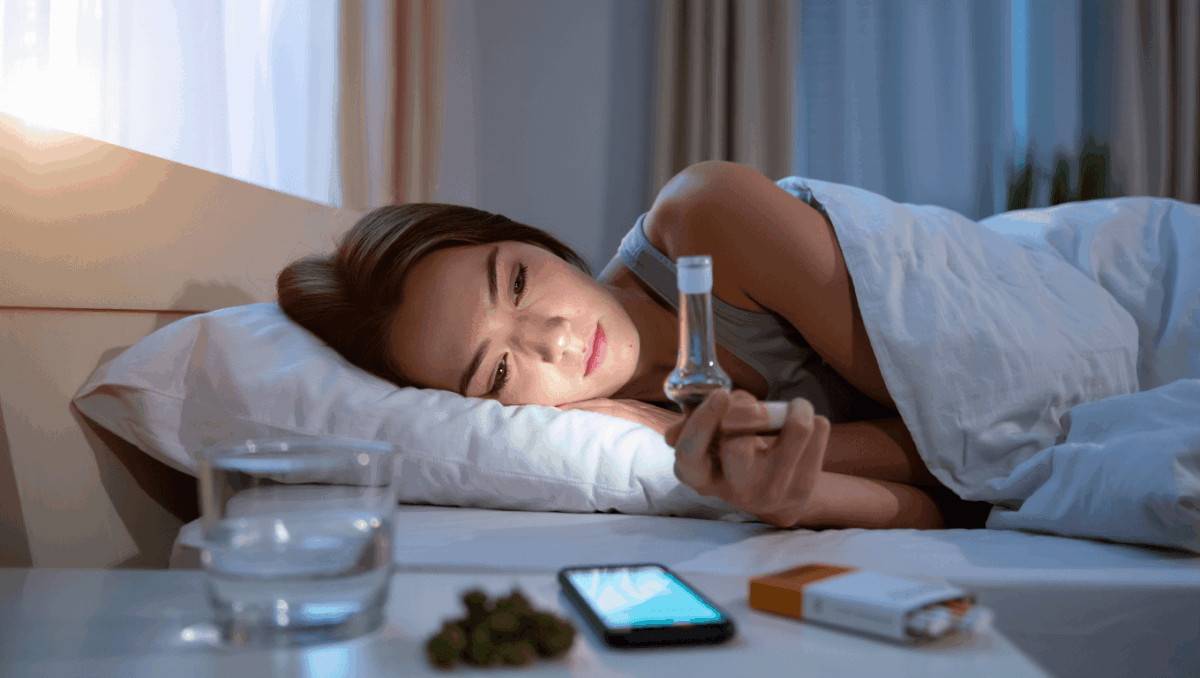
Young people today are increasingly turning to drugs, alcohol, or cannabis to force sleep — a habit that can create a cycle of dependence and worsen the very problems they hope to fix. What begins as an occasional nightcap or a joint to quiet racing thoughts often becomes the only way some teens and young adults can fall asleep, pushing underlying issues like anxiety, irregular schedules, and poor sleep habits further into the background.
Clinicians, educators, and families are watching this pattern grow: instead of treating insomnia with behavioral strategies or medical advice, a generation is self-medicating. The result is a tangle of short-term relief and long-term consequences that affects mood, cognition, and overall health.
Why so many young people reach for substances to sleep
The Growing Demand for Data-Driven Decision Making in Silicon Valley
He quit, ran out of money, and begged to come back — here’s how his boss reacted
Life for many young people is a pressure cooker of late-night screens, irregular college or work schedules, and intense social and academic expectation. In that mix, substances that promise quick sleep can look attractive. Substances like cannabis, alcohol, and nicotine provide immediate sedation or distraction, but they rarely fix the root causes of sleep trouble.
There are several drivers behind this trend:
- Accessibility: Legalization of cannabis and the ubiquity of alcohol make these options easier to obtain for older teens and young adults.
- Perceived safety: Many young users view cannabis as a natural, benign choice compared with prescription sedatives.
- Stress and anxiety: Mental health challenges spike in adolescence and early adulthood; sleep problems often co-occur and push individuals toward quick coping mechanisms.
- Cultural norms: Social media and peer groups can normalize using substances at night as part of a lifestyle or identity.
How common is self-medication for sleep among youth?
Exact numbers vary by region and age group, but surveys and clinical observations indicate that a significant share of young people who report insomnia also report using substances to get to sleep. College health centers and primary-care clinicians increasingly see patients describing nightly rituals involving cannabis, alcohol, or vaping.
In anecdotal interviews, students often describe a pattern: they start using a substance sporadically during stressful periods, find it effective for falling asleep, and then begin relying on it more frequently. Over time, the dependence can become psychological, and withdrawal may cause rebound insomnia, making it harder to stop without help.
The short-term relief, the long-term cost
Many substances do help people nod off quickly. Alcohol acts as a sedative; THC, the psychoactive compound in marijuana, can reduce the time it takes to fall asleep for some users; nicotine vaped in high doses can produce a calming effect for a short window. But sleep quality and the architecture of sleep are different matters.
Key effects on sleep architecture and daytime functioning:
- Alcohol and sleep: initially sedating, but they fragment sleep later in the night and reduce restorative REM sleep.
- Cannabis and THC: may shorten sleep latency but suppress REM and can interfere with dreaming; chronic use is associated with tolerance and withdrawal-related insomnia.
- Nicotine and stimulants: while some users feel calmer, nicotine is a stimulant that can disturb sleep continuity and reduce total sleep time.
- Benzodiazepines or prescription sedatives: effective short-term but carry risks of dependency and cognitive side effects when misused.
These disruptions translate into daytime sleepiness, worse memory consolidation, and mood instability — exactly the kinds of problems young people hope to avoid by self-medicating.
Signs that a sleep aid has become a crutch
Recognizing dependence is a critical step. Parents, teachers, and young people themselves can watch for red flags that substance use around sleep is more than casual:
- Feeling unable to fall asleep without using a specific substance.
- Needing increasing amounts to get the same effect (tolerance).
- Experiencing worse sleep or vivid dreams during periods without the substance (withdrawal or rebound insomnia).
- A decline in daytime performance at school or work, paired with ongoing evening use.
- Avoiding activities or relationships because they conflict with substance use routines.
Practical alternatives and safer approaches for sleep
Medical professionals recommend several evidence-based strategies for improving sleep that don’t involve substances. These approaches are often more sustainable and can also address mental health concerns that contribute to insomnia.
- Sleep hygiene: consistent bedtimes, limiting screen use before bed, and creating a dark, cool sleeping environment.
- Behavioral treatments: cognitive behavioral therapy for insomnia (CBT-I) is a first-line treatment with strong results across ages.
- Mindfulness and relaxation: meditation, breathing exercises, or progressive muscle relaxation can reduce arousal at bedtime.
- Limited, strategic use of medications: when needed, clinicians can prescribe short courses or safer options with monitoring, rather than leaving individuals to self-medicate.
- Addressing underlying conditions: treating anxiety, depression, or irregular schedules often improves sleep without substances.
What parents, colleges, and clinicians can do
Because this pattern sits at the crossroads of public health, mental health, and substance use, a coordinated response works best. Simple steps can reduce harm and help young people rebuild healthier sleep habits.
- Encourage open conversations about sleep and substance use without moralizing.
- Provide access to campus mental-health services and sleep education programs.
- Train primary-care providers to ask about nighttime substance use when patients report insomnia.
- Promote alternatives like CBT-I or digital cognitive-behavioral programs that have been adapted for adolescents and young adults.
- Implement policies that address late-night academic loads where possible, and create campus norms that don’t reinforce nightlong partying as the only way to unwind.
When to seek professional help
Anyone who finds they cannot sleep without a substance, experiences worsening anxiety or mood symptoms, or notices cognitive decline should reach out to a healthcare provider. Early help can prevent a temporary coping strategy from becoming a chronic problem. Clinicians can screen for substance use, evaluate insomnia causes, and recommend behavioral treatments, medication when appropriate, or referral to addiction specialists.
Shifts in policy and public messaging
As policies around cannabis and vaping change, public health messaging must keep pace. Young people need clear information about the difference between short-term sedation and healthy sleep. Marketing and cultural messages that portray substances as harmless sleep aids can create false reassurance.
Programs that combine education, access to mental-health care, and practical sleep interventions are more effective than simple warnings. Framing sleep as a skill rather than a commodity to be bought with substances can change expectations and behavior.
You might also like:
- Canna River gummies for sleep: review, effects and where to buy
- Paranoia while high: how to calm down and regain control
- 7 surprising foods are ruining your sleep every night, according to nutritionists
- Wake and bake: how morning cannabis can boost productivity and benefit others
- Drugs blamed for violent crimes: courts see rise in intoxication defenses

William Anderson is a multimedia producer specializing in videos, podcasts, and interactive galleries. With five years of immersive content creation, he turns information into a rich audio‑visual experience. His storytelling skills draw you directly into the heart of every story, on any platform.


Yo, back in my day, wed count sheep to doze off, not spark up a joint! These younguns relying on weed for Zs got me worried. Hope they find healthier ways to catch some shut-eye.
Man, back in my day, a cup of warm milk was all ya needed to knock out. These youngins relyin on that wacky tobacky for sleep? Aint that a trip. What happened to good ol fashioned shut-eye?
Haha, aint that the truth! Back in my day, a warm glass of milk was the cure-all for everything, even a broken heart! These youngsters with their fancy remedies… Whats next, CBD-infused pillows for a good nights sleep? Ah, the good ol days of simple solutions.
Man, back in my day, a cup of warm milk was the remedy for sleepless nights. Now, kids rely on weed just to catch some Zs? Concerning stuff. Where did we go wrong with these sleep struggles and substances, huh?
Ah, back in the day, warm milk was the secret weapon for a good nights sleep, right? Now its all about the green stuff for the youngins. Crazy how times change, huh? Maybe we should blame those late-night Netflix marathons instead of the milk!
Man, back in my day, wed count sheep to catch some Zs. Now, it seems like younguns cant sleep without toking up. The worlds spinning faster than my old record player. Whats next, CBD-infused pillows?
Man, back in my day, wed count sheep or sip on chamomile tea to doze off. Now its all about Mary Jane for sleep? Kids these days need a reality check. Time to unplug and unwind without relying on substances, ya know?
Man, I remember when wed just count sheep to fall asleep. Now its all about toking up. Shouldnt we worry bout what this reliance on weed might mean for the long haul? Sleeps precious, but sos our health, right?
Yo, I feel you on that, man. Counting sheep seems like a whole different era compared to the toking trend now. Its wild how things shift, right? But hey, maybe theres a balance somewhere in there. Like, maybe a little herbal help is cool, but yeah, gotta watch out for the long haul impact. Healths a big deal, no joke. How do we find that sweet spot, you know?
Man, sleepin’ used to be easy as pie. Now, everyone’s puffin’ on somethin’ to knock out. Back in my day, a cup of warm milk did the trick. These youngins’ need a reality check!
Man, back in my day, we didnt need no green stuff to catch Zs. Kids nowadays rely too much on that jazz cabbage. Aint natural, I tell ya. They gotta learn to unwind without relying on substances, it aint healthy.
Man, it’s wild how many young folks turn to weed for sleep. Aint sleep supposed to be a chill, natural thing? But hey, who am I to judge? Lifes crazy, anything to catch those Zs, right?
Dude, I feel ya on that! Its like, people these days be puffin away just to catch a few Zs. But hey, you right, lifes a rollercoaster, and if a lil green helps ya snooze, who am I to judge? As long as they aint hurting no one, right? Just gotta find what works for you in this crazy world. Peace out, sleepyheads!
Man, back in my day, a warm glass of milk was all we needed for a good nights sleep. These youngins and their fancy sleep aids… But hey, if Mary Jane helps em catch some Zs, who am I to judge?
Man, back in my day, we just counted sheep! These youngins with their fancy sleep aids… But hey, if Mary Jane helps em catch some Zs, who am I to judge? Just hope they find balance, yknow?
Man, its like everyones toking up just to catch some Zs these days. Cant deny the temptation, but gotta watch out for that slippery slope to dependency. Sleeps precious, but aint worth sacrificing the ol noggin for.
Man, its like everyones turning to weed these days to catch some Zs. But, like, isnt that just trading one problem for another? Gotta find healthier ways to snooze, yknow?
Man, its like a modern-day lullaby, but with a twist, ya know? Back in my day, warm milk was the go-to sleep aid. Now its all about that green stuff? Times are changin faster than my sleep schedule, I tell ya.
Man, kids these days always finding shortcuts for everything, even sleep! Back in my day, a warm glass of milk did the trick. But hey, if theyre puffin on the Devils lettuce for some zs, who am I to judge?
Man, back in my day, wed just count sheep or something to doze off. Now, peeps are puffin on the green just to catch some Zs? Thats like a whole new level of bedtime story, huh?