
Show summary Hide summary
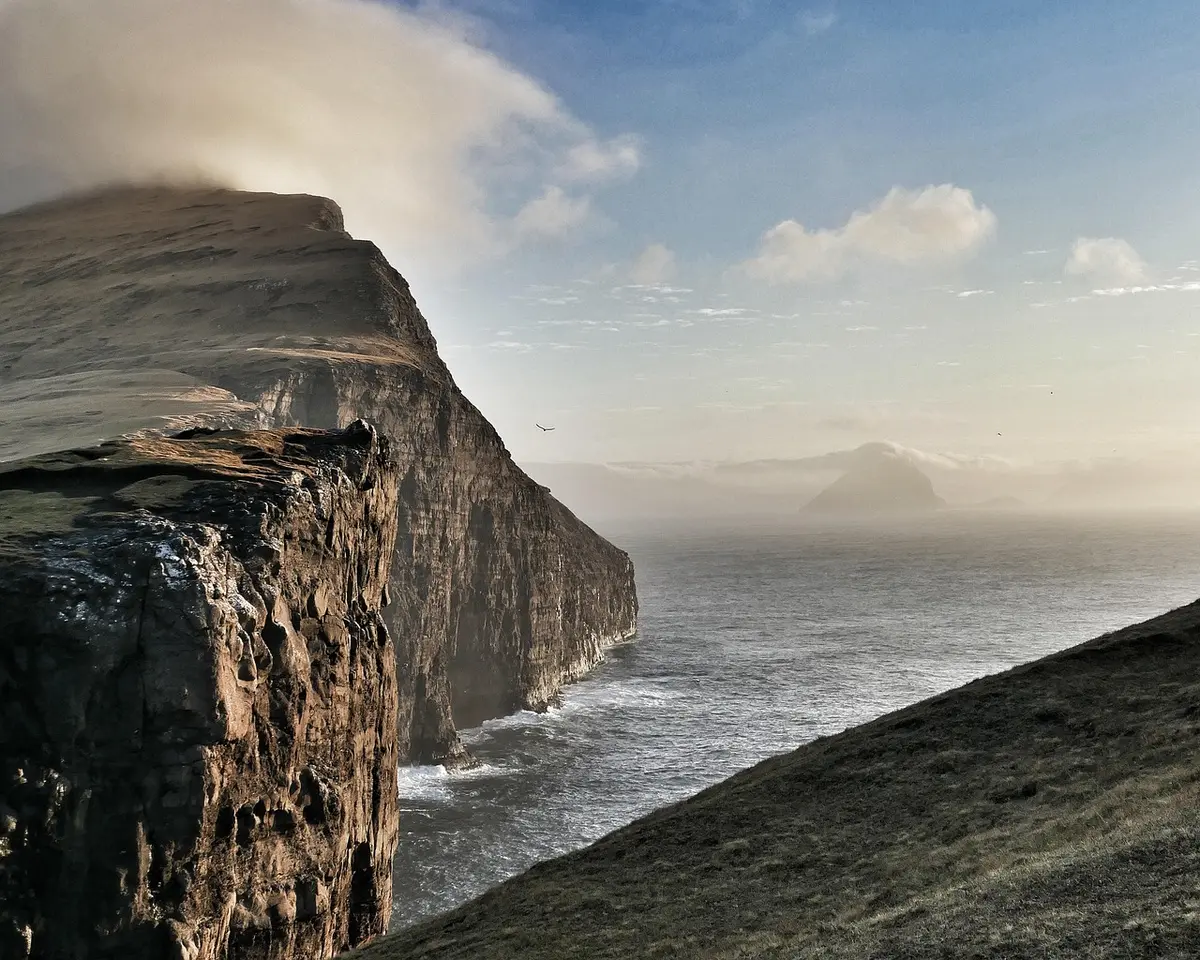
One year after a targeted restoration campaign on Nu’utele Island off Samoa, the landscape is showing dramatic signs of recovery. Native trees are sprouting in places that were once bare, food crops that previously failed are thriving again, and birds and other wildlife are returning to safer, more productive habitats.
The turnaround follows the coordinated removal of invasive rats and feral pigs — two species that had been disrupting soil, destroying seedlings, and preying on eggs and chicks. Local landowners, government agencies, regional partners, and international conservation teams combined forces to remove those threats and set the island on a faster path to ecological recovery.
The Growing Demand for Data-Driven Decision Making in Silicon Valley
He quit, ran out of money, and begged to come back — here’s how his boss reacted
What happened on Nu’utele: partners, timeline and tactics
The restoration on Nu’utele was a multiagency effort that blended traditional hunting skills with modern invasive-animal control techniques. Field teams made repeated visits between March 2025 and May 2026, conducting rigorous operations across the island’s steep and rugged terrain.
- Who took part: Samoa’s Ministry of Natural Resources and Environment (MNRE), the Pacific Regional Invasive Species Management Support Service (PRISMSS), the Secretariat of the Pacific Regional Environment Program (SPREP), Island Conservation, and local Aleipata community members.
- How long it took: Teams ran 12 expeditions and logged more than 130 days in the field to implement, verify and finalize eradication activities.
- Methods used: Rats were controlled using baiting, trapping and monitoring protocols that reduced population numbers to zero. Feral pigs — which uproot vegetation and compact soils — were located and removed using hunting techniques practiced across Polynesia.
Conservation personnel also brought in gifted volunteers to help in the final push; former New Zealand rugby international and conservation advocate Glen Osborne joined hunting teams to help find and remove the last pigs. The combined local knowledge and technical expertise helped eliminate the persistent threats to the island’s native plants and wildlife.
Vegetation rebound and renewed food security
Within months of removing the invasive mammals, field crews began documenting robust regeneration. Native seedlings now carpet areas that had been stripped of undergrowth, and where crops had previously failed, people are once again planting and harvesting staple foods like giant taro.
Restoration of native flora has several practical benefits:
- Improved soil stability and reduced erosion across slopes and coastal margins.
- Better watershed function and water retention, which supports both native ecosystems and local agriculture.
- Renewed agroforestry opportunities, allowing communities to rely more on local food sources.
These changes aren’t just ecological wins — they also strengthen the island’s natural infrastructure, making the landscape more resilient to storms and shifting climate patterns.
Bird species bounce back: nests, breeding and plans for reintroduction
Birds have responded quickly to reduced predation. Researchers discovered active nests only a month after eradication measures were completed — including eggs tucked inside bird’s-nest ferns, a site previously at high risk from egg-snatching rats.

Species and behaviors already documented include:
- Several active nests of the shy ground dove, which maintains one of its largest remaining Samoan populations on Nu’utele.
- A nest of the endemic Samoan starling and observed breeding activity among other native species such as the local flycatcher and whistler.
Ground-nesting birds are particularly vulnerable to introduced rodents because they evolved without mammalian predators and lack defensive behaviors against stealthy, opportunistic rats. Removing those predators has created safer breeding conditions and higher chances for chick survival.
One of the project’s longer-term aims is to establish a new population of the threatened Mao — a native forest bird that has declined from habitat loss, invasive predators, and extreme weather. Restoring safe habitat on Nu’utele sets the foundation for future translocations and a broader recovery plan through 2032.
Wildlife beyond birds: crabs and broader biodiversity signals
Recovery signs are not limited to plants and birds. Conservation teams recorded a species of land crab not previously known from Nu’utele, and naturalists expect land-crab numbers to climb now that predator pressure has eased. These crabs play crucial roles in nutrient cycling and the coastal food web.
Other early indicators of ecological recovery include an uptick in insect activity and increased use of habitat by smaller vertebrates that had been suppressed when invasive mammals were present. Together, these signs point to cascading benefits across the island’s food webs.
Lessons learned and the road ahead for island restoration
Officials and conservationists emphasize that Nu’utele’s progress reflects strong local leadership and collaboration. As SPREP’s invasive species adviser noted, when communities, government agencies and conservation groups align on a shared vision, outcomes can be rapid and measurable.
Key takeaways for other island restoration efforts include:
- Community involvement and landowner consent are essential for long-term success.
- Combining traditional hunting knowledge with scientific eradication methods increases effectiveness in challenging terrain.
- Post-eradication monitoring is critical to detect reinvasion and measure ecological recovery.
Island Conservation has applied these lessons on dozens of islands worldwide, helping remove invasive species in places such as the Marshall Islands, Palau and the Galápagos. Data collected from Nu’utele will feed regional restoration strategies and inform climate-resilience planning across the Pacific.
Long-term monitoring will continue to track forest regeneration, wildlife breeding success and ecosystem health, providing the evidence needed to guide future translocations, habitat protection and community-based conservation actions across Samoa and beyond.
You might also like:
- Galapagos rail missing for 200 years reappears after Floreana island restoration
- Native Hawaiians not primary cause of bird extinctions, study finds
- 158 giant endangered tortoises released on Galápagos island after being extinct for 180 years
- Zoo saves 21 snails from extinction, returns hundreds to pristine Atlantic island
- Invasive trees and fish removed from vital South African ecosystems

Michael Thompson is an experienced journalist covering U.S. and global news. With ten years on the front lines, he breaks down political and economic stories that matter. His precise writing and keen attention to detail help you grasp the real‑world impact of every event.

