Show summary Hide summary
- Why a supermarket is reviving heirloom apples and what it could mean for shoppers
- Which alpine apple varieties are in the trial—and their origins
- How the pilot orchard is structured and what’s already happened
- Why heirloom apples matter for flavor, biodiversity, and resilience
- What shoppers might see in stores and how this could scale
- Related orchard news and why it matters to food trends
Most grocery aisles are filled with the same handful of apple names: bright, uniform, and bred for travel and shelf life. But a major European retailer is betting shoppers will welcome something older, stranger, and far more local—apples with histories that stretch back centuries.
Spar Group, one of Europe’s largest supermarket chains, has teamed up with Austrian produce trader Frutura to test whether rare alpine apples can move from small orchards into mainstream markets. The pilot blends agricultural science, regional heritage, and consumer taste tests to see if heirloom varieties can survive modern commercial growing and find a place on store shelves.
The Growing Demand for Data-Driven Decision Making in Silicon Valley
He quit, ran out of money, and begged to come back — here’s how his boss reacted
Why a supermarket is reviving heirloom apples and what it could mean for shoppers
Supermarkets usually stock apples chosen for durability, uniform color, and consistent yields. Those traits helped industrial agriculture standardize produce but also narrowed the diversity available to consumers. Spar’s new project aims to reverse that trend by evaluating older cultivars not seen in most grocery stores.
Spar officials say the project responds to a growing shopper interest in provenance, flavor variety, and locally sourced food. The company wants to know whether these older apple types can be grown reliably at scale, and whether customers will pay a premium for a different taste and story.
Which alpine apple varieties are in the trial—and their origins
The first two varieties moving through commercialization trials are tied to specific regions and histories: the Ilzer Rose and the Falchs Gulderling. Both are being grown in an experimental orchard in Austria’s Styria region before trial sales at Vienna markets.
Ilzer Rose: a Styrian classic
Ilzer Rose traces its roots to the southern Austrian state of Styria, with origins reported around 1840. Its name and flavor profile reflect local growing traditions and climate. Growers involved in the trial describe its taste as evocative of older, less industrialized orchards.
Falchs Gulderling: a South Tyrol heirloom
The Falchs Gulderling was identified in the 1870s in South Tyrol (also known as South Tirol). Like other heirloom apples, it carries a name that hints at local lore and the practical creativity of past growers who named varieties after places, farms, or distinctive traits.
How the pilot orchard is structured and what’s already happened
Frutura and Spar established an experimental orchard with thousands of trees to assess performance under current farming practices. The trial includes 2,150 apple trees planted across the site in Styria, giving researchers a meaningful sample to monitor yield, disease resistance, and fruit quality.
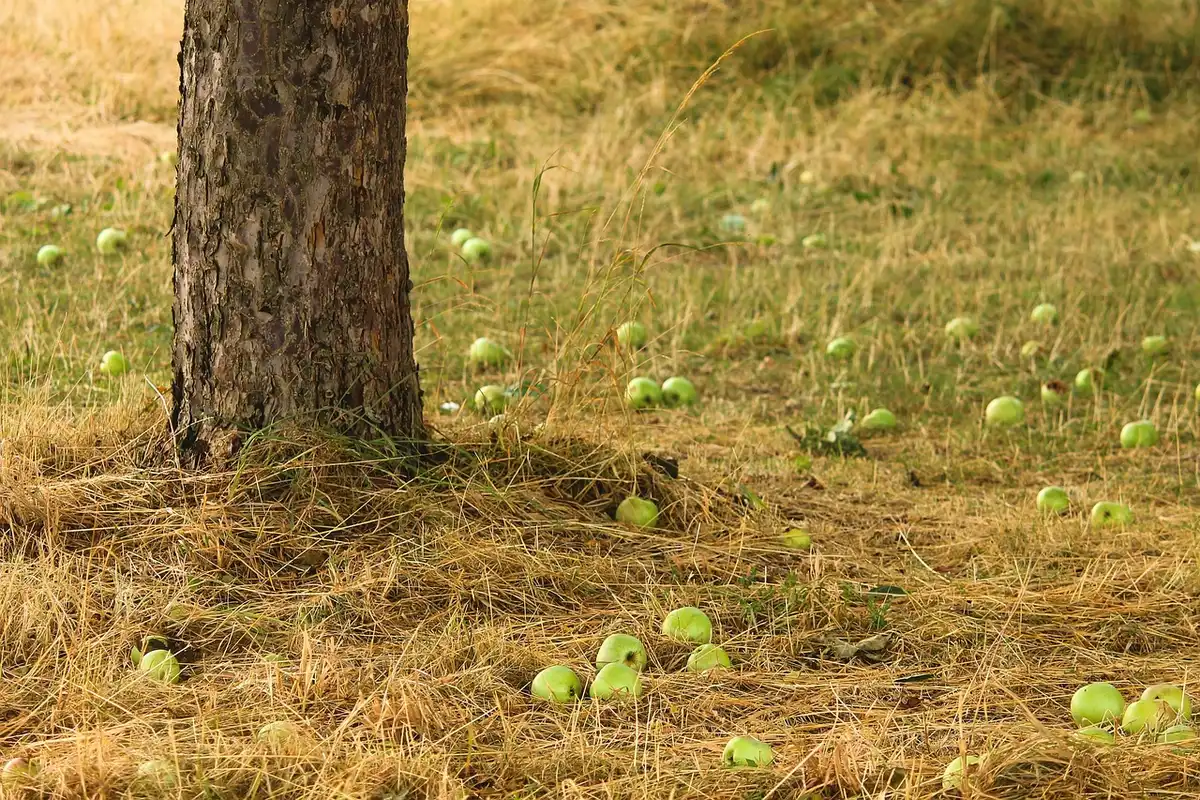
- Initial harvests have begun: the first fruits were picked this month for sensory evaluations and retail trials.
- Selected apples will appear in limited runs at Vienna markets to gauge customer interest and pricing sensitivity.
- Growers are recording practical metrics—how well the trees withstand pests, weather variability, and standard treatments used in commercial orchards.
Why heirloom apples matter for flavor, biodiversity, and resilience
There are an estimated 7,500 apple varieties grown worldwide today, yet most shoppers only encounter three to five types at their local supermarket. Historical records compiled by conservation projects suggest that North America alone saw around 17,000 named apple varieties emerge during the 18th and 19th centuries, many of which have since disappeared.
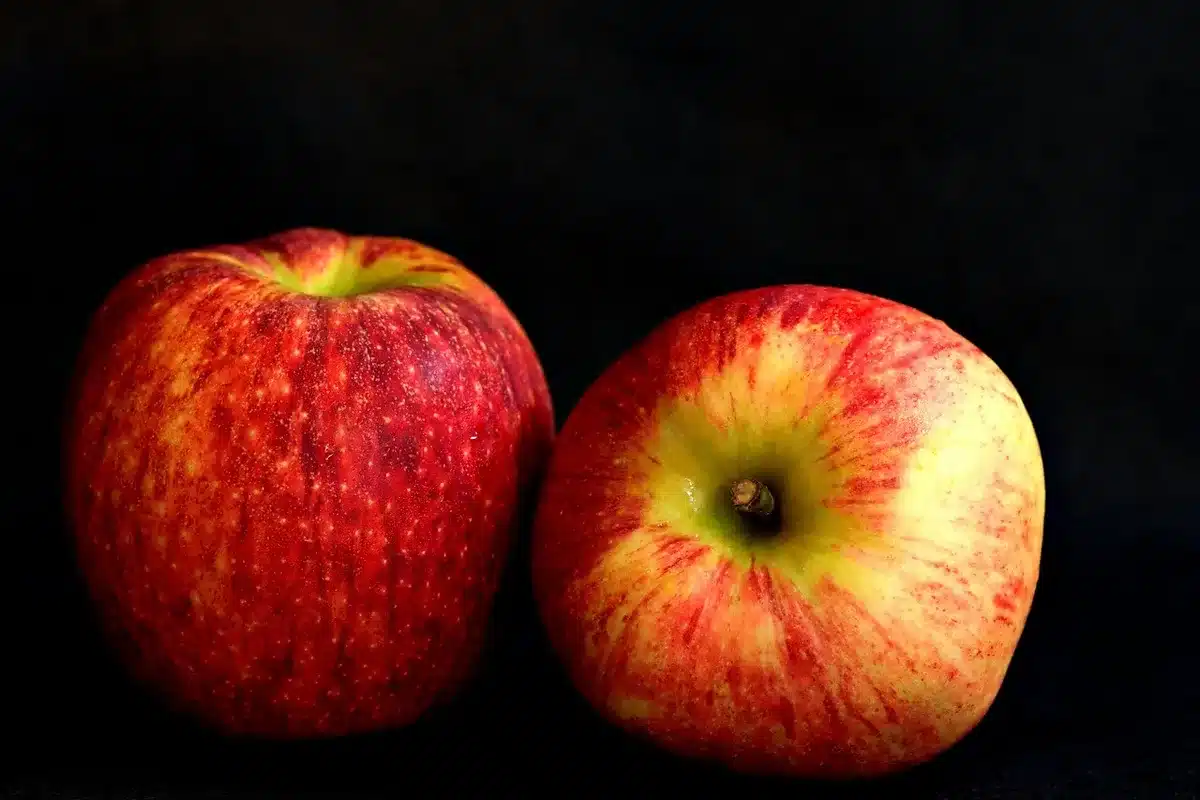
Heirloom apples can offer:
- Distinctive taste profiles that differ from modern supermarket varieties
- Genetic diversity that may help breeding programs develop greater climate and pest resilience
- Cultural and regional identity tied to local farming traditions
At the same time, these older cultivars often don’t match modern apples in yield, uniformity, or resistance to large-scale pests—traits that industrial growers prioritize. The Spar–Frutura experiment is testing whether compromises can be found that keep the flavor and heritage while meeting commercial realities.
What shoppers might see in stores and how this could scale
If trials show positive results, Spar plans to expand availability across its regional outlets. For now, customers in Vienna will get the first chance to sample Ilzer Rose and Falchs Gulderling during limited test runs. Retail teams will track sales, gather customer feedback, and watch repeat purchase behavior to determine whether a broader rollout makes sense.
Proponents argue that even limited success could nudge supermarkets to diversify their apple offerings, creating new market niches for small growers and adding richness to what consumers find in produce aisles.
Related orchard news and why it matters to food trends
- French farmers are experimenting with warmer-climate crops as temperatures shift, producing new local fruit options.
- Researchers continue to discover new avocado types that could expand choices and strengthen supply chains.
- An enthusiast has grafted hundreds of mango varieties onto a single tree, showing how variety can be preserved and showcased.
You might also like:
- Michigan apple growers hit with big losses despite bumper harvest
- A farmer accidentally grows the world’s most expensive mango – here’s why it’s so rare
- French farmers grow tropical fruit as warming climate makes new crops possible
- Man donates field to his town to create community orchard
- No fat, no sugar: discover how to bake guilt-free cakes everyone loves

Michael Thompson is an experienced journalist covering U.S. and global news. With ten years on the front lines, he breaks down political and economic stories that matter. His precise writing and keen attention to detail help you grasp the real‑world impact of every event.