Show summary Hide summary
- Major new reserve protects a key Amazon corridor along the Iténez
- Why the Iténez matters: species, ecosystems and migration routes
- Connecting parks and reserves across two countries
- How the reserve will be managed: community-led rules and sustainable use
- International support and a milestone for rainforest protection
- Next steps: implementation, monitoring and community engagement
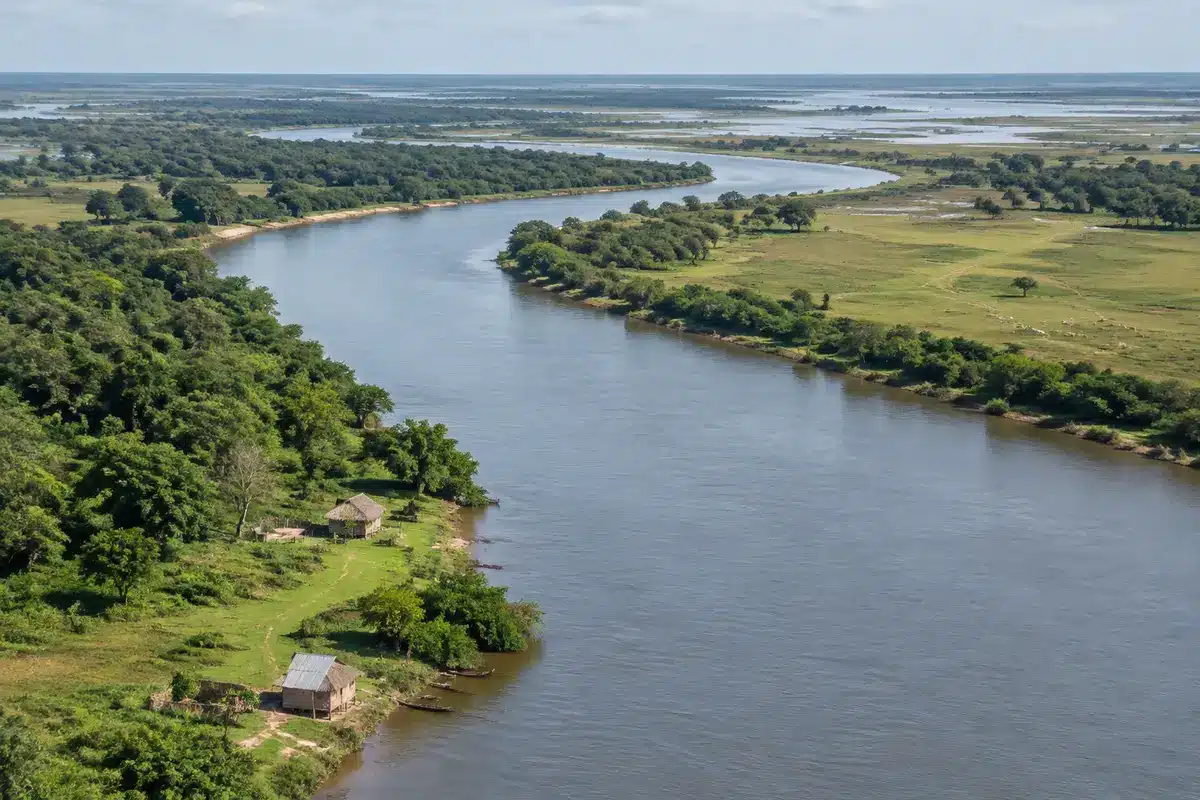
A new, expansive wildlife reserve has been established along the Iténez River in northeastern Bolivia — a move conservationists say shored up a vital passage for Amazonian wildlife. The protected area, the result of a municipal law backed by local and international NGOs, aims to safeguard rivers, floodplains and forests that sustain jaguars, giant otters and dozens of other species that depend on seasonal migration routes.
The designation strengthens a cross-border chain of protected lands between Bolivia and Brazil and adds momentum to a wider push to curb deforestation across the Amazon. Environmental groups hailed the reserve as both a local victory for communities and a meaningful contribution to global conservation targets.
Major new reserve protects a key Amazon corridor along the Iténez
The Growing Demand for Data-Driven Decision Making in Silicon Valley
He quit, ran out of money, and begged to come back — here’s how his boss reacted
Bolivia’s recent move created a roughly 715,000-acre municipal wildlife reserve that straddles the Iténez River (called the Guaporé in Brazil). The river — a watery artery stretching more than 780 miles and forming a large portion of the Brazil–Bolivia border — supports a remarkable range of habitats from seasonally flooded forest to open pampas.

Local NGO Faunagua led the initiative and worked with partners to secure formal legal protections for the land now known as the Agua Dulce Municipal Wildlife Reserve. Rainforest Trust provided technical and financial assistance during the planning and approval stages, helping to align municipal authorities, local stakeholders and conservation specialists.
Why the Iténez matters: species, ecosystems and migration routes
This river and its surrounding landscapes are home to an extraordinary variety of wildlife. The reserve protects critical habitat for apex predators and aquatic mammals, and it preserves fish populations that are unique to these waters.
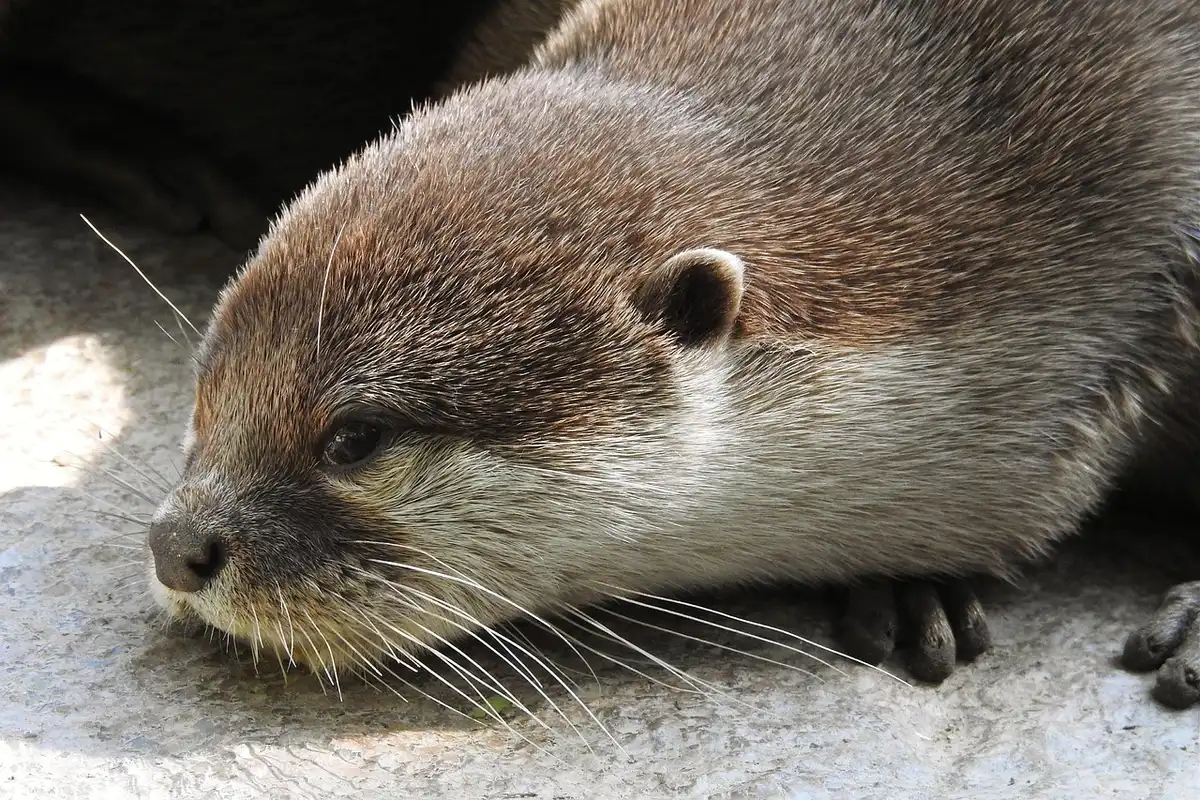
- Iconic mammals: jaguar, giant otter, lowland tapir
- Reptiles and amphibians: black caiman and other riverine species
- Freshwater diversity: roughly 260 fish species, including about 25 species endemic to this basin
Scientists describe the Iténez as a “link of life” because it connects distinct protected landscapes and allows animals to move across the region seasonally — a function that becomes increasingly important as climate change and land-use pressures fragment habitats elsewhere in the Amazon.
Connecting parks and reserves across two countries
The Agua Dulce area is not isolated; it plugs into a larger transboundary conservation matrix that keeps ecosystems linked from Bolivia into Brazil. Nearby protected areas include national parks, departmental preserves and municipal reserves on both sides of the border.
- Bolivian neighbors: Noel Kempff Mercado National Park, Iténez Departmental Park, Bajo Paraguá Municipal Protected Area
- Brazilian neighbors: Corumbiara State Park, Pedras Negras Extractive Reserve, Ilha das Flores State Park
Maintaining these connections is an essential conservation strategy. Wildlife corridors like the Iténez help sustain genetic diversity, enable seasonal migrations and buffer species against local disturbances.
How the reserve will be managed: community-led rules and sustainable use
The municipal wildlife reserve model adopted for Agua Dulce balances nature protection with regulated local use. Rather than excluding people, the legal framework focuses on three pillars:
- Conserving and restoring wildlife populations and habitats
- Protecting ecosystem services such as flood regulation and fisheries
- Developing sustainable extraction and livelihoods that support local economies
Faunagua worked with community members and municipal officials to draft a management plan and will remain active in helping implement it on the ground. Under this approach, local participation is central: residents contribute knowledge about seasonal cycles and resource use while authorities enforce rules designed to prevent destructive land clearing and overharvesting.
International support and a milestone for rainforest protection
Rainforest Trust marked the new Bolivian reserve as part of a broader achievement: the organization has now helped secure protection for approximately 70 million acres of tropical forest worldwide. A significant portion of that figure was added in recent months, underscoring an accelerated push to protect high-priority, imperiled landscapes ahead of global conservation targets for 2030.
Conservationists point out that this local success arrives as Brazilian agencies report a drop to historically low deforestation rates in parts of the Amazon, reflecting stepped-up enforcement and policy shifts. Still, advocates emphasize that ending habitat loss requires coordinated, sustained action across jurisdictions, and municipal reserves like Agua Dulce are one practical tool in that effort.
Next steps: implementation, monitoring and community engagement
With the legal designation in place, attention turns to turning plans into practice. Key tasks include:
- Putting the management plan into effect with community partners
- Establishing monitoring programs for wildlife, fisheries and forest cover
- Developing sustainable economic activities that align with conservation goals
Local leaders and the NGOs involved say they will focus on building capacity for enforcement, promoting sustainable livelihoods and tracking ecological outcomes — all aimed at keeping the Iténez functioning as a living corridor for animals and people alike.
You might also like:
- Bolivia protects 660 square miles of biodiverse forest
- French Guiana protects 370,000 acres of rainforest and granite peaks
- UNESCO adds area the size of Bolivia to reserves protecting 5% of world land
- New bird species discovered in Ecuador could reshape conservation
- Rare fisher spotted on trail cam in Cleveland area, first seen since 1800s

Michael Thompson is an experienced journalist covering U.S. and global news. With ten years on the front lines, he breaks down political and economic stories that matter. His precise writing and keen attention to detail help you grasp the real‑world impact of every event.