
Show summary Hide summary
- From attic discovery to rediscovered heritage grain
- What makes this wheat different — scientific ID and history
- Why farmers and scientists call it a “miracle” grain
- Nutritional profile and culinary notes for modern consumers
- Practical farming lessons from Grossi’s experiments
- Biodiversity, climate resilience, and the case for heirloom wheat
- Where this revival could lead — markets, research, and policy
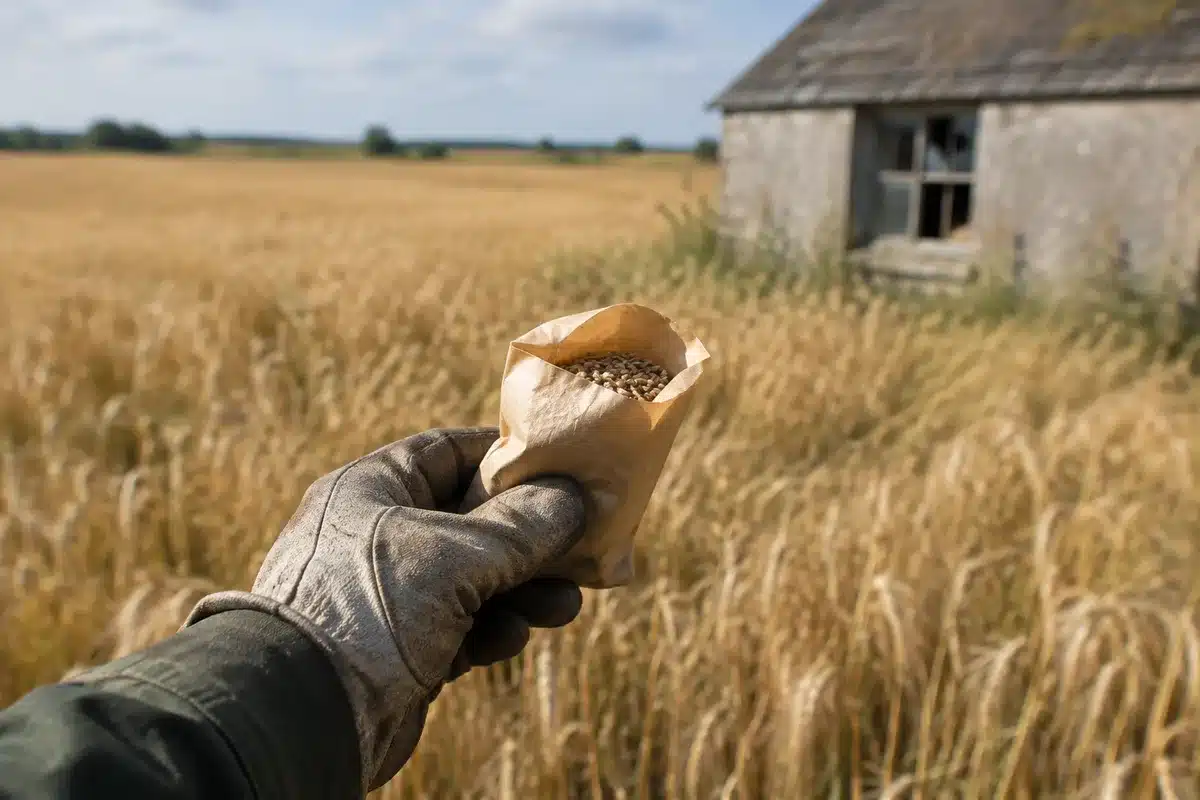
Claudio Grossi almost tossed them out. In an attic above his fields in Parma he found a handful of brittle, decades-old wheat seeds and, more from curiosity than conviction, tucked them into a heap of manure. When spring arrived, the “worthless” kernels shocked him: sprouting into towering stalks unlike anything he had sown that year. What began as a small experiment quickly became a local sensation — and a reminder that forgotten seeds can carry far-reaching value for food systems today.
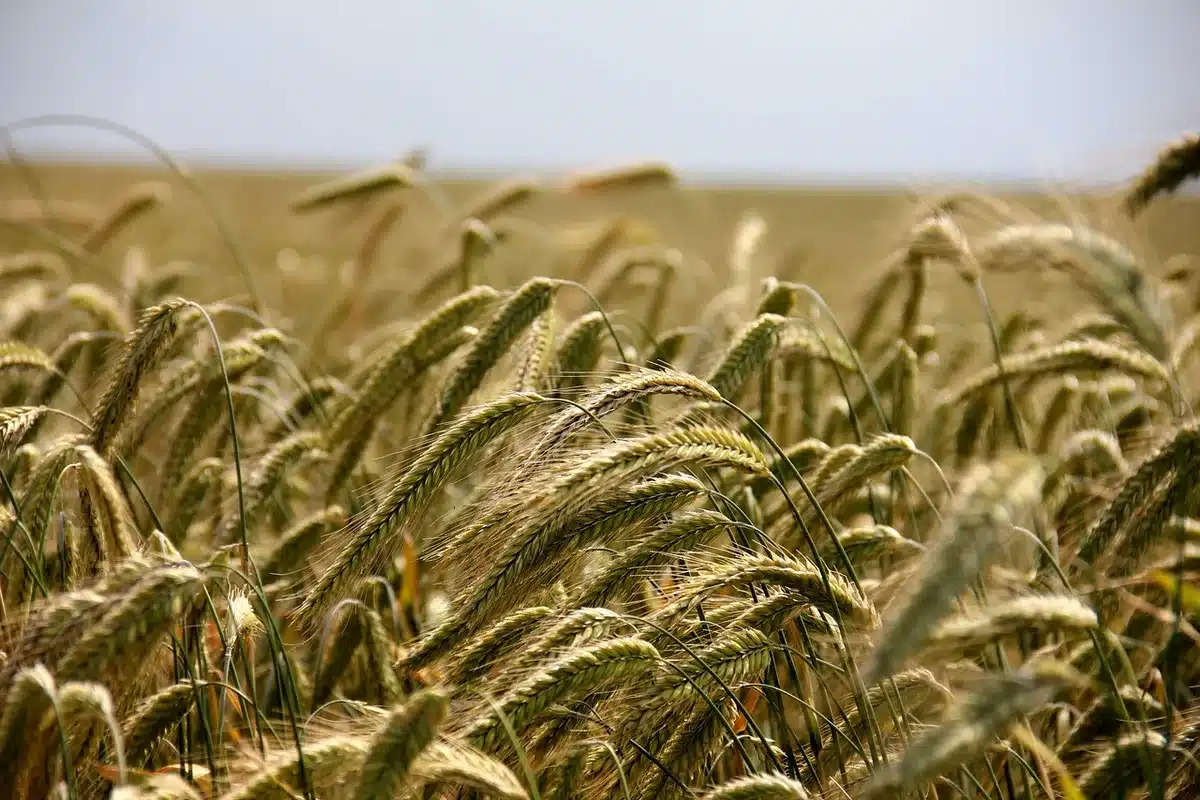
The crop that rose from those attic seeds didn’t resemble modern commercial wheat. One stalk bore not a single ear but seven, arranged in a pattern that startled Grossi and later led him to an old passage in Genesis. Scientists would identify the plant as an ancient form of wheat with deep Mediterranean roots — a heritage grain that once shaped diets and landscapes across southern Europe and the Near East.
From attic discovery to rediscovered heritage grain
Grossi’s discovery started with a casual gesture: the seeds had been stored by his great-grandfather after he bought the family farm in 1915. Left untouched for generations, they sat quietly until Grossi’s small experiment brought them back to life. As seedlings emerged, the unusual variety towered over the commercial yellow wheat around it and displayed a striking cluster of ears — one large central ear surrounded by six slimmer ones.
The Growing Demand for Data-Driven Decision Making in Silicon Valley
He quit, ran out of money, and begged to come back — here’s how his boss reacted
The visual oddity prompted curiosity and research. Local accounts and the University of Parma’s botanists eventually connected Grossi’s crop to an old wheat lineage. Instead of a modern hybrid optimized for mechanical harvesting and uniform baking, the plant matched descriptions of an heirloom form that had been cultivated across Türkiye, Egypt, and the Mediterranean basin long before industrial agriculture reshaped fields.
What makes this wheat different — scientific ID and history
Identification and origins
Botanists classified the grain as part of the Triticum turgidum group, specifically a convarietal form sometimes referenced as Triticum turgidum convar. compositum. These grains evolved in the Fertile Crescent and spread westward into Italy and other Mediterranean regions over millennia. Their genetics reflect an era when plant varieties were selected by small-scale farmers for resilience and flavor rather than mechanical suitability.
Why it vanished from mainstream farming
Several practical reasons explain the decline of such tall, heirloom wheats:
- They grow very tall and are prone to lodging (snapping or falling) in wind, heavy rain, or hail, which reduces yield in commercial systems.
- The flour often performs differently in leavened bread — not all heirloom wheats rise easily with modern baking techniques.
- During the early 20th century, political and agricultural shifts favored shorter, faster-maturing varieties that suited mechanized harvests.
These factors contributed to a decline in production under regimes and market pressures that rewarded uniformity and speed.
Why farmers and scientists call it a “miracle” grain
Grossi began calling the rediscovered crop his “Miracle Wheat” — or grano del miracolo — after watching its robust performance in his fields. The qualities that stood out were:
- Height and biomass that overshadow common weeds, reducing competition.
- Natural drought tolerance compared with some modern varieties.
- Lower apparent dependence on chemical fertilizers in Grossi’s experience.
These traits point to adaptive strategies selected over generations of cultivation under more variable conditions than those typical in modern monocultures.
Nutritional profile and culinary notes for modern consumers
The flour milled from this ancient wheat, sold today under names like Miracolo, finds use in both breads and pastries. Compared with some modern wheat flours, it offers a notable nutrient mix: higher levels of iron and phosphorus, and greater amounts of several amino acids including arginine, tryptophan, and lysine. Bakers and tasters have also highlighted a distinctive natural sweetness and a fragrant aroma when the dough bakes — characteristics that can make heritage flours appealing for artisanal products.
Pricing on small-scale markets has reflected its specialty status: Miracolo flour can be found at modest retail prices in Italy, aimed at consumers and bakers who value flavor and provenance over mass-market uniformity.
Practical farming lessons from Grossi’s experiments
Grossi didn’t stop at harvesting a novelty. He experimented with planting patterns and companion crops to mitigate the heirloom wheat’s vulnerabilities. One effective tactic was intercropping shorter, sturdier grain types among the taller stalks; these companion plants help support the larger plants during storms and reduce lodging risk. The practical lessons include:
- Blending varieties to combine resilience with structural support.
- Managing plots for biodiversity rather than monoculture uniformity.
- Adapting low-input methods that play to the old grain’s natural strengths.
Such approaches reflect a growing interest in regenerative and diversified farming systems that aim to increase resilience to extreme weather.
Biodiversity, climate resilience, and the case for heirloom wheat
Experts in agrobiodiversity argue that reintroducing and preserving ancient grains has more than nostalgic value. These plants carry genetic traits shaped by centuries of adaptation to pests, drought, and variable soils — traits that can help buffer agriculture against the shocks of climate change. Francesco Sottile, a biodiversity specialist, emphasizes that heritage varieties embody genetic strategies developed without synthetic agrochemicals, and thus can be valuable in building more resilient food systems.
Reviving such grains supports:
- Greater genetic diversity in cereal crops.
- New options for breeders looking to blend resilience traits into modern varieties.
- Local and regional food sovereignty by valuing crops adapted to specific climates and soils.
Where this revival could lead — markets, research, and policy
The story of Grossi’s wheat is already influencing small-scale bakers, farmers, and researchers. Opportunities and next steps include:
- Seed-saving networks and community banking to preserve heirloom genetics.
- Collaborative research to document traits, improve lodging resistance, and adapt baking techniques for unique flours.
- Policies that incentivize on-farm biodiversity and the cultivation of heritage varieties for ecological resilience.
If scaled thoughtfully, rediscoveries like Grossi’s may help diversify grain supplies and expand consumer choice while offering tools to cope with hotter, more volatile growing seasons across southern Europe and beyond.
You might also like:
- Heritage apple varieties: major supermarket starts wide-scale tests to bring to market
- Seed vault in Atacama Desert frozen to preserve Chile’s plant diversity
- Farmers record spring harvests despite drought using new and traditional methods
- Grain bank accounts help Indian farmers bypass middlemen via online marketplace
- Rice prices hit 18-year low as yields per acre double

Michael Thompson is an experienced journalist covering U.S. and global news. With ten years on the front lines, he breaks down political and economic stories that matter. His precise writing and keen attention to detail help you grasp the real‑world impact of every event.

