
Show summary Hide summary
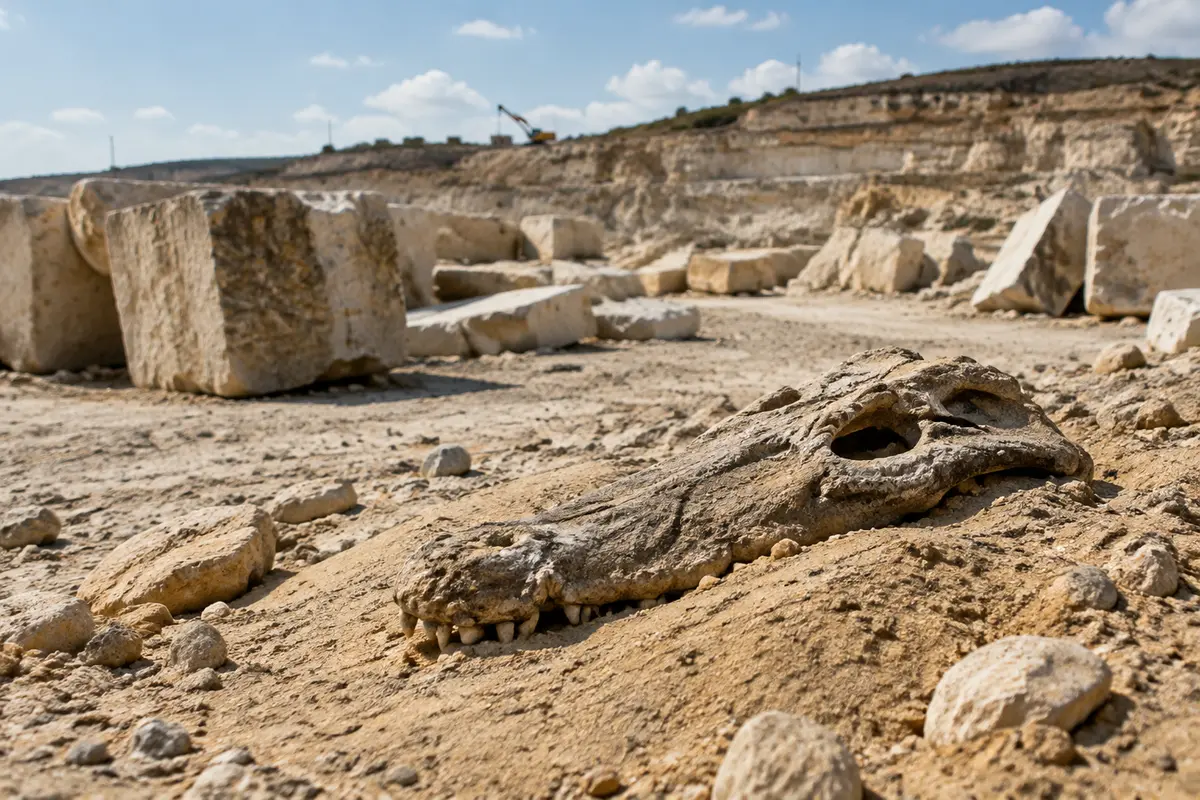
Stones quarried millennia ago to build the Great Sphinx of Giza have yielded a surprising scientific secret: a nearly complete crocodilian skull that turns out not to be what scientists long assumed. Modern imaging and fresh analysis have revealed a previously unrecognized species of gavial — a long-snouted crocodile relative — whose fossil was pulled from the same 45-million-year-old deposits the ancient Egyptians tapped for construction.
Aside from its scientific value, the fossil carries an uncanny echo of the Sphinx itself: the tip of the animal’s snout is gone. That coincidence helped inspire the new name researchers chose for the creature and shines a light on how advances in technology can rewrite a century-old fossil story.
From 1920s Quarry Finds to a 21st-century Reassessment
The Growing Demand for Data-Driven Decision Making in Silicon Valley
He quit, ran out of money, and begged to come back — here’s how his boss reacted
Excavations in the Mokattam Formation near Cairo in the 1920s produced several crocodilian remains, including a skull that scientists originally assigned to the modern genus Tomistoma, a type of gavial still living in Southeast Asia. New work by an international team, however, shows those early identifications were mistaken.

- Age and location: The rocks are roughly 45 million years old and were quarried by ancient Egyptians for monuments.
- Initial classification: Early 20th-century anatomists compared the skull to living gavials and placed it in the genus Tomistoma.
- Modern reexamination: Computed tomography (CT) scans and detailed comparative anatomy revealed anatomical traits inconsistent with that assignment.
What the Skull Shows: Anatomy Behind the New Name
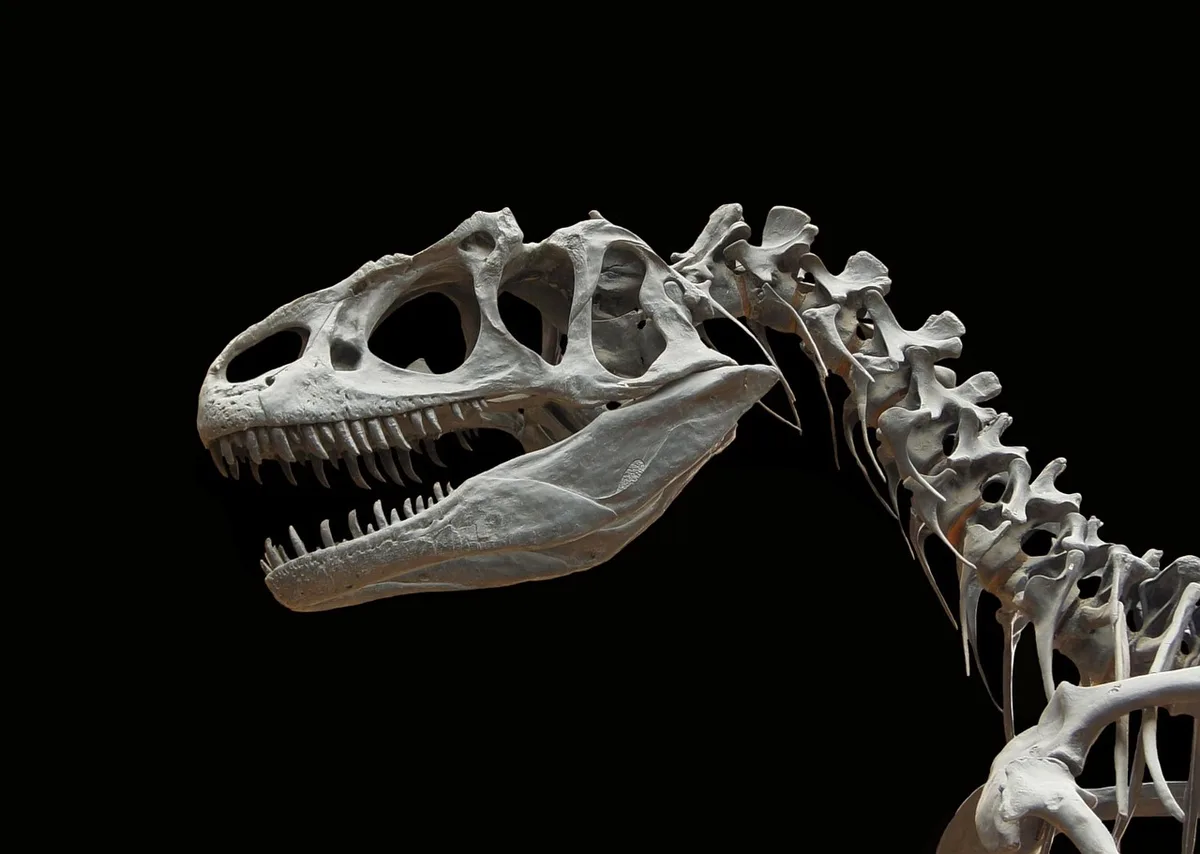
CT imaging allowed researchers to inspect internal structures and subtle bone surfaces that aren’t visible from the outside. The team identified multiple differences between the Cairo skull and any known Tomistoma specimens, prompting a formal redescription.
- Distinct cranial bone shapes and sutures.
- Internal cavities and sinus patterns different from Southeast Asian gavials.
- The rostral tip — the extreme end of the snout — is missing, a feature that shaped the fossil’s new identity.
Because these anatomical signatures set it apart from living and fossil gavials previously described, the researchers introduced the new species name Herugavialis cairensis, roughly meaning “Heru’s gavial of Cairo.” The naming reflects both the fossil’s Egyptian context and the cultural resonance of the nearby Sphinx.
Why the Missing Snout and the Sphinx Connection Matter
The fossil’s blunt finish at the front of the jaw mirrors the famously damaged face of the Great Sphinx, so the team drew a symbolic link when selecting the genus and species name. Beyond symbolism, the missing rostral tip is an important anatomical clue: it guided scientists to look more closely at the skull’s internal architecture rather than relying on superficial similarities to modern gavials.
Researchers also emphasized the historical and cultural ties between crocodilians and ancient Egyptian life. Crocodiles were integrated into Nile ecosystems and religious iconography, and discovering a new species in stone used by the Egyptians underscores that longstanding relationship.
What Herugavialis cairensis Reveals About Ancient Seas
The new species is a reminder that gavials once occupied a much broader range than today’s two surviving species. While only Gavialis gangeticus (found in parts of South Asia) and Tomistoma schlegelii (in Southeast Asia) live now, fossil gavials turned up around the globe for more than 100 million years, often in shallow marine and coastal habitats.
Key implications from the discovery include:
- The Mediterranean region and nearby seas hosted a high diversity of crocodilians through much of the Cenozoic.
- Changes in global climate and sea level helped shape that diversity over time.
- Major environmental shifts — such as the drying of the Mediterranean roughly 6 million years ago — contributed to local extinctions that removed crocodilians from parts of their former range.
Team, Techniques and Publication
The study was conducted by paleontologists from several countries, led by researchers at the Swedish Museum of Natural History and involving colleagues in the UK, Germany and Egypt. Using high-resolution CT scans, the team compared the Cairo skull against a wide range of fossil and living gavial specimens to establish diagnostic differences.
The formal description of Herugavialis cairensis was published on October 7 in Royal Society Open Science, marking a correction to a century-old taxonomic assignment and adding a new chapter to the story of crocodilian evolution in northern Africa.
You might also like:
- Triceratops huge nose helped regulate body temperature, study suggests
- Ancient snake found in London museum: what we know
- Marsupials discovered after 6,000 years presumed extinct
- Prehistoric fish fossil rewrites evolution, reveals origins of catfish and carp
- Pachycephalosaur skull upends understanding of dome-headed dinosaurs

Michael Thompson is an experienced journalist covering U.S. and global news. With ten years on the front lines, he breaks down political and economic stories that matter. His precise writing and keen attention to detail help you grasp the real‑world impact of every event.


Imagine stumbling upon a croc skull missin its nose while chillin by the Sphinx. Ancient mysteries meet modern surprises… talk about a plot twist straight outta a history book!
Man, imagine stumbling upon a croc skull with a missing nose while digging up stones for the Sphinx! Thats some wild history. Makes you wonder what else is hiding in those ancient rocks, yknow?
Man, imagine finding a croc skull chillin next to the Sphinx? And, get this, it aint got no nose! Whats the deal with that? Ancient mysteries or just a sneaky Sphinx makeover? Curiouser and curiouser!
I mean, imagine building a giant Sphinx and then using stones with a croc skull inside? Whos the architect here, a prankster from the past? Poor croc, now missing its nose, probably off somewhere looking for a new job in the afterlife.
Man, imagine finding a croc skull in the Sphinx stones and its missing the nose! Like, did the ancient Egyptians have a thing for noseless crocs or what? The mysteries of the past just keep getting weirder!
Man, imagine stumbling upon a croc skull while renovatin’ your house! And not just any croc, but one that hung out with the Sphinx back in the day? Wild! Makes you wonder what other secrets them ancient stones are hiding.
Man, talk about a nose job gone wrong! Finding a croc skull in the Sphinxs stones, missing its snout? Thats some ancient mystery mix-up. Maybe the Sphinx wanted a new look, who knows?
Man, talk bout a mystery! Croc skull without a nose in the Sphinx stones? Sounds like a plot twist in a history thriller. Who nose what secrets lie buried in them ancient sands!
Man, imagine stumbling upon a croc skull while renovatin your house! But wait, its a whole ancient history mystery with the Sphinx? Nose gone! Like, who snatched it? Ancient croc heists, anyone?
Man, imagine if those ancient crocs could talk – bet theyd have a wild story about the Sphinx! Stone-nosed or not, that skulls like a time-traveling detective, spillin secrets from waaay back. Crazy stuff!
Dang, for real! Those ancient crocs would be spillin some next-level tea about the Sphinx. Can you imagine the kind of secrets theyd be droppin? Itd be like a whole ancient Egyptian soap opera up in there! Bet theyd have some real juicy gossip to share, no cap.
Man, imagine stumbling upon a croc skull while working on the Sphinx! Thats like finding a hidden treasure in your backyard. But missing its nose? Someone mustve had a wild party back in ancient Egypt!
No way! Imagine a croc skull in the Sphinx? Thats like a history mixtape! The missing nose? Sounds like a mystery novel plot twist. Ancient Egypts got some secrets, huh?
Man, imagine stumbling on a croc skull while building the Sphinx! And missing nose? Thats some mystery! Feels like Im in a real-life Indiana Jones flick. Wonder what other secrets those stones are hiding.
Man, that skull news got me thinkin—imagine rockin up to the Sphinx back in the day, only to see a noseless croc chillin in the stones! Ancient Egypt be wild, huh?
Man, imagine stumbling upon a crocodilian skull from who knows when, missing its nose, in stones used for the Sphinx! Thats some wild history mix-up. Can you even picture how that creature roamed back then? Wild stuff.
I remember readin somethin bout this in an old magazine at the dentists office. Seems like those ancient crocs had a rough time, missin their noses and all. Wonder what they were sniffin for back then!
Man, finding a croc skull in the Sphinx stones? Thats like a history mixtape right there! But seriously, wheres its nose? Did the ancient Egyptians have a thing against crocs with snouts or what? We need some answers, folks!
Man, imagine stumbling upon a croc skull missin its nose in the Sphinx stones? Thats some Indiana Jones stuff right there! Ancient mysteries just got spicier. Wonder what other secrets are chillin in those rocks!
Man, imagine if the Sphinxs nose was actually a crocodile skull all along! The history books would need a serious rewrite. Bet those ancient Egyptians had some wild stories behind that missing nose.
Man, imagine finding a croc skull from forever ago, and its missing its nose! Like, did the Sphinx go all nose thief back in the day? Ancient mysteries, man, they keep us guessing.
Man, imagine if the Sphinx ever finds out its been walking around with a nose from a crocodile all this time! I bet that croc is out there somewhere, noseless and grumpy. Wonder what other surprises those stones are hiding…
Man, imagine stumbling upon an ancient croc skull without its nose! Like, was it snout-shamed back in the day or what? Jokes aside, the Sphinx connections wild. Historys full of surprises, huh?
I swear, its like a history mystery novel unfolding right in front of us! Imagine stumbling upon a crocodilian skull in the Sphinx stones with a missing nose. Bet the ancient Egyptians had some wild stories to explain that one!
Man, that missing croc nose in the Sphinx stones is like a mystery game plot twist! I mean, who snatched it? Clever croc makeover or ancient heist? The nose knows, Sphinx!
Man, that croc skull sagas wild! Missing nose, Sphinx ties? Sounds like a plot twist from an ancient thriller. Who knew rocks could hide such mysteries? Ancient Egypt just got a whole lot spicier!
Yo, that croc skull saga is straight-up bonkers! I mean, a missing nose and ties to the Sphinx? Its like a mix of Indiana Jones and a history documentary. Who wouldve thought those rocks held such spicy secrets, right? Ancient Egypt just got itself a whole new level of drama!