
Show summary Hide summary
- What happened during the record-setting breath hold
- Why breathing pure oxygen beforehand matters
- The physiology: why the urge to breathe is driven by CO₂, not lack of oxygen
- Training, technique, and the mental game behind extreme apnea
- Risks, safety protocols, and why this is not something to try at home
- Record context and what this accomplishment reveals about human limits
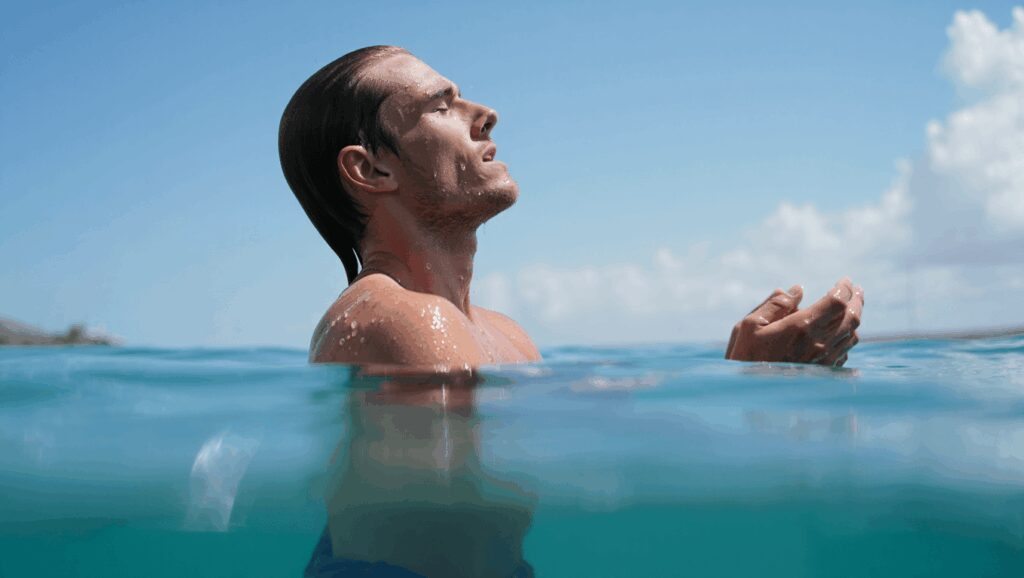
Vitomir Maričić held his breath for so long he could have watched an entire sitcom episode — commercials included — without drawing a single inhale. The Croatian freediver spent nearly half an hour submerged, a feat that captured headlines and raised questions about how far the human body can be pushed with training and technology.
Guinness World Records has officially validated the attempt, which combined elite conditioning and a pre-breathe of oxygen to stretch the limits of what a person can do while underwater. The accomplishment is as much a story of physiology as it is of discipline and risk.
The Growing Demand for Data-Driven Decision Making in Silicon Valley
He quit, ran out of money, and begged to come back — here’s how his boss reacted
What happened during the record-setting breath hold
Maričić set the Guinness-sanctioned time by remaining motionless on the bottom of a 3-meter pool for 29 minutes and 3 seconds. Unlike most publicized freediving feats, this one was in the “oxygen-assisted” category — a controlled method where the athlete breathes 100% oxygen before submerging. That step dramatically alters the body’s starting gas composition and is explicitly allowed in this record class.
Officials confirmed the attempt in late August after safety teams monitored the dive and verified the timing. Observers noted his stillness and controlled demeanor throughout the hold, which helped conserve the oxygen aboard his bloodstream and tissues.
Why breathing pure oxygen beforehand matters
Normal air is roughly 21% oxygen. When an athlete breathes pure oxygen, they saturate blood and tissues with far more available oxygen than usual. This pre-loading delays the point at which vital organs run critically low on usable oxygen during apnea (the absence of breathing).
- Pre-breathe phase: Typically lasts several minutes and is closely supervised to avoid complications.
- Improved oxygen reserves: More O₂ in the lungs and bloodstream means the body can maintain critical functions longer without inhaling.
- Category rules: Guinness separates oxygen-assisted records from no-assistance categories because the physiological starting point is different.
The physiology: why the urge to breathe is driven by CO₂, not lack of oxygen
Most people assume breathlessness equals running out of oxygen, but the body’s alarm system is more sensitive to carbon dioxide levels. As cells metabolize fuel, they release CO₂ into the blood. Rising CO₂ increases acidity and triggers powerful respiratory reflexes — the frantic contractions and panic that make you gasp.
Freedivers learn to tolerate higher CO₂ concentrations and the associated involuntary diaphragm spasms. This ability doesn’t eliminate the physiological signals, but it raises the threshold at which the brain forces a breath.
How the body adapts during long breath holds
- Peripheral vasoconstriction redirects blood to essential organs, preserving oxygen for the heart and brain.
- Bradycardia — a slowed heart rate — reduces oxygen consumption.
- Reduced muscular activity minimizes metabolic demand, helping to stretch the available oxygen supply.
Training, technique, and the mental game behind extreme apnea
Reaching extreme breath-hold times is not just about lung volume. Maričić’s record rests on years of conditioning that combine cardiovascular fitness, respiratory training, and psychological control.
- Breath training: Exercises that strengthen the diaphragm, increase vital capacity, and improve CO₂ tolerance.
- Cardio and recovery work: Endurance training and techniques that lower resting heart rate and improve oxygen efficiency.
- Mental strategies: Meditation-like focus and controlled thought patterns keep stress hormones low and limit unnecessary oxygen use.
During the attempt, remaining immobile was critical. Movement increases oxygen consumption, so the diver’s rigid stillness on the pool floor conserved the last measurable resources and bought vital minutes.
Risks, safety protocols, and why this is not something to try at home
Even with professional supervision, oxygen-assisted apnea carries hazards. Prolonged breath-holding can lead to shallow-water blackout, hypoxic brain injury, or cardiac events. Using pure oxygen before a dive also has potential side effects, such as oxygen toxicity at high partial pressures in certain environments.
- Blackout risk: Losing consciousness underwater is the most immediate and dangerous outcome.
- Long-term harm: Extended or repeated hypoxia may cause brain injury or other organ damage.
- Oxygen hazards: Improper use of 100% oxygen without supervision increases the chance of complications.
Experienced freedivers and medical professionals emphasize that these efforts require a team: safety divers, surface attendants, and precise medical oversight. The athlete who set the record emphasized that this was the result of years of professional preparation and is not a stunt for amateurs.
Record context and what this accomplishment reveals about human limits
Maričić has previously performed remarkable no-oxygen breath holds, but pairing pure-oxygen pre-breathing with elite apnea technique pushed his performance into new territory — approaching three times the length of some of his earlier personal bests. Beyond the headline number, the dive illustrates how training, physiology, and controlled use of oxygen can dramatically extend human capability.
Scientists studying apnea, as well as the freediving community, view such record attempts as data points about how the body conserves resources, tolerates stress, and adapts to hypoxic conditions. Still, experts repeat a common refrain: record-setting attempts are tightly managed experiments, not everyday challenges for recreational swimmers or casual thrill-seekers.
You might also like:
- 82-year-old runner has the health of a man in his 20s: how he stays so fit
- Police deputy performs emergency baby delivery during routine call, praised
- Pigeon rescued by firefighters after walking up for oxygen to clear its lungs
- MS: high-altitude yak gene protects and repairs myelin in early study
- Stem cell breakthrough could restore sight for blind people by repairing retinal vessels

William Anderson is a multimedia producer specializing in videos, podcasts, and interactive galleries. With five years of immersive content creation, he turns information into a rich audio‑visual experience. His storytelling skills draw you directly into the heart of every story, on any platform.


Man, 29 minutes without taking a breath? I can barely hold it for 29 seconds during a boring meeting! Thats some next-level lung power. Wonder if I can apply this to hold my breath longer at the pool… *dives into research*
Hold up, 29 minutes without a breath? I struggle to survive a 29-second yawn marathon at work meetings! Man, that lung power is on another level. Imagine rocking the pool with that breath control! *dives into research*
So, this freediver breaking records holding breath for nearly half an hour?! I can barely last a minute without gasping for air during swimming. Must be a secret mermaid or something!
I used to think holding my breath for a minute was a big deal, but 29 minutes?! Thats like a whole Netflix episode plus bathroom breaks. My lungs are feeling inadequate right now.
Man, I tried holding my breath while simmering pasta once, barely made it past 30 seconds before gasping for air like a fish outta water. This record-setting freediver’s lung capacity baffles me, like, is he secretly part-dolphin or what?
I used to think my 2-minute showers were impressive, then I read about this freediver holding their breath for 29 minutes. Like, what?! My lungs need an upgrade or something. Hats off, but dang, thats a whole new level.
Man, talk bout lung power! Reminds me of that time I held my breath tryna impress a crush… for like 20 seconds. *facepalm* Guess I need more than just oxygen to break records like that!
I once tried holding my breath for a minute and felt like I was gonna pass out! 29 minutes? I cant even imagine. The human body is a crazy thing!
Yo, did yall see that freediver holding their breath for like 29 minutes? Thats some next-level stuff right there! I can barely hold my breath for 29 seconds without panicking. Like, how do they even do it? Mind blown!
29 minutes holding breath? I can barely make it through a two-minute TikTok video without gasping. Respect to that diver! Wonder if they ever get the urge to answer some underwater telemarketer calls during those long holds.
Yall ever tried to hold your breath for more than a minute? I remember my childhood attempts, barely hitting 30 seconds! This freedivers 29 minutes is straight-up mind-blowing. How does the body even do that? Crazy cool stuff!
Man, that breath-hold record got me thinking about my last underwater dive! 29 minutes is insane! Can you imagine the focus and training it takes? My lungs ache just thinking about it!
I once held my breath for a minute and thought I was a champ, but 29 minutes? Thats next-level. Cant even imagine the discipline and control needed for that. My lungs ache just thinking about it!
Oh man, I feel ya! I once tried to break a record for the longest burp (dont ask) but gave up after 10 seconds. 29 minutes holding your breath? Thats some superhero level stuff right there. My lungs would probably throw in the towel after 29 seconds, let alone minutes. Hats off to that lung champ!
I once held my breath trying to impress a crush, barely lasted a minute! 29 minutes, though? Thats some next-level stuff. Makes you wonder what other superhuman feats our bodies are capable of, right?
Oh man, I feel ya! I once tried to show off by juggling oranges and ended up dropping them all over the place. It was a mess! But hey, 29 minutes holding your breath? Thats some serious dedication right there. Our bodies are like hidden superheroes, huh? Wonder what other crazy tricks theyre hiding up their sleeves!
Whoa, hold up! 29 minutes without taking a single breath? That’s some next-level superhuman stuff. I mean, I can barely hold my breath for half a minute without feeling like I’m gonna pass out. Seriously, major respect to that freediver!
Man, I remember trying to hold my breath for a minute as a kid and thinking I was a superhero. 29 minutes?! Thats some next-level stuff right there. I can barely make it through a boring Zoom meeting without gasping for air.
Dude, holding your breath for 29 minutes is straight-up legendary! I feel you on the Zoom meetings though, theyre like a marathon for the lungs. Maybe we should all start training to be the next breath-holding superheroes instead of enduring those endless virtual yawns, right?