
Show summary Hide summary
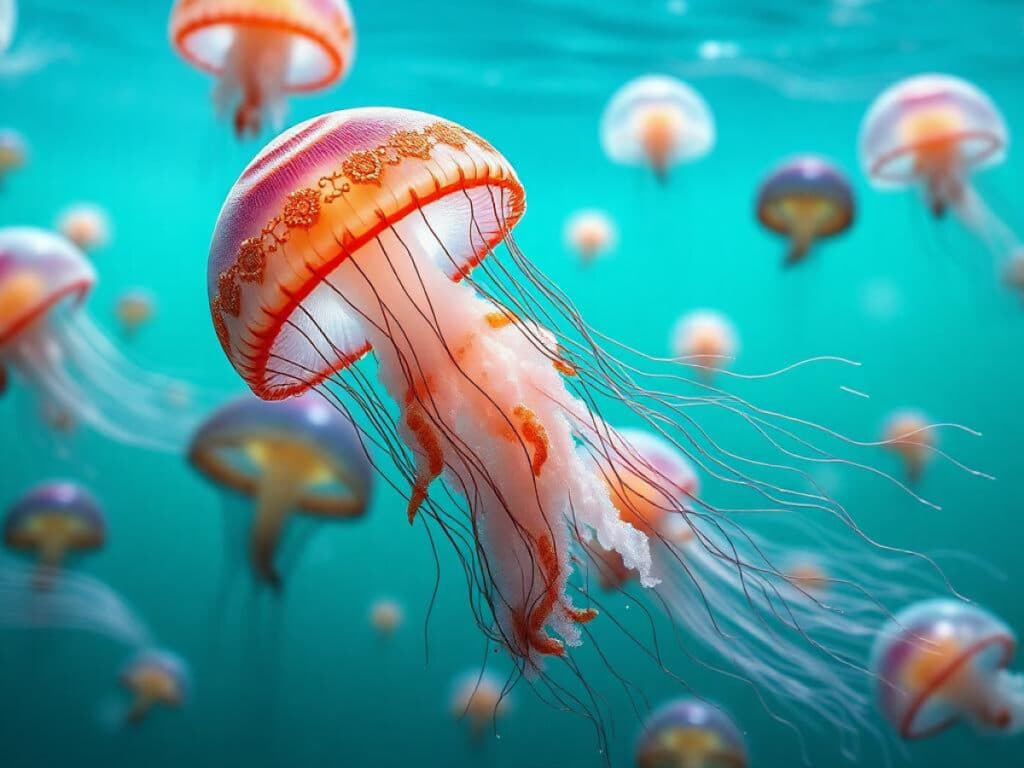
In the saga of nature versus human technology, the underdog often provides the most surprising twists. Picture this: a fleet of jellyfish, creatures so simple and ethereal that they are nearly 95% water, have halted operations at one of Europe’s largest nuclear facilities. No, this isn’t the plot of an environmental thriller; it’s a real incident that unfolded at the Gravelines Nuclear Power Station in France. This event underscores a fascinating ecological challenge and serves as a peculiar testament to the power of nature in our heavily mechanized world.
The Unexpected Shutdown
Over a recent weekend, the Gravelines Nuclear Power Station, situated along the northern coast of France, faced an unusual crisis. This facility, which plays a crucial role in the European power grid, utilizes seawater from the North Sea for cooling its reactors. Naturally, this area is also a thriving habitat for various species of jellyfish, particularly during the warmer months. What happened next was almost cinematic: a massive swarm of these gelatinous sea creatures clogged the plant’s cooling system, leading to the automatic shutdown of four out of its six reactors.
How Jellyfish Cause a Nuclear Standstill
Jellyfish may seem unlikely culprits for disrupting advanced human technology, but their unique biological makeup makes them surprisingly effective at it. Their bodies can effortlessly slip through intake filters designed to keep marine life out. Once inside, they can accumulate and block water flow, prompting safety protocols that automatically shut down the reactors to prevent overheating.
The Growing Demand for Data-Driven Decision Making in Silicon Valley
He quit, ran out of money, and begged to come back — here’s how his boss reacted
Jellyfish and Nuclear Plants: A Global Phenomenon
While the incident at Gravelines might sound unusual, it’s not the first time jellyfish have been known to halt operations at nuclear power plants. Similar shutdowns have occurred in various locations around the globe, including Scotland, Sweden, Japan, and Israel. Some of these instances also took place in the year 2011, the same year as the catastrophic Fukushima nuclear disaster. This recurring problem highlights a broader issue of how marine life interacts with maritime industrial facilities, which often overlook the ecological dynamics of their surroundings.
Previous Encounters and Environmental Considerations
- Scotland and Sweden: Both countries faced temporary reactor shutdowns due to jellyfish blockages in 2011, echoing the challenges at Gravelines.
- Japan and Israel: These nations have also reported similar issues, with jellyfish affecting cooling systems at their nuclear facilities.
Looking Ahead: Adapting to Marine Challenges
The repeated incidents of jellyfish-induced shutdowns at nuclear power plants call for a reevaluation of how these facilities coexist with marine ecosystems. Engineers and ecologists must work together to design more effective solutions that can prevent such occurrences in the future without harming marine life or compromising the efficiency of the cooling systems.
In conclusion, the humble jellyfish, with its simple structure and ghost-like appearance, has shown that even the most unassuming creatures can have a significant impact on sophisticated human technologies. As we continue to harness natural resources for industrial purposes, these incidents serve as a reminder of the delicate balance between technological advancement and environmental stewardship. The jellyfish, it seems, are not just passive inhabitants of our oceans but active participants in the dialogue between humanity and the natural world.
You might also like:
- Not a jellyfish: this TikToker licked a deadly Portuguese man o’ war and barely survived
- Big Tech data center problem: rising energy costs and community backlash
- No electricity, no complex tech: this new cooling system drops 25°C to 3.6°C in 20 minutes
- Trump threatens Kharg Island invasion and nuclear option in Iran
- Nuclear plant worker falls into reactor pool and survives

William Anderson is a multimedia producer specializing in videos, podcasts, and interactive galleries. With five years of immersive content creation, he turns information into a rich audio‑visual experience. His storytelling skills draw you directly into the heart of every story, on any platform.

