Show summary Hide summary
- Why thumb arthritis can be so disabling
- How the new CMC implant works and why it’s different
- Surgery, recovery, and what patients can expect
- Benefits observed in clinical use and patient outcomes
- Who should consider the implant and what alternatives exist
- Surgeon experience and patient reports from the clinic
For millions living with crippling pain at the base of the thumb, a new implant is changing what recovery looks like. Instead of removing bone and waiting months for strength and range of motion to return, surgeons are now offering a small, ball‑and‑socket prosthesis that restores movement more quickly and with less early discomfort.
Developed in Switzerland and recently cleared for wider use in the United States, the device is being described by surgeons as a “mini hip” for the thumb — a familiar joint‑replacement concept shrunk to fit one of the hand’s most important joints.
Why thumb arthritis can be so disabling
The Growing Demand for Data-Driven Decision Making in Silicon Valley
He quit, ran out of money, and begged to come back — here’s how his boss reacted
Carpometacarpal (CMC) osteoarthritis affects the joint where the thumb meets the wrist and can make basic tasks — opening jars, turning keys, holding a phone — painful or impossible. The disease often progresses to “bone‑on‑bone” contact, where the cartilage has worn away and bone surfaces grind against one another.

Beyond pain, the condition commonly reduces pinch strength and fine motor control, interfering with work, hobbies, and daily routines. For many people the disability is gradual, but the impact on quality of life can be dramatic.
How the new CMC implant works and why it’s different
The CMC Touch 1 prosthesis, produced by KeriMedical, replaces the damaged joint surfaces with a compact ball‑and‑socket implant designed to mimic natural thumb mechanics. Unlike traditional reconstruction, the procedure does not remove the small trapezium bone at the base of the thumb.
- No bone removal: The implant is seated without excising the trapezium, preserving native anatomy and immediate stability.
- Ball‑and‑socket design: Converts the thumb’s saddle‑type joint into a spherical articulation that reduces painful bone contact.
- Familiar surgical approach: Surgeons use techniques similar to small joint arthroplasty, shortening the learning curve.
Surgery, recovery, and what patients can expect
The operation is performed as an outpatient procedure and typically lasts under an hour. Because the bone is left intact, the early recovery is far less restrictive than with older techniques.

Typical timeline after surgery
- Procedure length: About 45 minutes in most cases.
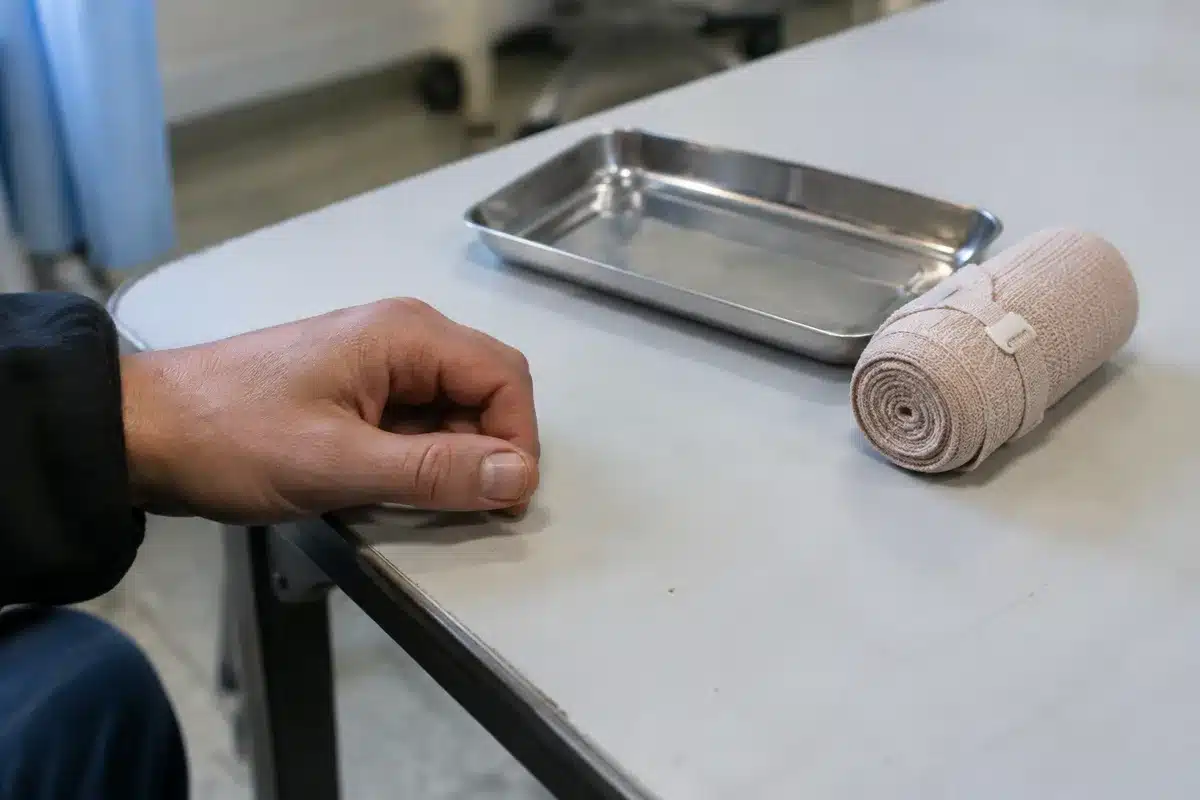
- Immediate dressing: Patients commonly leave the operating room with only an ACE wrap rather than a full cast.
- Stitches: Removed around two weeks post‑op; once out, normal showering and hand wetting are allowed.
- Early motion: Many patients regain near‑normal motion within two to three weeks.
That contrasts with the traditional trapeziectomy and ligament reconstruction, which often requires six weeks in a splint or cast and a full recovery that can extend from six to nine months.
Benefits observed in clinical use and patient outcomes
Early clinical experience and trial data indicate meaningful gains in pinch and grip strength and faster return to function. Surgeons report patients often have substantially less pain in the weeks after surgery than would be expected with older procedures.
- Quicker return of motion and strength
- Reduced immediate postoperative pain
- Outpatient care with a short procedure time
- Durable performance reported in early follow‑up
More than 130,000 procedures using this design have been performed in Europe, and the technology is gaining traction in the U.S. after regulatory clearance. Early adopters emphasize that the implant translates the same engineering advances that have improved knee and hip replacements down to a much smaller joint.
Who should consider the implant and what alternatives exist
Surgeons stress that joint replacement is generally reserved for patients with advanced CMC arthritis who have not found lasting relief from conservative care. Typical non‑surgical options include:
- Bracing and splinting
- Hand therapy and strengthening exercises
- Corticosteroid injections or other pain‑management injections
If these measures fail to control pain and restore function, the implant can be considered. Current evidence suggests that in most patients the device will remain functional for many years, even in people who use their hands frequently for work or sports.
Surgeon experience and patient reports from the clinic
Orthopedic specialists trained in the procedure note a striking difference in early recovery compared with historical expectations. Patients who would traditionally reach full motion after several months are demonstrating comparable movement within weeks, and many experience substantial pain relief almost immediately.
Clinicians emphasize that the implant is an additional option — not a first step — and recommend exhausting conservative therapies when appropriate. For those who need it, the prosthesis offers a more predictable and faster road back to the hand function required for everyday life.
You might also like:
- Osteoarthritis reversal within months: simple shot shows promise after animal trials
- Tooth implanted in 34-year-old’s eye restores vision after 20 years
- Personality test: what your thumb shape secretly reveals about you
- This simple post-60s exercise boosts mobility better than walking or running
- Prosthetic leg found after 10 months at sea: woman thrilled

Michael Thompson is an experienced journalist covering U.S. and global news. With ten years on the front lines, he breaks down political and economic stories that matter. His precise writing and keen attention to detail help you grasp the real‑world impact of every event.