
Show summary Hide summary
- Key changes proposed and why they matter
- How civil liberties organizations and legal experts are reacting
- Political motivations and the narrative from government
- Practical risks and unintended consequences
- Possible safeguards and policy alternatives
- Voices from communities and frontline professionals
- What to watch next in Parliament and the courts
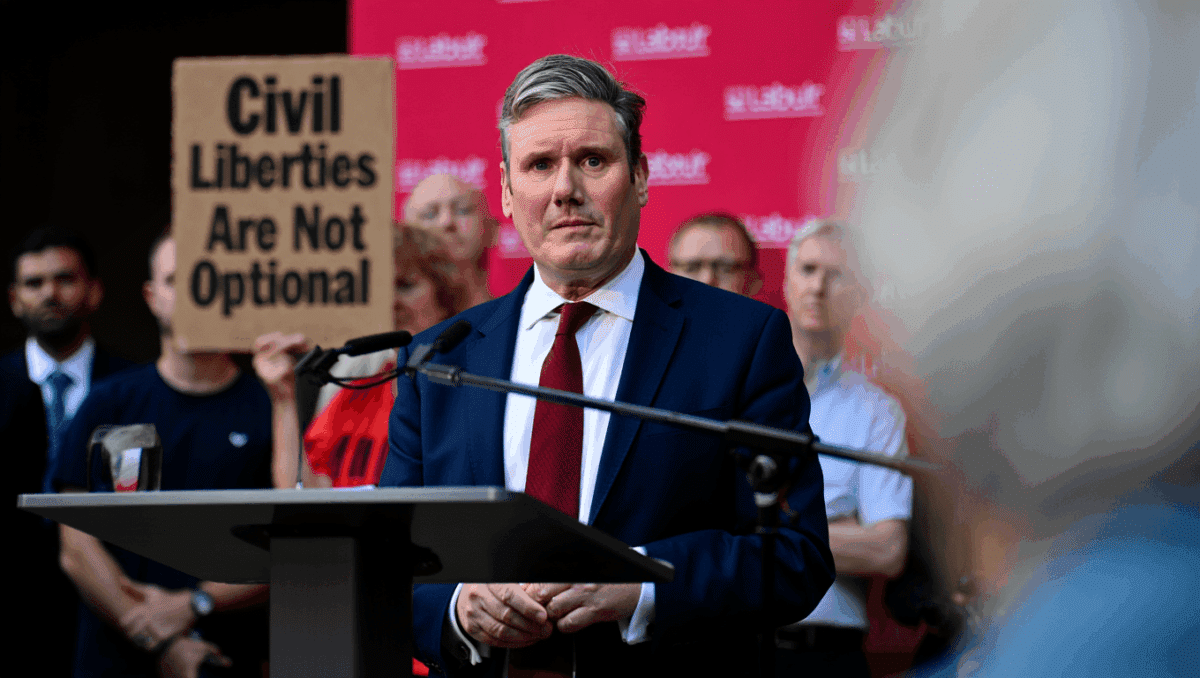
Keir Starmer’s administration is advancing a slate of measures it says will modernize policing, tighten national security, and restore public order. For many citizens and rights groups, the package reads less like reform and more like a steady roll-back of long-standing protections for privacy and free expression — a shift that could reshape how people protest, communicate, and live in public spaces.
As these bills move through Parliament and public debate intensifies, the discussion has become a clash of narratives: government officials promising safety and efficiency, while civil liberties advocates warn of sweeping powers with weak checks. The stakes are both practical and constitutional — affecting everyday life, digital privacy, and the balance between state authority and individual freedom.
Key changes proposed and why they matter
The Growing Demand for Data-Driven Decision Making in Silicon Valley
He quit, ran out of money, and begged to come back — here’s how his boss reacted
Expanded surveillance and data collection
Legislation under review would broaden the state’s ability to collect and access communications and location data. Supporters frame this as an update for the digital age: better tools to trace criminals, intercept organized crime networks, and prevent terrorism. Critics counter that the language is too broad, potentially authorizing mass collection that sweeps up ordinary citizens’ information.
- Warrantless access concerns: Certain provisions lower the threshold for agencies to request bulk data, which rights groups say risks routine surveillance without meaningful judicial oversight.
- Retention rules: New retention periods for metadata could institutionalize long-term storage of people’s movements and contacts.
Stronger police powers and protest limits
The bills also include measures to expand police powers to disperse gatherings, impose conditions on demonstrations, and penalize behaviors deemed disruptive. While intended to tackle illegal or violent protests, critics warn these measures can chill peaceful dissent and grant officers excessive discretion.
- New offences tied to “serious disruption” are vaguely defined, raising questions about consistent enforcement.
- Enhanced stop-and-search powers and higher penalties for obstruction may disproportionately affect marginalized communities.
How civil liberties organizations and legal experts are reacting
Human rights groups, privacy advocates, and civil society organizations have mobilized quickly. Legal challenges are being prepared, public campaigns organized, and committees petitioned to scrutinize the bills more closely. Observers point to past rulings from domestic courts and the European Court of Human Rights that stress the need for proportionality and safeguards.
Arguments being used in court and public campaigns
- Proportionality test: Lawyers argue new powers must be balanced, necessary, and proportionate — not open-ended.
- Independent oversight: Calls for stronger watchdogs, reporting requirements, and sunset clauses to prevent permanent encroachment.
- Public awareness: Advocacy groups are using case studies and data to illustrate how surveillance disproportionately affects activists, journalists, and minority communities.
Political motivations and the narrative from government
The government frames these reforms as pragmatic responses to a backlog of crime, a surge in organized fraud, and sophisticated digital threats. Ministers argue that legal frameworks have lagged behind technological realities, leaving law enforcement ill-equipped.
Political calculus and timing
Observers note timing matters: tough-on-security stances can appeal to voters concerned about safety and disorder. Yet pushing through expansive powers without visible safeguards risks alienating civil libertarians and younger voters for whom digital privacy is a core issue.
Practical risks and unintended consequences
Even proponents concede that broad powers bring risks. The debate centers on two intertwined problems: how the laws will be implemented in practice, and what oversight will exist to prevent abuse.
- Chilling effect: When people fear surveillance or penalty for protest, they may self-censor, dampening public debate and democratic engagement.
- Data misuse: Large databases are attractive targets for hackers and may be repurposed for uses unrelated to the original intent.
- Disproportionate enforcement: Marginalized groups often bear the brunt of expanded policing powers, perpetuating cycles of inequality.
Possible safeguards and policy alternatives
There are concrete steps lawmakers could adopt to preserve public safety while protecting rights. Some of these measures are already being proposed by civil society and some backbench MPs.
- Introduce explicit sunset clauses so controversial powers lapse unless renewed after review.
- Mandate independent judicial authorization for certain types of data requests, not just internal approvals.
- Create stronger transparency rules: regular public reports, anonymized data audits, and community oversight panels.
- Limit the scope of protest-related offences to clearly defined, narrow harms to prevent overreach.
Designing oversight that works
Effective oversight requires both legal teeth and practical capacity. Suggestions include better-resourced ombudsmen, criminal penalties for misuse of powers, and clear channels for individuals to challenge intrusive actions in court.
Voices from communities and frontline professionals
Police chiefs, civil rights lawyers, tech industry figures, and activists offer diverging perspectives. Some policing officials say new tools would materially improve investigations; others worry about public trust eroding if measures are perceived as authoritarian. Journalists and human rights defenders emphasize the need to protect source confidentiality and avoid surveillance that chills investigative reporting.
- Frontline officers asked for clearer guidelines so discretion isn’t misapplied.
- Community leaders want independent review mechanisms to rebuild trust.
- Tech experts stress privacy-by-design and minimization standards for data handling.
What to watch next in Parliament and the courts
Bills are scheduled for debate and committee scrutiny in the coming weeks. Expect intense lobbying, amendments proposed by backbenchers, and potential legal challenges once any measures are enacted. Public demonstrations and targeted campaigns will likely aim to influence the legislative process and keep media attention focused on civil liberties issues.
Key milestones
- Committee hearings where experts and civil society will testify.
- Potential amendments that could introduce oversight or narrow definitions.
- Fast-tracked votes that may pressure opponents and leave less room for amendment.
The path these measures take will shape how the balance between safety and freedom is drawn for years to come, with implications for privacy, protest, and public life that extend far beyond political rhetoric.
You might also like:
- Digital ID threatens individual rights and personal privacy
- Hadush Kebatu exposes surveillance state flaws
- Digital ID won’t stop migrant boats
- ECHR exit needed to protect women’s rights, advocates say
- Miami police unveil self-driving, drone-launching patrol car

Robert Johnson is a dedicated columnist focusing on political and social debates. With twelve years in editorial writing, he provides nuanced, well‑argued perspectives. His commentaries invite you to form your own views and engage in critical issues.


Starmers civil liberties crackdown? Sounds like Big Brother is knocking! Hope someones watching the watchers. Cant have freedoms disappearing faster than my morning coffee, mate. Time to stir the pot and keep em in check!
Mate, Starmers civil liberties crackdown feels like a bad sequel to a mediocre movie. Are we heading towards a dystopian plot twist or what? Rights groups better stand firm against this script rewrite.
Man, Starmers really ruffling feathers with this liberty thing. Reminds me of that time at the pub when Dave tried to ban darts to protect the walls. Good luck, mate.
Man, Starmers crackdown on civil liberties? Thats like a bad remix of a song we never asked for. Rights groups gotta speak up before were all living in a dystopian movie. Time to grab the popcorn and watch this drama unfold.
Man, Starmers civil liberties thing? Its like when you give your little cousin a sip, and suddenly theyre chugging your soda. Makes you wonder where this road leads, yknow? Gotta stay woke on these moves.
Mate, Starmers gone full Big Brother on us! Cameras everywhere, snooping on protests, flexin police powers. Feels like were in a dystopian flick, not real life. Civil liberties out the window, huh? Whats next, mandatory Thought Police?
Man, Starmers really stirring the pot with civil liberties. Feels like walking on eggshells these days. Wonder if this crackdowns a misstep or a necessity? Got me feeling some kinda way.
I remember when civil liberties were like a sacred shield, now its feeling like a sieve. Starmers crackdown has me side-eyeing hard. Its a slippery slope were on, folks.
Man, Starmers veering into murky waters with those civil liberties changes. Feels like were treading on thin ice, yknow? Gotta keep a close eye on how this all pans out. Rights groups arent gonna stay quiet on this one.
Oh, mate, totally get what you mean – Starmers playing with fire on this one. Its like a slippery slope, innit? Gonna be a bumpy ride keeping tabs on how this unfolds. Those rights groups wont be sitting back quietly, thats for sure. Its gonna be one heck of a showdown!
Man, Starmers going all out with these civil liberties changes. Its like watching a car crash in slow motion, you know? Wonder whats next on the governments hit list. Keep your tin foil hats handy, folks.
Man, Starmer’s civil liberties move is like watching a slow-motion car crash. Rights groups ain’t having it, and for good reason. Feels like we’re trading freedom for control. Anyone else getting major dystopian vibes here?
Mate, Starmers civil liberties move? Its like a train wreck in slow motion, innit? Rights groups aint feeling it, and who can blame em? Trading freedom for control? Sounds like a recipe for a dystopian disaster. Anyone else smell trouble brewing here?
Man, Starmers moves got rights groups sweatin. Its like were all in a big chess game, but whos playing fair? Gotta keep an eye on these power shifts or well end up checkmated.
Man, youre spot on about the chess game vibes with Starmers moves lately. Its like were all pawns on this massive board, wondering whos really calling the shots. Better keep those peepers peeled for any sneaky power plays; nobody wants to end up in a checkmate situation, am I right?