
Show summary Hide summary
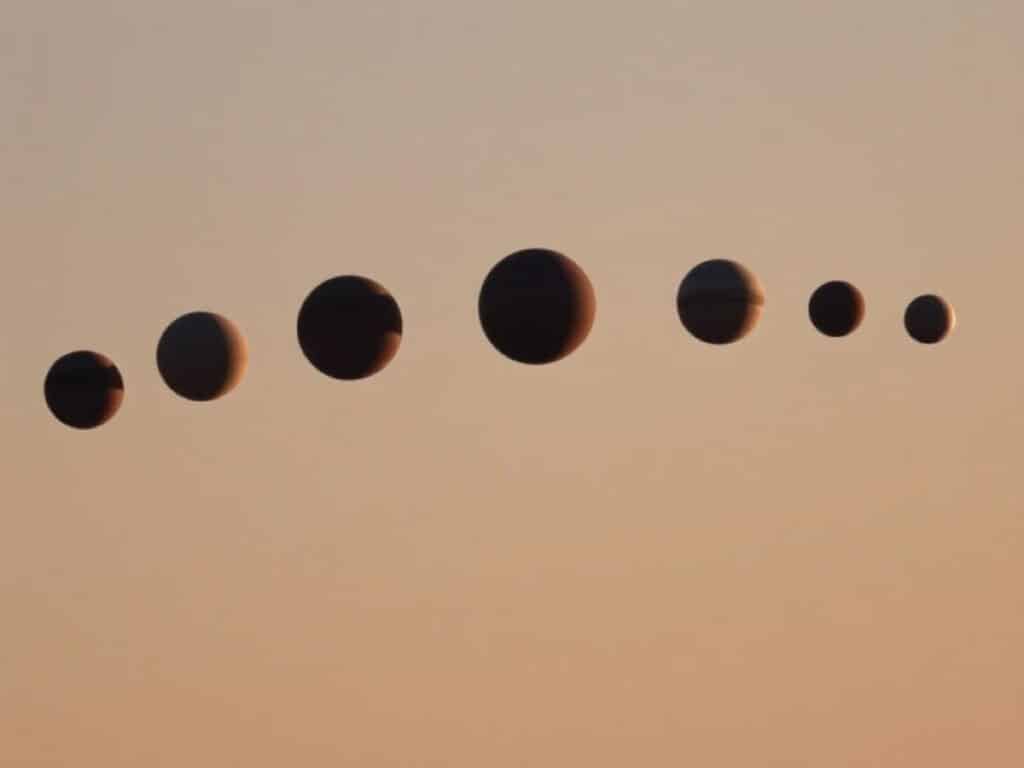
As the curtains rise on the final celestial performance of the year, the cosmos beckons the night owls and early risers to a spectacular display. Imagine a line-up where six of our solar system’s planets—Mercury, Venus, Jupiter, Saturn, Uranus, and Neptune—align gracefully in the pre-dawn skies. This rare event, starting Sunday, August 17, promises to be an awe-inspiring sight that extends through Wednesday, August 20. Unlike the terrestrial parades we’re familiar with, this cosmic procession, dubbed a “planet parade” by astronomers, requires a bit more than just showing up—you might need a telescope to catch the full array of participants.
During this period, the brightest players, Venus and Jupiter, along with Saturn, will be visible to the naked eye, dominating the celestial stage. Venus will outshine others, gleaming brilliantly above the horizon, with Jupiter’s massive presence nearby and Saturn maintaining a slight, dignified distance. Mercury, the swift-footed messenger, will play its part close to the horizon, catching the early rays of the sun. But to spot the distant ice giants, Uranus and Neptune, stargazers will need to arm themselves with a decent telescope, as these elusive characters tend to blend into the backdrop of the vast universe.
Highlights of the Celestial Show
The Visible Trio
The Growing Demand for Data-Driven Decision Making in Silicon Valley
He quit, ran out of money, and begged to come back — here’s how his boss reacted
- Venus and Jupiter: These two will be the stars of the show, quite literally, as they shine brightly high in the sky.
- Saturn: Not to be outdone, Saturn will be easily identifiable, albeit a bit more reserved in its appearance.
Challenge of Spotting the Ice Giants
- Uranus: Positioned between Jupiter and Saturn, spotting Uranus will be a rewarding challenge for those with telescopes.
- Neptune: Closer to Saturn, Neptune will also require a good telescope to view, appearing as a faint dot near its giant neighbor.
When to Watch the Planetary Alignment
For the optimal viewing experience, enthusiasts should plan to observe the skies about an hour before sunrise from August 17 to August 20. The alignment will be most visible in the eastern sky, where the planets will rise sequentially before the sun. The event offers a perfect opportunity for photographers and sky watchers alike to capture a unique astronomical event where the planets align in a rare display of cosmic synchrony.
Best Day for Full Viewing
Mark your calendars for August 19, when all six planets will be visible. This will be your best opportunity to witness and perhaps capture the complete lineup. Post this date, Mercury will begin its descent back towards the sun, gradually fading from view.
Additional Celestial Treats
Adding to the spectacle, the waning crescent moon will join the assembly on the mornings of August 17 and 18, positioning itself just above Jupiter and Venus. This arrangement will not only enhance the beauty of the scene but also provide a picturesque frame almost akin to a celestial postcard. By August 19 and 20, the crescent moon will shift closer, creating an intimate grouping with the planets as seen from Earth.
This month’s orchestration of planetary positions offers a fleeting glimpse into the dynamic and ever-changing nature of our solar system. Each planet, following its path, comes together in a brief alignment before continuing on its orbit, reminding us of the transient yet recurring wonders of the universe. For those willing to sacrifice a bit of sleep, this celestial event promises a memory that could last a lifetime.
You might also like:
- Planets align this week: how to see the planet parade in the night sky
- Taureans, Scorpios, Pisces: this rare cosmic event is about to upend your life
- Exoplanet magnetospheres detected for first time, opening new window on planets
- Saturn mystery solved by astronomers
- Texas ranch raises telescopes for remote dark-sky viewing by urban stargazers

William Anderson is a multimedia producer specializing in videos, podcasts, and interactive galleries. With five years of immersive content creation, he turns information into a rich audio‑visual experience. His storytelling skills draw you directly into the heart of every story, on any platform.

