
Show summary Hide summary
- Exact timing across U.S. time zones — when to look on March 3
- Why the moon turns red — the science behind the “blood moon”
- How long the eclipse lasts and what phases to expect
- Where in the U.S. will see the full eclipse — and where it will be cut short
- Viewing tips, safety, and what to bring
- Why this eclipse is notable in the near-term calendar
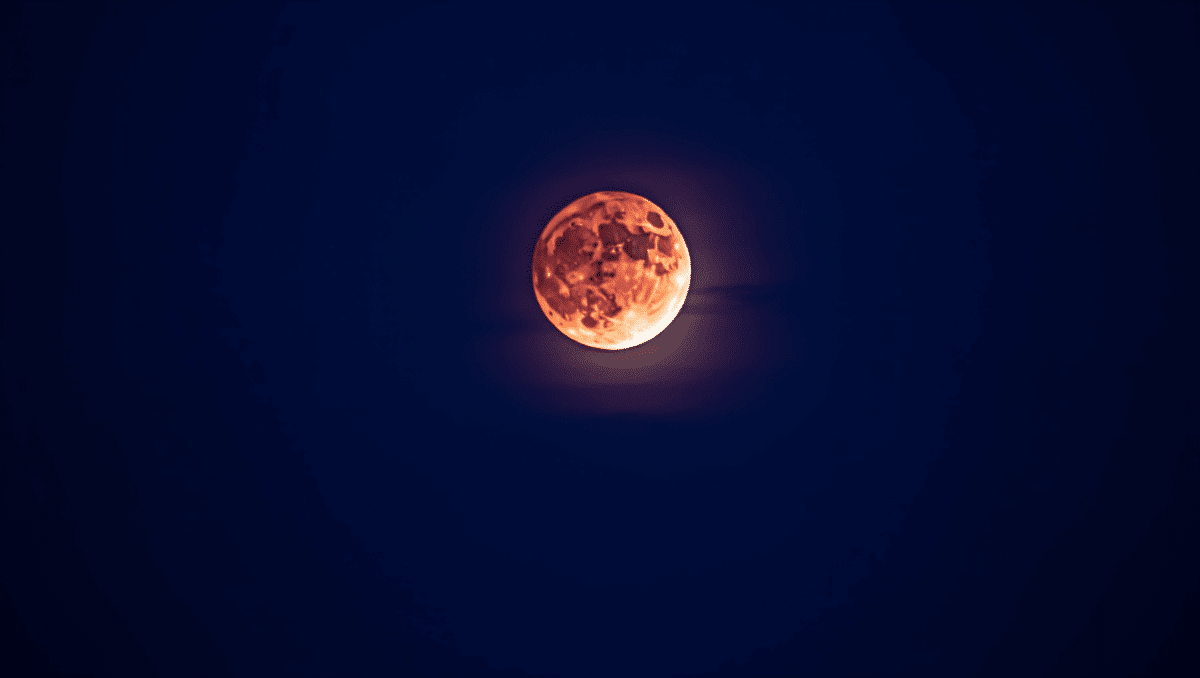
Set your alarm if you want to catch a rare early-morning spectacle on March 3: a full lunar eclipse that turns the moon a deep copper-red as it slips through Earth’s shadow. It’s an easy-to-see celestial event — no telescope required — but it arrives before dawn for most Americans, and parts of the country will only glimpse fragments of the show.
This “blood moon” is brief but dramatic. For viewers in the right locations, the sky will dim and the moon will take on red tones for about an hour; for others, the sight will be cut short by the moon setting. Check the timing for your time zone and the forecast so you don’t miss it.
Exact timing across U.S. time zones — when to look on March 3
The Growing Demand for Data-Driven Decision Making in Silicon Valley
He quit, ran out of money, and begged to come back — here’s how his boss reacted
The moment of totality — when the lunar disk sits entirely inside Earth’s darkest shadow — lasts just under an hour, but the entire eclipse sequence stretches for hours. Below are the approximate totality windows for U.S. time zones, based on TimeandDate.com estimates. Keep in mind: the moon may set during those times in eastern locations.
- Eastern Time: totality roughly 6:04–7:02 a.m. (moon may set during this interval)
- Central Time: totality roughly 5:04–6:02 a.m.
- Mountain Time: totality roughly 4:04–5:02 a.m.
- Pacific Time: totality roughly 3:04–4:02 a.m.
- Alaska and Hawaii: totality occurs even earlier in the pre-dawn hours
Why the moon turns red — the science behind the “blood moon”
When Earth blocks direct sunlight from striking the moon, the only light that reaches the lunar surface has traveled through Earth’s atmosphere. That atmosphere scatters shorter wavelengths of light — blues and greens — while bending longer red wavelengths toward the moon. The effect is similar to the red and orange hues you see at sunset and sunrise. The result is a coppery, sometimes deep-red glow that can give the moon an eerie, dramatic appearance.
How long the eclipse lasts and what phases to expect
The event has several stages, and the most visually striking moment is the period of totality:
- Penumbral phase: The moon first enters Earth’s outer shadow; subtle shading may be hard to notice at this stage.
- Partial eclipse: The darker inner shadow begins to bite into the lunar disk, producing a clear curved shadow.
- Totality: The moon is fully immersed in Earth’s umbra and may take on red tones. This is the phase that lasts about 58 minutes.
- Exit phases: The sequence runs in reverse as the moon leaves the inner then outer shadows. From the first touch of penumbra to the final exit, expect roughly five and a half hours of eclipse activity.
Where in the U.S. will see the full eclipse — and where it will be cut short
Geography matters. Viewers west of the Mississippi River are most likely to witness the entire progression from start to finish. Along the West Coast and in Hawaii the moon will sit higher in the sky during totality, offering a long look at the red phase. In eastern cities such as New York and Boston, the moon will be setting while totality is underway, which can abruptly end the sighting.
- Best chance to see full totality: West Coast, Hawaii, much of the Mountain and Pacific time zones.
- Partial viewing or truncated totality: Central Time areas may see most of it, depending on local horizon and timing.
- Likely cut short: Eastern Time regions where the moon sets during totality.
Weather: the deciding factor
Cloud cover will determine whether you get to see the eclipse at all. Clear skies make the Southwest U.S. and parts of northwest Mexico especially favorable; even scattered clouds can obscure the view. Have a backup spot with a clear horizon if possible, and check short-term cloud forecasts the night before.
Viewing tips, safety, and what to bring
One of the perks of a lunar eclipse is that it’s safe to watch with the naked eye — unlike solar eclipses. Still, a few practical tips will improve the experience:
- Bring a blanket or chair for comfort during the multi-hour event.
- Use binoculars or a small telescope for a closer, more detailed view of the lunar surface during partial phases.
- Check local moonset times and weather forecasts so you won’t be surprised by the horizon or clouds.
- Plan to be outside well before totality begins to let your eyes adjust to the dark sky.
Why this eclipse is notable in the near-term calendar
This total lunar eclipse is the first one since September 2025 and the next won’t arrive until the end of 2028, when another total lunar eclipse is expected on New Year’s Eve. That makes March 3 a rare opportunity — miss it, and you’ll be waiting several years for another comparable event.
You might also like:
- Partial solar eclipse this weekend: when, where and how to see it
- Asteroid could hit the moon in 2032: what we know
- NASA moon mission 2026: first crewed lunar mission in 50 years
- Mysterious “Second Moon” Revealed: Hidden for 60 Years, Now Uncovered!
- 5 zodiac signs see their money surge: here’s how the Pisces full moon changes everything

William Anderson is a multimedia producer specializing in videos, podcasts, and interactive galleries. With five years of immersive content creation, he turns information into a rich audio‑visual experience. His storytelling skills draw you directly into the heart of every story, on any platform.


Man, I remember staying up late with my buddies to catch a blood moon years ago. The eerie beauty of it all, like watching a cosmic magic show. Cant wait to see it again this time!
Oh, I remember staying up late with my grandpa to catch a blood moon eclipse. It was like watching the universe put on a show just for us. Cant wait to relive that magic on March 3!
Man, I remember staying up late with friends to catch that blood moon eclipse years ago. It was like watching a cosmic mystery unfold before our eyes. Cant wait to witness it again this time!
Man, I remember when I stayed up all night to catch that blood moon eclipse. It was like the universe putting on a free show just for us. Cant wait to witness it again!
Man, I remember last time I tried to catch a blood moon, clouds decided to play hide and seek. Hope this time they give us a break so we can enjoy the lunar show properly. Fingers crossed for clear skies!
I remember last time I tried to catch a blood moon, clouds ruined the show! Hope this time I get lucky. Cant wait to witness that eerie red glow painting the night sky. Natures own light show, you know?
I remember my grandpa rambling about eclipses like he was a wizard or something. Got me curious. Maybe Ill channel his enthusiasm and check out this blood moon show. Who knows, might get some of that ancient wisdom vibe.
Dude, remember that time we stayed up all night to catch the blood moon? The science behind it is wild. Cant wait for this eclipse, gonna be epic!
Oh man, I remember the last blood moon! I set my alarm, dragged my sleepy self outside, and it was worth it! Cant wait for this one, gonna be epic. Time to channel my inner werewolf vibes!
Man, I remember last time I tried to catch a blood moon eclipse, clouds ruined the whole show! Hope this time the sky cooperates. Gonna set my alarm and keep my fingers crossed for clear skies!