Show summary Hide summary
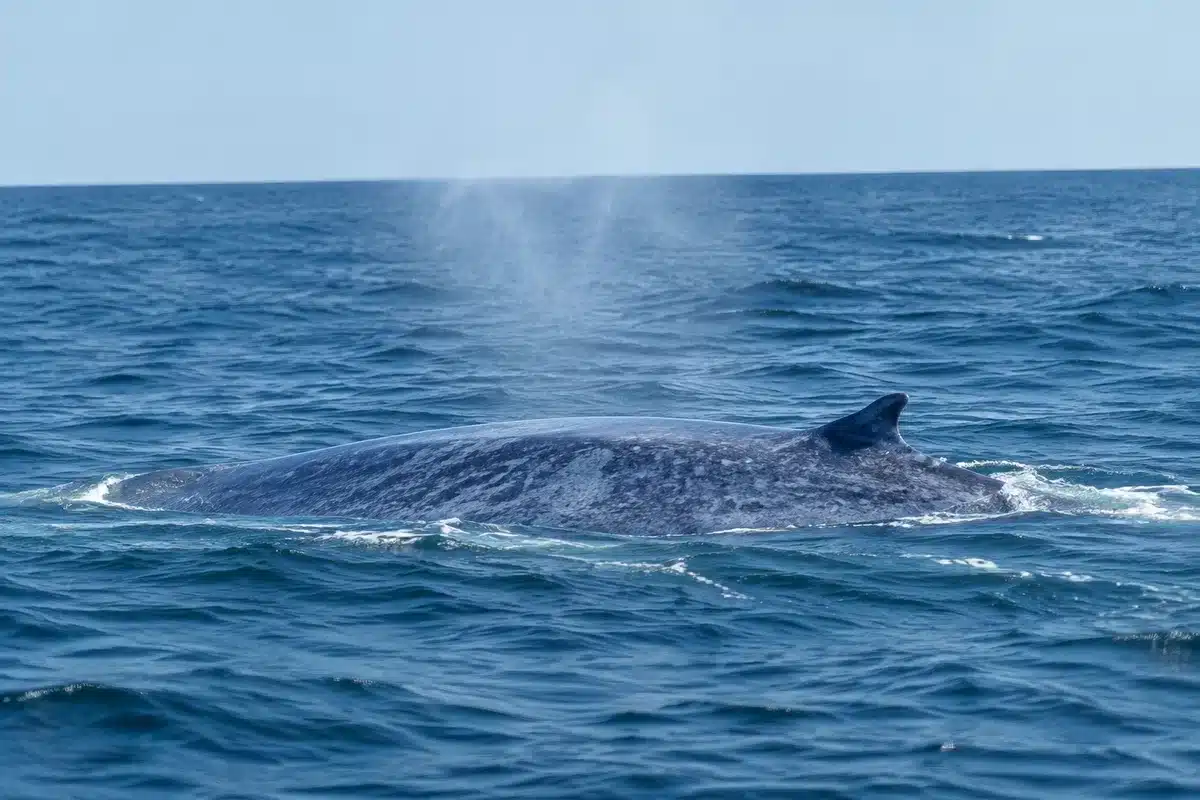
Antarctic blue whales are making a comeback in the Southern Ocean. When illegal whaling ended in 1973, an estimated 418 remained. A new analysis puts the population at 4,018, nearly 10 times that earlier estimate. For an animal that typically has just one calf about every three years, that rise represents decades of gradual recovery.
The numbers also reflect a challenge that has little to do with the whales’ size. Antarctic blue whales are the largest animals known to have lived, yet they spend much of their time underwater, out of sight even when researchers know where to look. To estimate how many had returned, scientists had to piece together evidence collected across the Southern Ocean over several decades.
How scientists counted Antarctic blue whales
Zoe Rand, a postdoctoral scholar at the University of Washington’s School of Marine and Environmental Affairs, led the study. The team drew on three sources that offered different views of the population, from records kept during the whaling era to sightings collected long after it ended:
The Growing Demand for Data-Driven Decision Making in Silicon Valley
He quit, ran out of money, and begged to come back — here’s how his boss reacted
- Historical catch records documented the whales removed from the population.
- Photo identification records helped researchers recognize individual whales across sightings.
- Ship-based surveys recorded where whales appeared and how far they were from the survey vessel.
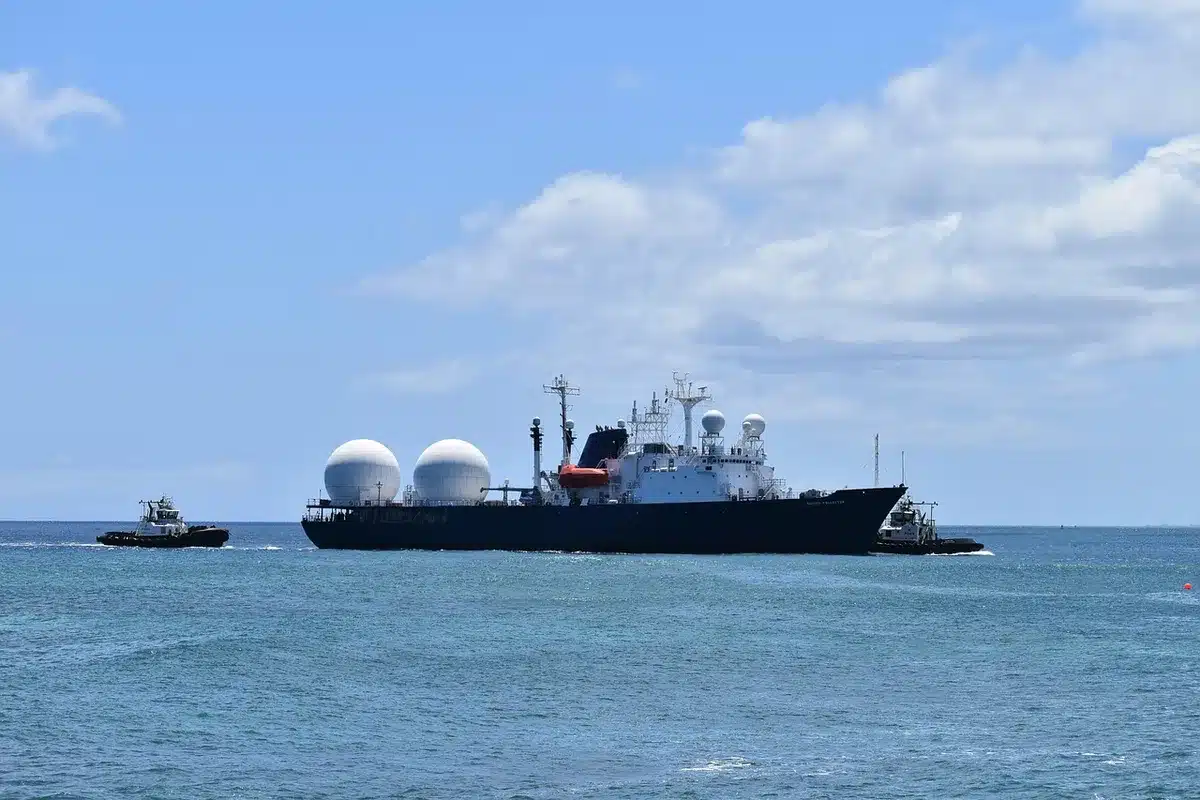
The ship surveys covered the Southern Ocean in three separate periods: 1978 to 1984, 1985 to 1991, and 1991 to 2004. Crews followed straight routes, known as line transects, and logged both the whales they saw and their distance from the ship. Those distances helped researchers account for the fact that whales are harder to spot farther from the survey route. The estimate of 4,018 is therefore not a head count but a reconstruction based on multiple lines of evidence.
Why a nearly tenfold increase still leaves whales at risk
The International Whaling Commission banned the hunting of Antarctic blue whales in 1964, but illegal catches continued until 1973. Since then, the population has grown at an estimated average rate of 4.5% per year. That pace can add up over decades, even for a species that reproduces slowly.
The starting point matters, though. The population was so depleted by the end of whaling that it remains a fraction of its former size despite the gains. The International Union for Conservation of Nature lists the Antarctic blue whale subspecies as critically endangered. The increase shows how far the population has come, while the small number of whales left in 1973 helps explain why recovery is still measured in decades.
What more blue whales mean for the Southern Ocean
Rand described blue whales as ecosystem engineers because their influence extends well beyond the prey they eat. Their waste returns nutrients to the water, where other organisms can use them. Even after a whale dies, its body can support marine life: A carcass that sinks to the seafloor provides food and habitat for deep-sea organisms, long after the whale last surfaced.
You might also like:
- Blue and fin whale sightings increase, offering new hope for survival
- North Atlantic right whale population slowly increasing, scientists say
- Endangered whale spotted in Ireland migrates to US, baffling scientists
- World’s largest whale graveyard teems with deep-sea life including species unknown to science
- Older male whales’ singing boosts mating success, study finds

Michael Thompson is an experienced journalist covering U.S. and global news. With ten years on the front lines, he breaks down political and economic stories that matter. His precise writing and keen attention to detail help you grasp the real‑world impact of every event.