
Show summary Hide summary
- Population rise on the Mekong: what the new calves mean
- How local beliefs protect river dolphins
- Primary threats: nets, dams, and accidental entanglement
- Conservation strategies working in Cambodia
- Scientific perspective: recovery is possible but fragile
- River dolphin efforts across Asia: lessons and parallels
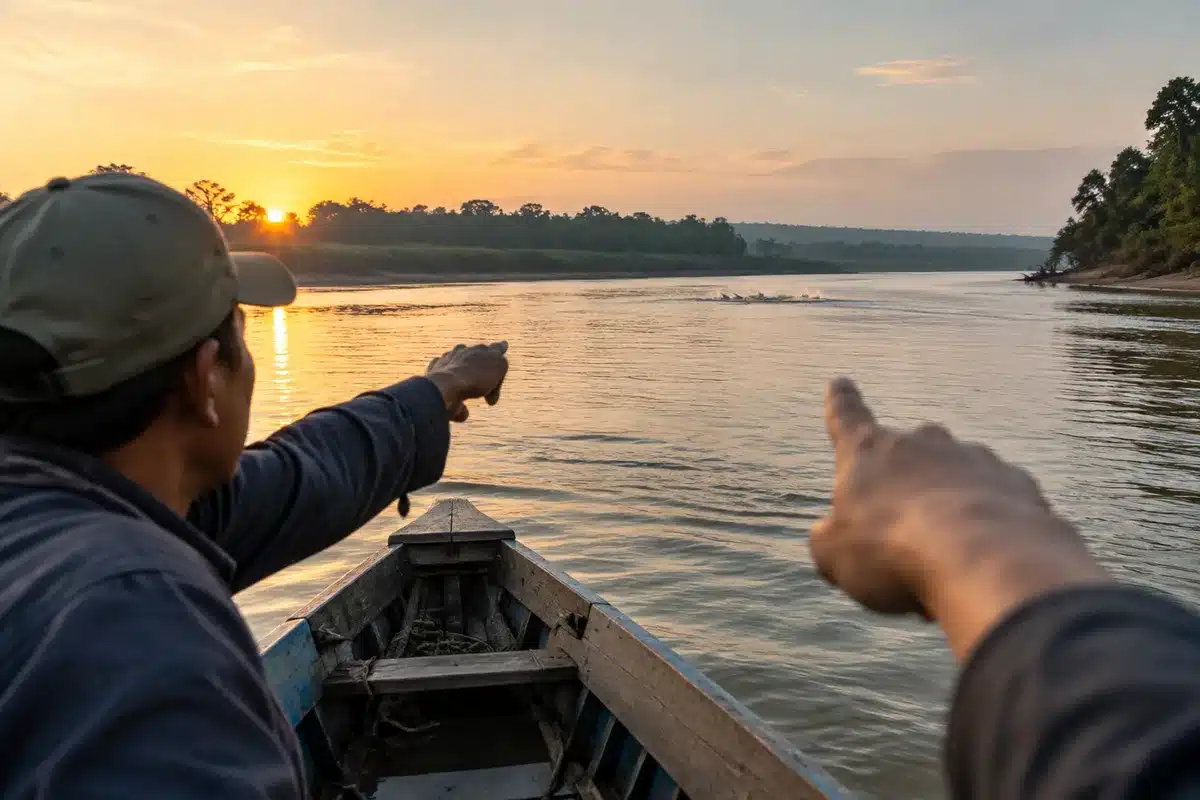
Six newborn Irrawaddy dolphins have turned a quiet stretch of the Mekong River into a rare note of optimism for river conservationists. The recent calving season added half a dozen calves to a population that lives among fishing communities in northeastern Cambodia, offering a glimpse that recovery is possible when people and wildlife coexist.
These snub-nosed dolphins—scientifically known as Orcaella brevirostris—face steep challenges throughout Asia and beyond. Still, the new births and ongoing community efforts on the Mekong show how cultural reverence, targeted protection, and shifts in local livelihoods can combine to give an endangered river species a fighting chance.
The Growing Demand for Data-Driven Decision Making in Silicon Valley
He quit, ran out of money, and begged to come back — here’s how his boss reacted
Population rise on the Mekong: what the new calves mean
After this breeding season, the Cambodia sub-population now numbers about 118 individuals concentrated along roughly a 75-mile (120 km) section of river in the country’s northeast. Experts say the addition of six calves signals that, at least in some parts of the Mekong, food availability and habitat conditions remain sufficient to sustain growth.
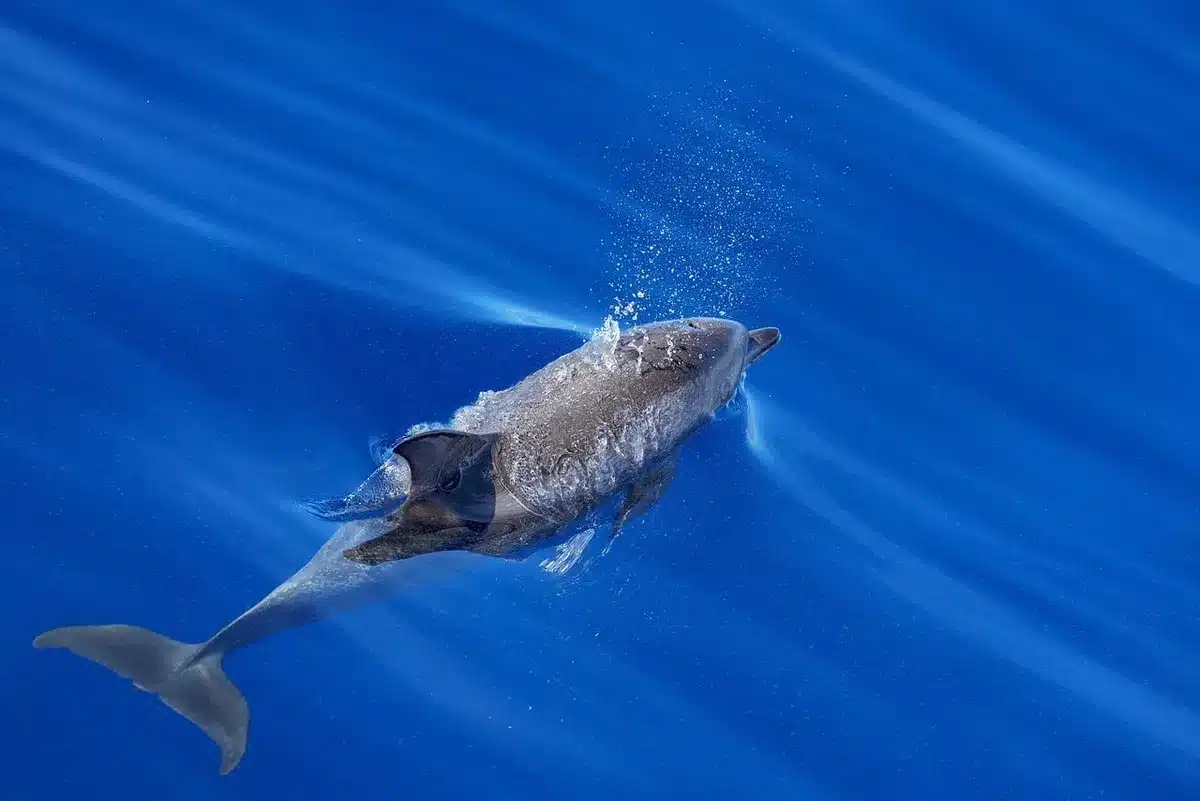
That said, the increase doesn’t erase the long-term pressures that keep Irrawaddy dolphins listed among the world’s most vulnerable river mammals. The species exists in fragmented groups across Southeast Asia, and some populations are declining or isolated by human activity.
How local beliefs protect river dolphins
Cultural ties and everyday stewardship
In both Laos and Cambodia, Irrawaddy dolphins occupy a special place in local folklore and Buddhist practice. Many communities consider the animals to be reincarnations of ancestors, and traditional stories credit the dolphins with lifesaving acts—guiding people away from danger or protecting them from crocodiles.
That cultural respect translates into real-world protection: villagers often oppose illegal fishing, help monitor dolphin hotspots, and welcome conservation measures that align with local livelihoods.
- Community patrols and informal enforcement sometimes stop gillnetting in protected zones.
- Local ecotourism—viewing dolphins from safe distances—provides alternative income sources.
- Education campaigns emphasize the dolphins’ cultural importance alongside ecological value.
Primary threats: nets, dams, and accidental entanglement
Despite protective attitudes in some areas, several human-driven threats still endanger Mekong dolphins. Conservationists point to a few immediate dangers:
- Gillnet fishing and bycatch: stationary nets can entangle calves and adults alike, and younger animals are particularly vulnerable because they may not recognize boat noise or avoid nets.
- Hydropower development: roughly 160 dams planned or built on the Mekong have changed water flow, sediment patterns, and fish availability—alterations that ripple through the food web.
- Illegal fishing inside protected zones: small-scale but persistent, such activity undermines conservation gains and risks violent confrontations.
Local reports suggest that gillnetting still occurs even in some protected reaches, though on a relatively limited scale compared with historical levels.
Conservation strategies working in Cambodia
Efforts to reverse decline have emphasized community engagement alongside enforcement. Since 2014, the Cambodian chapter of the World Wildlife Fund has been coordinating programs to reduce fishing pressure by helping communities diversify how they earn a living. These initiatives aim to create incentives for protection rather than relying solely on top-down regulations.
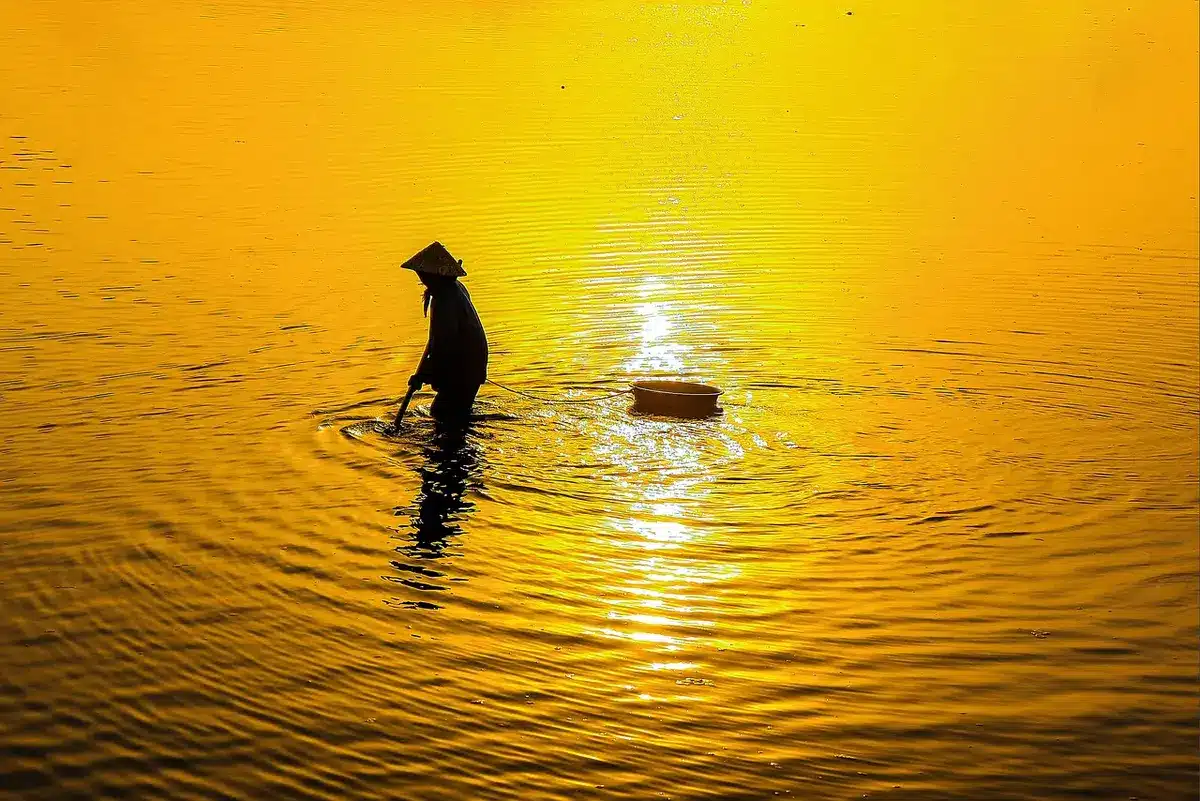
- Economic alternatives such as sustainable tourism, handicrafts, or aquaculture reduce dependence on river fishing.
- Community-led monitoring provides early warnings about illegal activity and helps researchers track births and mortalities.
- Outreach and education build local pride in conserving a species that many view as sacred.
Community buy-in has emerged as one of the strongest predictors of recovery in recent conservation studies—making Cambodia’s approach a hopeful model for other river dolphin populations.
Scientific perspective: recovery is possible but fragile
Researchers emphasize that the recent calving season is a positive sign, but recovery remains fragile and conditional. Stable or growing dolphin numbers depend on sustained reductions in bycatch, careful management of hydropower projects, and protection of fish stocks that serve as the dolphins’ food base.
Long-term success will require coordination across borders, because many river systems and their animal populations span multiple countries. For the Mekong dolphins, localized cultural protection, targeted conservation programs, and ongoing monitoring currently provide the best chance for a lasting rebound.
River dolphin efforts across Asia: lessons and parallels
Conservation work on the Mekong is part of a broader regional effort to protect river dolphins elsewhere in Asia. For example, Pakistan has consolidated sanctuaries along the Indus River to secure hundreds of miles of habitat for the Indus river dolphin—an approach that highlights habitat-scale protection as a viable strategy.
Those projects underline a key lesson: combining protected areas, community involvement, and livelihood alternatives can create durable protections that benefit both people and endangered river species.
You might also like:
- New Zealand marine reserves: 5 new sites to protect dolphins and kelp forests off South Island
- Dolphin health revealed by seawater eDNA sampling in a conservation first
- North Atlantic right whale population slowly increasing, scientists say
- 500,000 young sturgeon released into Amur River by Chinese and Russian biologists
- Isle of Jersey designates 21% of territorial waters as protected

Michael Thompson is an experienced journalist covering U.S. and global news. With ten years on the front lines, he breaks down political and economic stories that matter. His precise writing and keen attention to detail help you grasp the real‑world impact of every event.

