
Show summary Hide summary
- How the AI twins were built and presented to the public
- Why the fabricated medical story matters
- Engagement and the business case: what creators and brands gain
- Platform responsibility and disclosure challenges
- How to identify synthetic influencers and protect your brand
- Broader cultural stakes: what synthetic fame reveals about attention
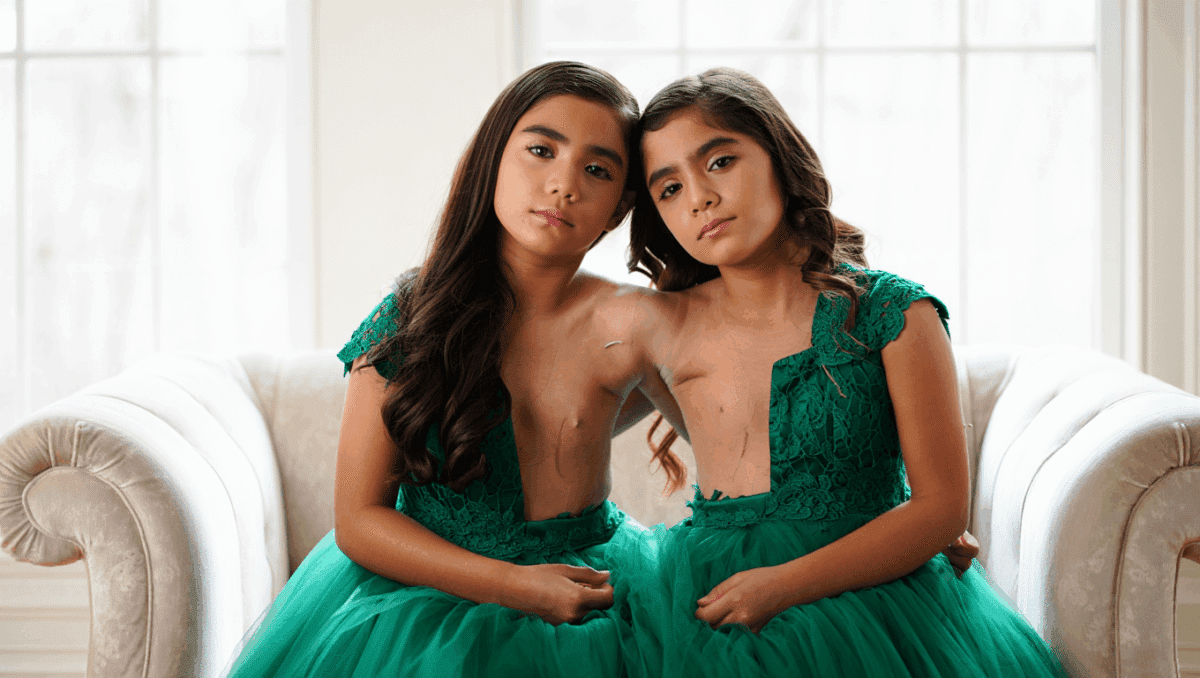
Valeria and Camila command a glossy Instagram feed: sunlit rooms, matching outfits, and the kind of staged spontaneity that racks up likes and comments. Their followers praise the chemistry, ask about collabs, and gush over the scars the pair say came from childhood surgeries. The account reads like a human story—and yet the women behind the profile are not human at all. They are AI-crafted characters, complete with invented histories and manufactured emotions, and their rise exposes new tensions in the influencer economy.
The attention they attract feels utterly modern: a blend of admiration, suspicion, and curiosity that keeps engagement climbing. But the situation raises sharper questions about authenticity, the use of trauma as aesthetic, and how social platforms are handling—or failing to handle—the spread of synthetic personas.
How the AI twins were built and presented to the public
The creators behind the account assembled more than images. They produced a coherent online personality by combining photorealistic imagery, staged lifestyle posts, and a detailed backstory designed to elicit empathy. The result looks like a traditional influencer playbook, only every element was generated or scripted.
The Growing Demand for Data-Driven Decision Making in Silicon Valley
He quit, ran out of money, and begged to come back — here’s how his boss reacted
- Visual realism: High-resolution portraits and polished selfies mimic trends in lighting, angles, and retouching used by top creators.
- Emotional narrative: Posts include intimate-sounding captions and family-like photos to create familiarity and trust.
- Medical drama as content: Scars and a shared surgical history are woven into the narrative to humanize and differentiate the duo.
Some virtual models are upfront about their synthetic origins, even turning their nonhuman status into a marketing angle. This account did not. The choice to remain ambiguous has helped the profile blend into the broader influencer landscape and draw an audience that treats the avatars like real people rather than art projects or experiments.
Why the fabricated medical story matters
Using disability or medical hardship as a design element is more than just a creative decision—it carries ethical weight. When a persona adopts trauma as part of their identity without transparency, it can trivialize the lived experiences of real people who face stigma and physical consequences.
- There is no consent because no real person is represented; the emotional labor typically demanded of disabled people is simulated without limits.
- Synthetic narratives can commodify suffering, turning scars and surgeries into engagement-driving motifs.
- Audiences can unwittingly normalize the use of clinical experiences as brandable content.
The absence of real-world consequences for these artificial actors also changes the dynamic: they can claim vulnerability while avoiding the fatigue, privacy violations, or exploitation that would affect actual humans.
Engagement and the business case: what creators and brands gain
Platforms reward attention, and attention converts to revenue. For the people and teams behind fictional influencers, ambiguous authenticity is a growth strategy.
Why ambiguity can be profitable
- Curiosity fuels sharing and comments, expanding organic reach.
- Once a sizable audience exists, monetization options—sponsored posts, exclusive content, product lines—become lucrative.
- Brands may partner without fully vetting whether an influencer is human or synthetic, especially if the persona resonates with target demographics.
This is not purely speculative. Analysts and critics note that accounts like these often direct followers to other platforms or private channels where monetization is easier to control. In short: build trust, then monetize—whether or not the trust was warranted.
Platform responsibility and disclosure challenges
Social networks face a knotty enforcement problem. Detecting synthetic accounts isn’t always straightforward, and policies around disclosure are uneven. Some platforms require clearly labeled synthetic media; others lag or rely on community reporting.
- Detection hurdles: Advanced generative models can produce faces and interactions that bypass simple filters.
- Policy gaps: Rules about labeling AI-generated personas vary, and enforcement is resource-intensive.
- User experience trade-offs: Overzealous policing risks false positives; lax standards enable deceptive practices.
Without consistent rules and effective enforcement, ambiguous profiles can proliferate, making it harder for users to tell whether the person—or persona—on the other end of a screen is real.
How to identify synthetic influencers and protect your brand
As virtual creators multiply, both casual users and marketers need practical tactics to separate authentic people from AI-built profiles.
- Look for explicit disclosure in bios or pinned posts; many legitimate virtual creators label themselves clearly.
- Examine the content timeline—AI accounts sometimes post at inhumanly consistent intervals or recycle imagery across channels.
- Check for verifiable real-world touchpoints: public events, collaborations with known figures, or independently verifiable interviews.
- Reverse-image search portraits to spot reused or stock-generated faces.
- Ask brands to insist on contractual warranties that confirm influencer authenticity before paying for campaigns.
For consumers, a skeptical eye toward narratives that feel engineered for emotional response can prevent manipulation. For brands, due diligence and clear ethical standards help avoid reputational risk.
Broader cultural stakes: what synthetic fame reveals about attention
The rise of realistic AI influencers highlights a cultural appetite for connection that’s easy and safe—no messy human contradictions, no decline, no scandal, forever polished. That formula is powerful because it answers many online desires: instant intimacy, flawless aesthetics, and controllable interaction.
But the trade-offs are real: audiences lose a measure of trust in the shared public sphere, and marginalized experiences can be appropriated and reshaped into consumable content without accountability. As synthetic media blurs the line between performance and personhood, the social systems that once relied on visible, lived authenticity face stress.
The Valeria and Camila case is not an isolated oddity; it’s a signpost pointing to a future where the distinction between human and generated celebrity becomes harder to maintain—and where platforms, creators, and consumers will have to decide what boundaries they will accept and enforce.
You might also like:
- AI homeless man trend sparks deepfake, safety and ethical concerns
- Kansas City restaurants spotlighted by window washer influencer giving free window cleanings
- AI-generated NWS map hallucinates fake towns in Idaho
- Allison Pearson clashes with Twitter moderators after tweet sparks anger
- AI-generated police report falsely claims officer turned into frog

William Anderson is a multimedia producer specializing in videos, podcasts, and interactive galleries. With five years of immersive content creation, he turns information into a rich audio‑visual experience. His storytelling skills draw you directly into the heart of every story, on any platform.


Man, those conjoined twins pics got everyone buzzing! But, like, are we sure theyre legit? AI can do wonders nowadays, but I smell a fishy story. Gotta dig deeper into this digital twins mystery!
I remember when those conjoined twins pics went viral. So much debate if they were real or faked. People love a good mystery. Either way, creators and brands cash in on the buzz, playing with our minds.
I remember seein them conjoined twins pics; it was all over social media. Cant trust nothin these days, ya know? Howd they even photoshop that? Crazy stuff, but makes you think.
Alright, so I saw those conjoined twins pics online. Cant trust anything these days. AI, Photoshop, who knows? But, hey, its wild how tech can mess with our heads, right? Just hope folks see through the smoke and mirrors.
I once saw conjoined twins on TV, wondered how they cope. The viral pics, though, had me like, Wait, is this real life or Photoshop magic? Its a wild world out there!
Yall ever notice how those conjoined twins pics lookin like a Photoshop face swap gone wrong? Cant trust everything online, I tell ya! Gotta question whats real and whats just for the gram.
Aint that the truth! I swear, some of those pics got me double-checking if my eyes are playin tricks on me. Its like they took the wrong turn at the photo editing junction, you know? Gotta stay on your toes these days, cause whats real and whats just for show can get all mixed up quicker than you can click like.
Man, cant believe people fall for this stuff! Photoshopped, CGI, who knows? Always a buzz with these miracle stories. Gotta question what we see these days.
I remember when those conjoined twins’ photos went viral. People are so quick to believe what they see online. But hey, truth is like a rare Pokémon – hard to catch. Gotta fact-check em all!
I remember when folks used to debate if a UFO was real or Photoshopped. Now its conjoined twins! The internets a wild ride, yall. But seriously, authenticity matters, even in viral content.
I remember when those conjoined twins pics went viral. Had me thinkin, Is this real or just a slick edit job? The mystery made me scroll more, so I guess ambiguity sells!
Man, these conjoined twins pics got me thinkin! Are they real or just some AI trickery? Feels like were livin in a sci-fi movie. Cant trust anything these days!
AI trickery, huh? Cant blame ya for doubting nowadays! Its like every pic we see might be fake, every story twisted. But hey, maybe these twins really exist, defying the odds! Imagine the bond they must share, the challenges faced. Lifes wilder than fiction sometimes, innit?
Man, these conjoined twin pics got me thinking. Are we digging for the truth or just feeding the AI frenzy? Sometimes its hard to tell whats real and whats cooked up for clicks. #ethics
I remember the first time those conjoined twins pics popped up. Had me scrolling for hours! But like, real or doctored, why stir up fake medical stories for clicks? Messed up, man.