
Show summary Hide summary
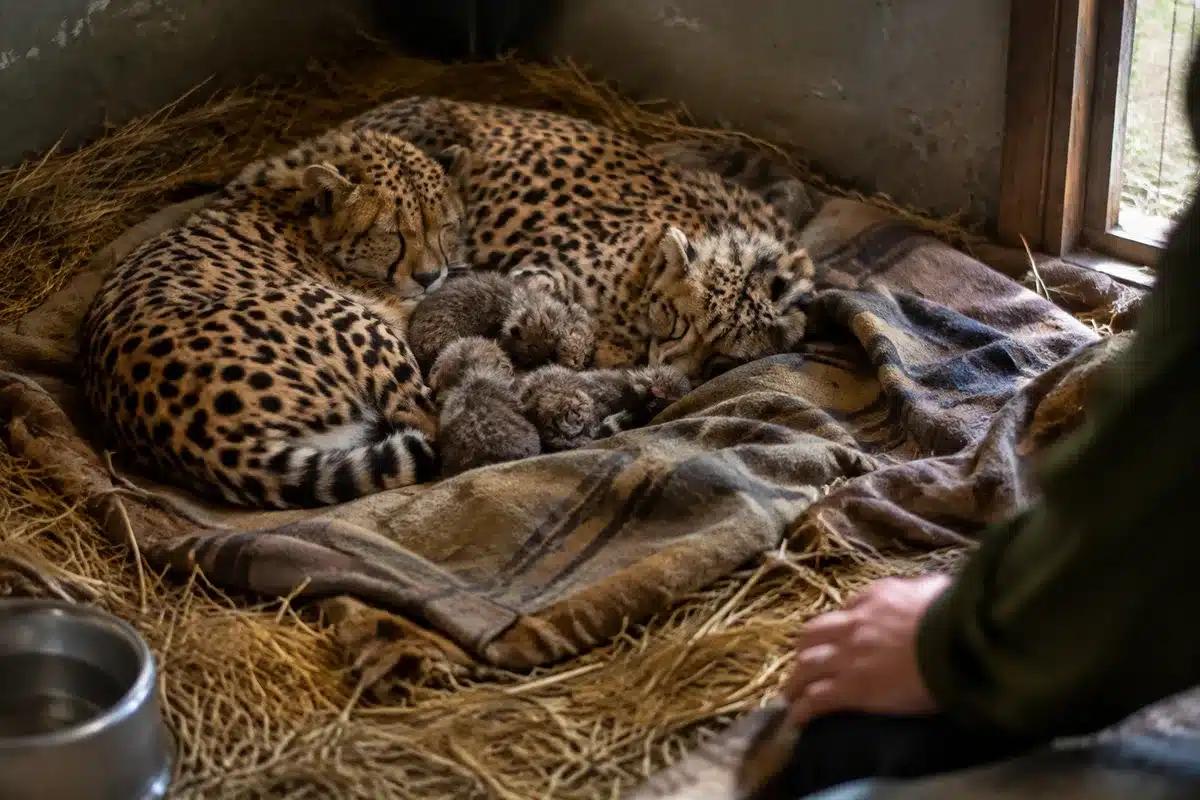
The Smithsonian Conservation Biology Institute in Front Royal, Virginia, is now streaming a live view into a cheetah den where a mother and her five newborns can be watched around the clock. Born on Oct. 5, the litter offers viewers a rare front-row seat to early family life for one of the world’s most iconic big cats.
The feed doesn’t just show tiny spotted bodies tumbling around a nest—audiences can also hear the high, kitten-like chirps and soft purrs that baby cheetahs use to communicate. That combination of sights and sounds makes the stream irresistible to animal lovers and valuable to scientists alike.
How to Watch the Zura Den Live and What You’ll See
The Growing Demand for Data-Driven Decision Making in Silicon Valley
He quit, ran out of money, and begged to come back — here’s how his boss reacted
The live camera covers the den used by Zura, the mother cheetah, and her cubs. The same camera is used by staff at the facility to monitor the animals remotely, which means viewers get the exact perspective researchers rely on for daily care and observation.
- Availability: The webcam runs 24/7 and can be accessed from the Smithsonian Conservation Biology Institute’s site.
- Audio detail: Expect to hear chirps, small mews, and the occasional purr—sounds that reveal social bonds and basic needs.
- Behavior on display: Nursing, grooming, short naps, playful wrestling, and motherly attention are common sights.
Why the Live Feed Matters for Cheetah Conservation
Beyond the cuteness factor, this stream plays a role in conservation and research. Cheetahs are under severe pressure globally, with conservationists estimating roughly 7,000 individuals remain in the wild. Observing natural mother–offspring interactions in a low-disturbance setting helps researchers learn more about neonatal development, social behavior, and stress responses.
Because the cubs born at the institute have limited early human contact, staff can gather behavioral data that’s difficult to obtain from zoo-housed animals. Those insights contribute to breeding programs, reintroduction planning, and broader strategies to protect the species.
Meet Zura and Her Newborns: What Makes This Den Special
Zura’s den is set up to let her raise the litter with minimal interference, while still allowing keepers to intervene if medical care or protection is needed. The setup mirrors natural conditions more closely than many exhibit spaces, which supports healthier maternal bonding and lets cubs develop typical behaviors.
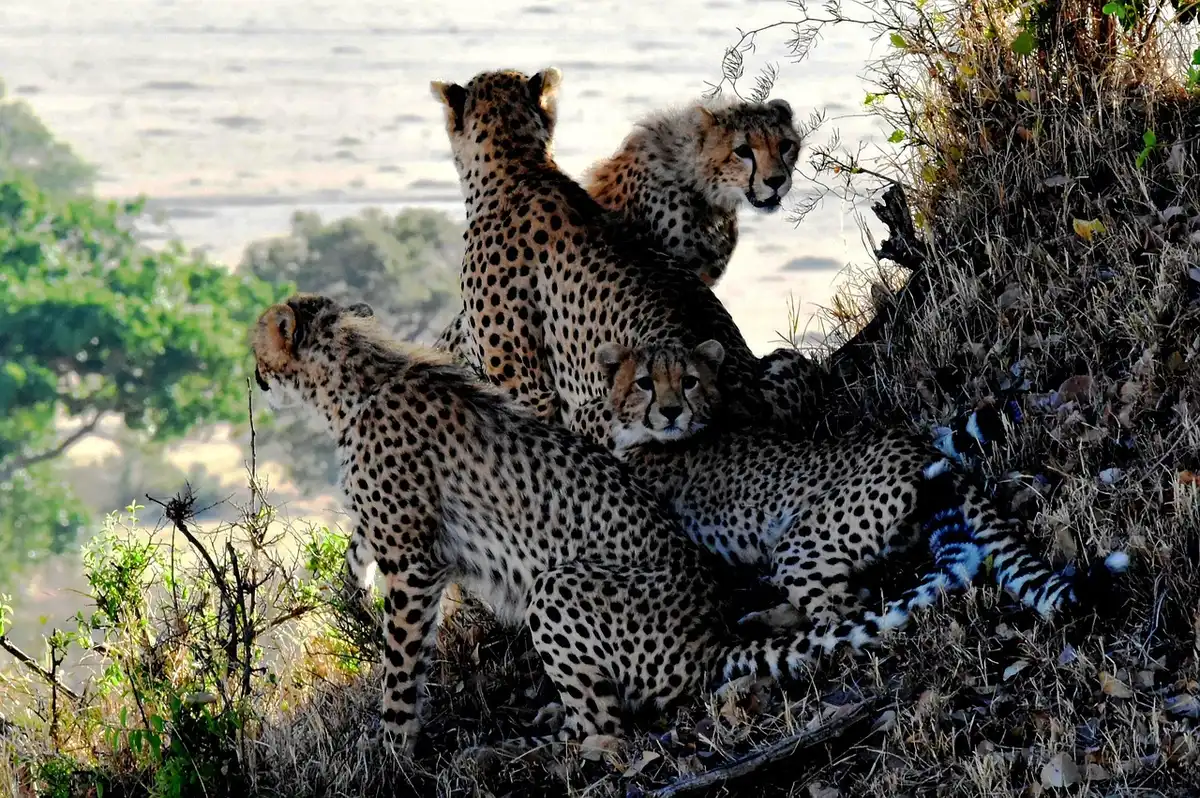
- Nurturing: Zura spends much of her time nursing and grooming the cubs, maintaining their coats and encouraging attachment.
- Developmental milestones: Viewers can watch the cubs gain strength, practice pouncing, and explore their immediate environment as they grow.
- Play and communication: Play-fighting helps build coordination and social skills, while vocalizations communicate hunger, comfort, or curiosity.
Research Benefits and Public Engagement From Live Wildlife Streams
Live cams bridge science and community. For researchers, continuous remote observation reduces disturbance and creates large behavioral datasets. For the public, the feed provides intimate access to conservation work and encourages support for species protection.
Scientific advantages
- Objective, long-term behavioral records without constant human presence.
- Immediate remote monitoring that improves animal welfare and response times.
Public impact
- Educational access to real-time animal behavior for students and wildlife fans.
- Opportunities to donate and support fieldwork or captive-breeding programs through the institute’s website.
Observers tuning in to Zura’s den are witnessing both a tender family story and a living example of conservation in action. The footage is a reminder of how much remains to be learned—and why ongoing public interest and support matter for the future of cheetahs worldwide.
You might also like:
- 6 baby cheetahs born at Richmond Zoo: 167 cats bred since 2013
- This wildlife photographer woke up from a nap under a tree with… a cheetah sleeping against him
- Sumatran tiger cubs born in the UK: major conservation win as just 400 remain in the wild
- Polar bear photographed with rare adopted cub in the wild
- Zoo elephants rewilded in Africa: how well they cope in the wild

Michael Thompson is an experienced journalist covering U.S. and global news. With ten years on the front lines, he breaks down political and economic stories that matter. His precise writing and keen attention to detail help you grasp the real‑world impact of every event.

