
Show summary Hide summary
- License approved: what regulators and conservation groups agreed
- Why beavers are being reintroduced and what they bring to the landscape
- Community response and mitigation: balancing benefits with concerns
- Where the animals will come from and how releases will be handled
- Historical context: a species returning after centuries
- What the public should expect on Loch Ness
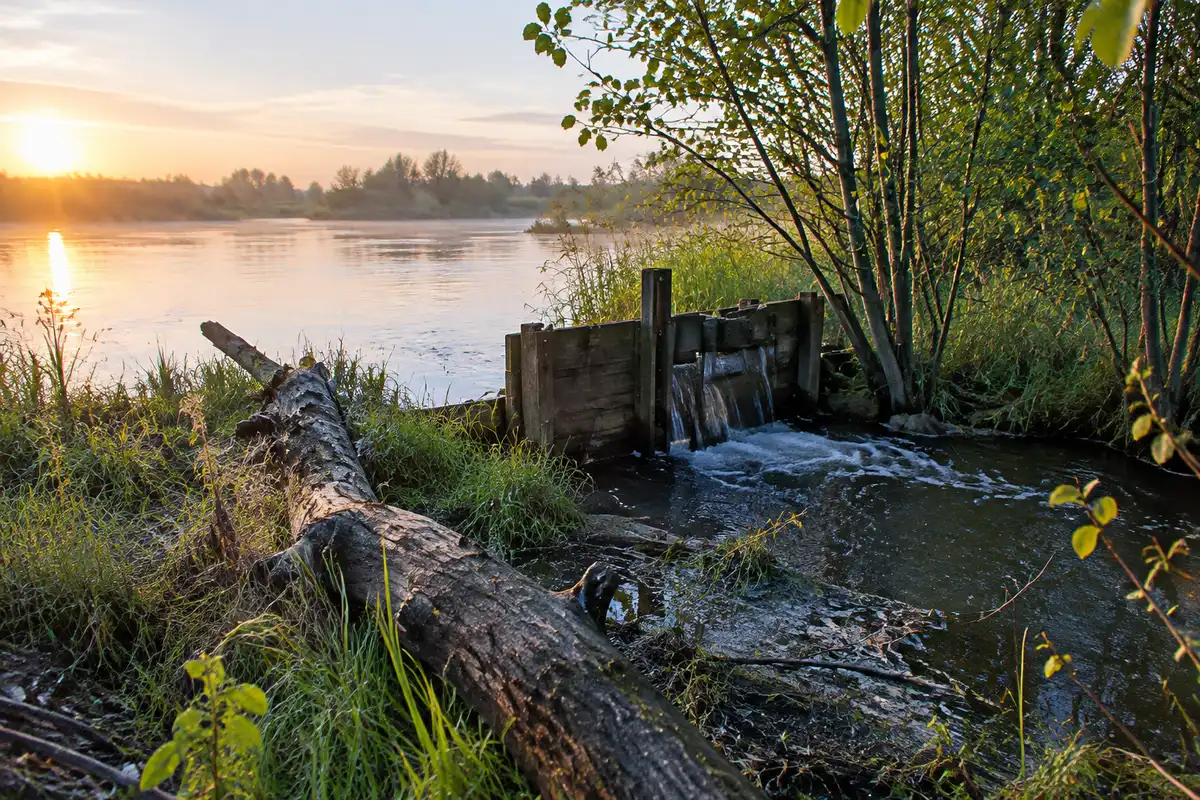
A familiar wildlife face is about to make a dramatic return to the Loch Ness region. After roughly five centuries away, beavers will be reintroduced into the River Ness catchment—the watershed that feeds Scotland’s most famous lake—sparking both excitement and careful planning among conservationists and local communities.
Authorities and nonprofit groups say the move aims to restore natural processes, boost biodiversity, and reduce flood risk, while a formal license and mitigation strategies are in place to manage potential conflicts. The first translocations could begin in the coming weeks.
The Growing Demand for Data-Driven Decision Making in Silicon Valley
He quit, ran out of money, and begged to come back — here’s how his boss reacted
License approved: what regulators and conservation groups agreed
On October 30, NatureScot issued a license authorizing two charities—Trees for Life and the Beaver Trust—to release up to 15 beaver family groups over three years across the River Ness catchment, which includes Loch Ness. The decision followed a formal application and an assessment carried out under the Scottish Code for Conservation Translocations.
The regulatory review examined a wide range of issues before granting approval, including site suitability, animal welfare, and possible effects on people, farming, and infrastructure. NatureScot’s evaluation concluded that the risk of serious negative impacts was low and that beavers are likely to bring meaningful ecological benefits to the catchment.
Why beavers are being reintroduced and what they bring to the landscape
Beavers are often described as “ecosystem engineers” because of the way their dam-building and foraging behaviors shape habitats. Conservationists point to several ecological and practical advantages:
- Increased habitat diversity: Beaver dams create ponds and wetlands that support insects, birds, fish, and amphibians.
- Improved water retention: Wetlands and ponds can slow runoff, reduce flood peaks downstream, and store water during drier periods.
- Boosted biodiversity: New aquatic and semi-aquatic habitats can allow a wider range of species to thrive.
- Natural water filtration: Sediment trapping behind dams can improve water quality over time.
Community response and mitigation: balancing benefits with concerns
The license reflects a consultation process with local land managers, residents, and stakeholders. After discussions between the nonprofits and community members, more than 73% of respondents expressed support for the reintroduction.
Still, some farmers and property owners voiced worries about tree damage, flooding of productive land, and impacts on river infrastructure. NatureScot and the applicants reviewed monitoring and mitigation proposals and pointed to existing frameworks that can respond to problems if they arise.
Key safeguards and response tools
- Existing Beaver Mitigation Scheme measures to resolve local conflicts and compensate affected land users.
- Monitoring plans to track beaver movements, dam locations, and ecological outcomes.
- Targeted interventions—such as protective tree wrapping, flow devices to control pond levels, and strategic dam removal—when beaver activity threatens infrastructure or productive land.
Where the animals will come from and how releases will be handled
The nonprofit partners plan to relocate beavers from other parts of Scotland, prioritizing animals that are currently causing harm to prime agricultural areas or individuals that have not established stable territories. Translocations are intended to be humane and guided by welfare protocols.
Reintroductions could begin within weeks, according to the organizations involved, with each release accompanied by monitoring and community engagement to minimize surprises and build local support.
Historical context: a species returning after centuries
Beavers were historically present across Scottish waterways but disappeared from many areas centuries ago. Records indicate they were last recorded around the Loch Ness area in the early 16th century, around 1526–1527, making this return a significant restoration milestone.
Since their managed comeback in 2009, beavers have gradually re-established across parts of Scotland, recolonizing streams and rivers where the habitats remain suitable and where conflicts have been managed.
What the public should expect on Loch Ness
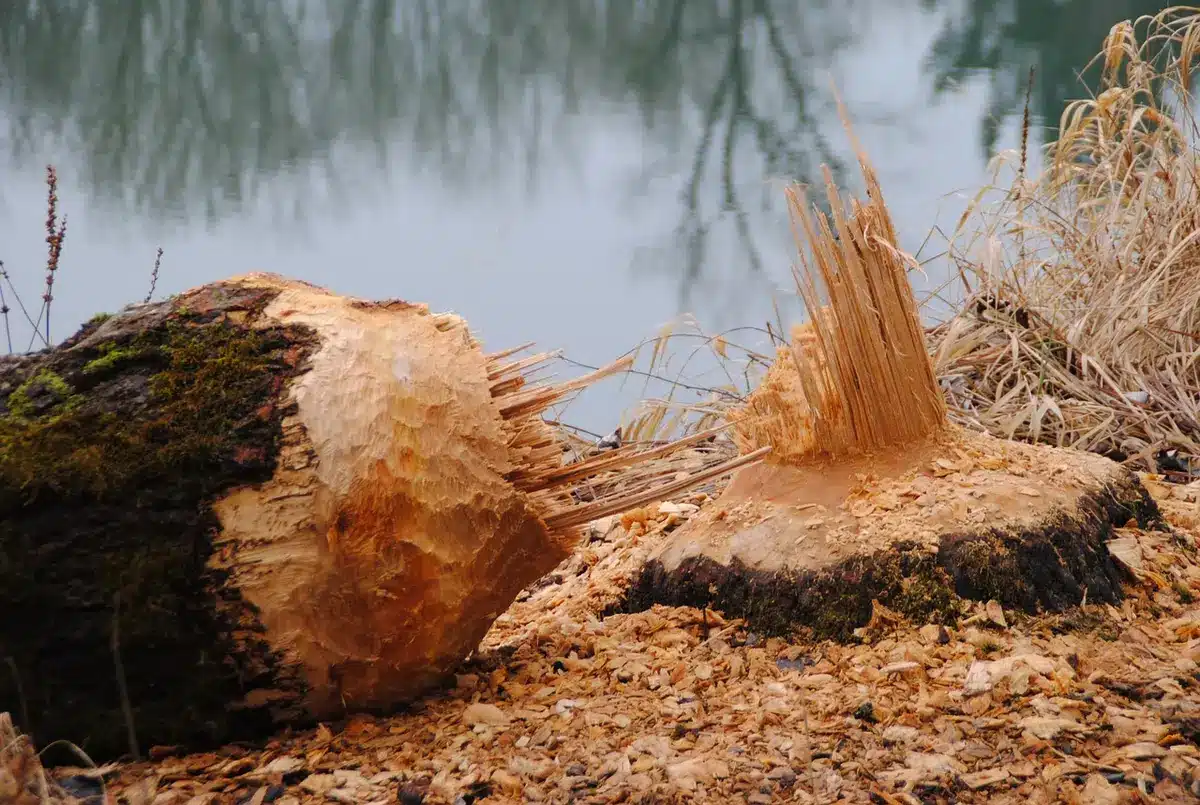
Local residents and visitors may notice new signs of beaver activity along riverbanks and lochs: felled trees, small dams, and the occasional lodge. If you spot a long, thin shape crossing the water, it may not be legend but a hardworking beaver tugging a branch to build habitat.
NatureScot emphasized that the project is designed to maximize ecological gains while providing mechanisms to address problems, signaling a cautious but optimistic approach to reintroducing one of Scotland’s most influential native mammals into the Loch Ness catchment.
You might also like:
- Teen rescues baby beaver from river rapids in Canada
- Revolutionizing Dry Landscapes: Woman Transforms Barren Streams into Lush Oases in USGS Study
- River otter spotted in the Bronx for first time in 100 years along the Bronx River
- Maine river herring run tops 20 million, highest in decades
- Native elk return to 17,000 sacred Sierra Nevada acres after tribal release

Michael Thompson is an experienced journalist covering U.S. and global news. With ten years on the front lines, he breaks down political and economic stories that matter. His precise writing and keen attention to detail help you grasp the real‑world impact of every event.

