
Show summary Hide summary
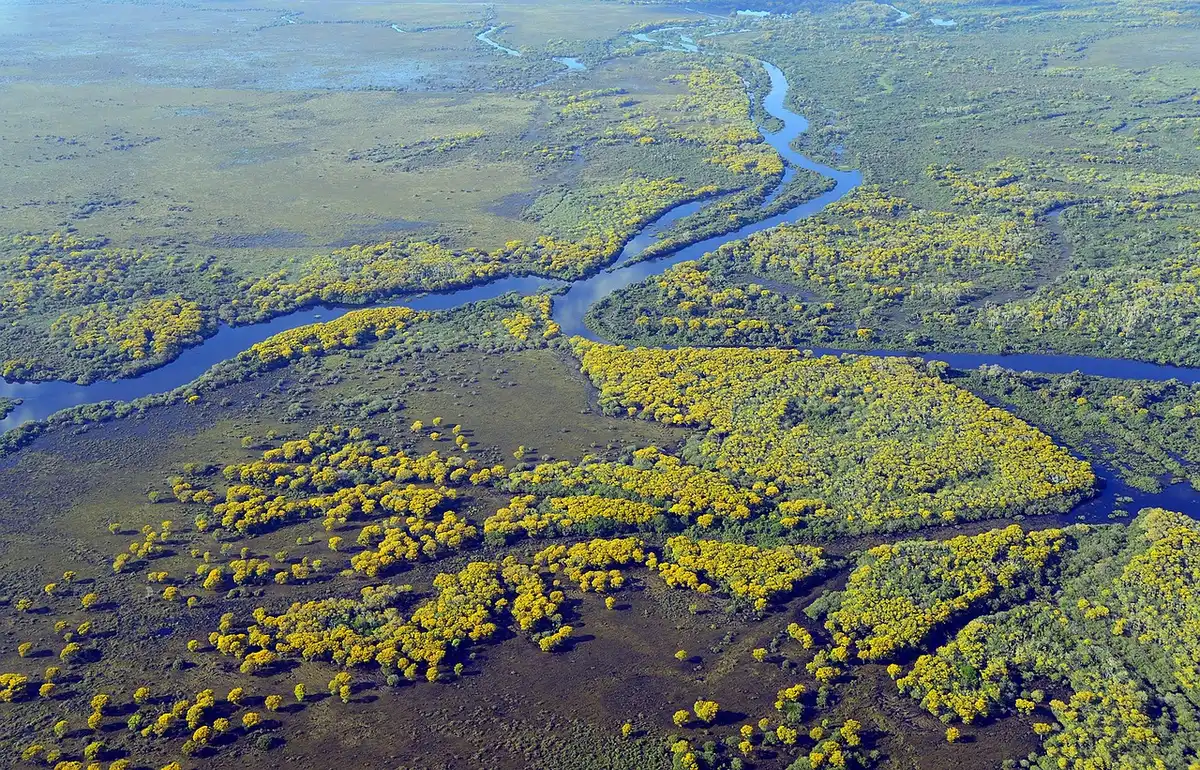
Brazil has quietly enlarged one of its most vital conservation areas, adding a significant swath of wetlands to the Pantanal’s protected footprint. The move boosts habitat protection for a biome often described as one of the planet’s richest and most ecologically fragile, and it arrives as conservationists push to safeguard key migration and breeding zones for wildlife under mounting pressure from drought and fire.
The newly enlarged park gives more breathing room to species that depend on seasonal floods and river flows. Officials say the change reflects long-standing scientific recommendations to secure corridors that connect feeding grounds, floodplains, and nesting areas—an approach that aims to keep animal populations genetically healthy and landscapes resilient.
How much land was added and why it matters
The Growing Demand for Data-Driven Decision Making in Silicon Valley
He quit, ran out of money, and begged to come back — here’s how his boss reacted
Brazil’s government increased the size of Pantanal Matogrossense National Park by about 185 square miles, boosting the park from roughly 523 square miles to a substantially larger reserve. That expansion may seem incremental on paper, but in practical terms it represents a major gain for habitat continuity and long-term ecological stability in the Pantanal.

Wildlife that will benefit from the expansion
The Pantanal supports an extraordinary range of life. The park and its surroundings are home to hundreds of species, many of which rely on seasonal flooding to feed and reproduce. Expanding the protected area helps provide safer access to the diverse environments these species need throughout the year.

- Birds: More than 460 species have been recorded across the biome.
- Fish: Approximately 269 species inhabit the rivers and floodplain channels.
- Reptiles and amphibians: Over 100 species contribute to the Pantanal’s aquatic and terrestrial food webs.
- Mammals: More than 236 species, including emblematic animals such as the tapir, giant otter, giant armadillo, and giant anteater, plus the highest known concentration of jaguars anywhere on Earth.
Who will manage the expanded territory and how
Administration falls to the Chico Mendes Institute for Biodiversity Conservation (ICMBio), the federal agency that oversees Brazil’s federal conservation units. ICMBio identified several key biological corridors—routes wildlife use seasonally to move between feeding, breeding, and resting areas—and has prioritized those corridors in the newly defined boundaries.
Measures to protect movement corridors
- Mapping of animal movement routes and critical habitat buffers.
- Engagement with private landowners to coordinate land use and reduce habitat fragmentation.
- Monitoring to ensure connectivity remains intact, especially for threatened species that require large ranges.
International recognition and conservation context
The Pantanal Matogrossense has long been recognized globally for its importance: it was designated a wetland of international importance under the Ramsar Convention more than three decades ago. That status underlines a continuing commitment—at least in policy—to safeguard wetland functions and biodiversity across the region.
Main threats the expansion seeks to counter
Despite protections, the Pantanal faces recurring threats that can undermine its ecological role. The recent expansion is intended to reduce vulnerability to several key pressures.
- Wildfires: Intense, human-ignited and climate-driven fires have damaged large swaths of wetland and upland vegetation in recent years.
- Drought and altered hydrology: Reduced rainfall and river flow can shrink the floodplain’s “sponge,” disrupting seasonal cycles that many species depend on.
- Habitat fragmentation: Roads, ranching, and agricultural conversion can isolate populations and reduce genetic exchange.
Local cooperation and next steps for conservation
Experts emphasize that expanding park boundaries is only one step. Effective protection requires ongoing dialogue with ranchers, landowners, and local communities to align livelihoods with conservation goals. Maintaining river health, preventing destructive fires, and restoring degraded corridors are practical priorities for the months and years ahead.
- Collaborative land-management agreements to protect corridors.
- Investment in fire prevention and rapid response systems.
- Scientific monitoring of species and hydrological conditions to guide adaptive management.
You might also like:
- 70 million acres of rainforest conserved after NGO protected area called link of life
- World’s first giant anteater reintroduction in Brazil shows early success
- Bolivia protects 660 square miles of biodiverse forest
- Flat-headed cats seen in Thailand for first time in 30 years, thought extinct
- Rare fisher spotted on trail cam in Cleveland area, first seen since 1800s

Michael Thompson is an experienced journalist covering U.S. and global news. With ten years on the front lines, he breaks down political and economic stories that matter. His precise writing and keen attention to detail help you grasp the real‑world impact of every event.

