
Show summary Hide summary
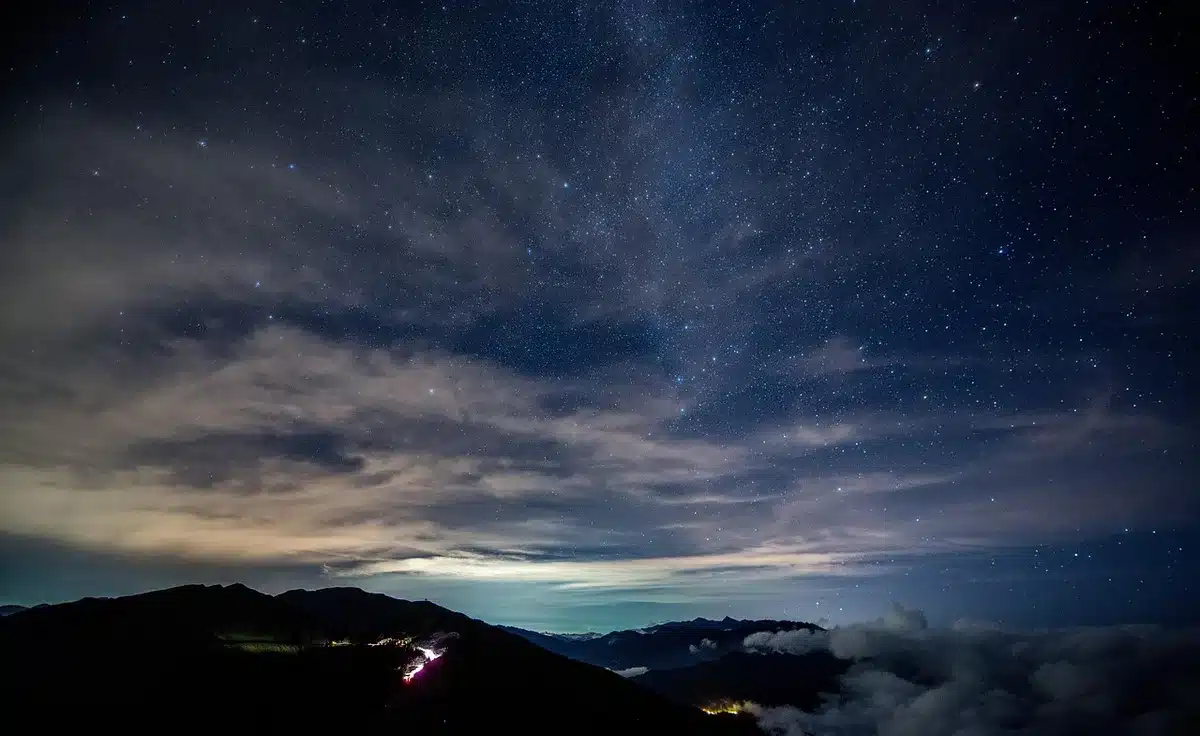
Dark skies are rolling in just in time for a promising display from the Taurid meteor stream. With a New Moon arriving on Monday the 9th, skywatchers will have one of the clearest windows this week to spot the Northern Taurids’ slow, glowing streaks without lunar glare interfering.
Although the shower’s official peak comes a few days later, the moonless nights around the 9th and 10th are prime opportunities to catch the Taurids’ characteristic long tails and occasional bright fireballs. Amateur astronomers and photographers alike should plan for late-evening to predawn hours for the best results.
Why a New Moon matters for meteor watching
The Growing Demand for Data-Driven Decision Making in Silicon Valley
He quit, ran out of money, and begged to come back — here’s how his boss reacted
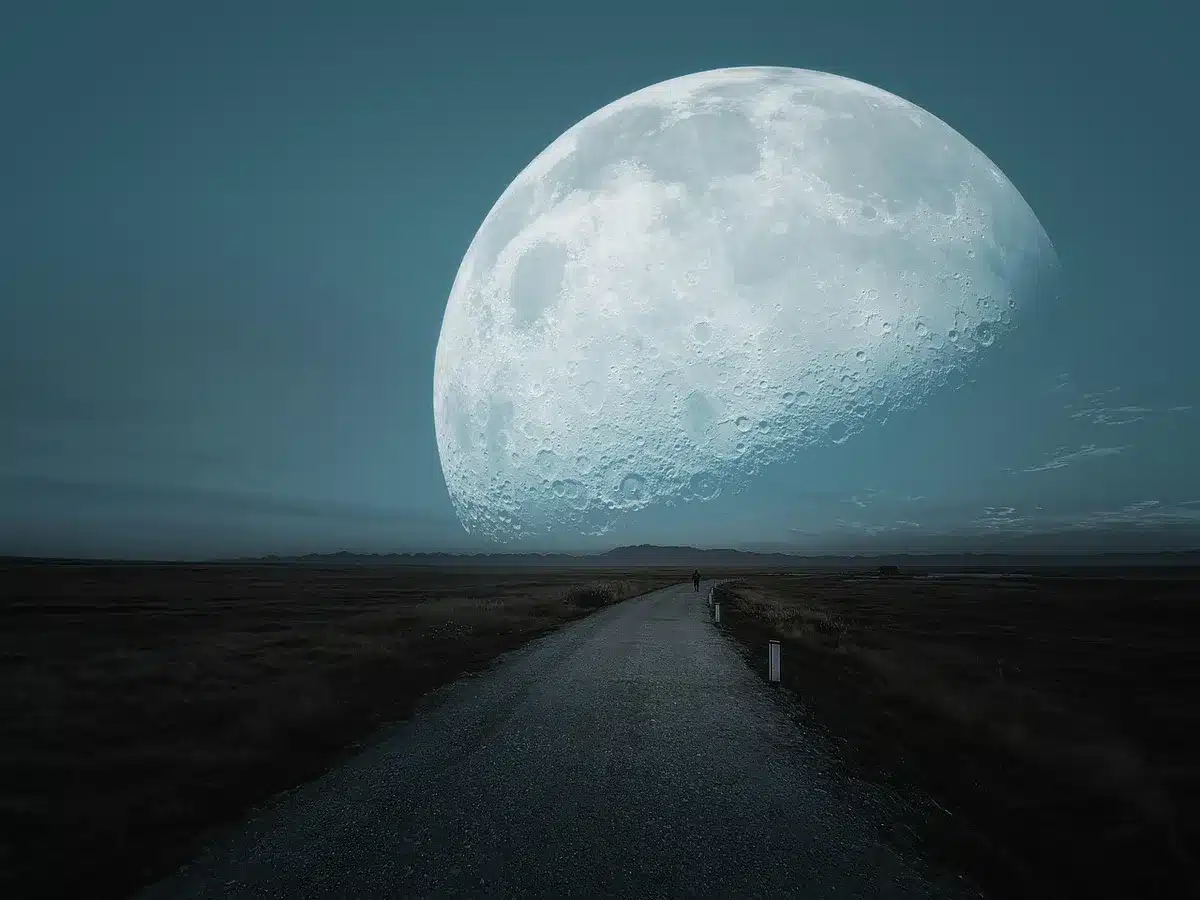
Moonlight is one of the biggest natural obstacles to meteor visibility. When the moon is absent from the night sky, fainter meteors become visible and bright ones appear crisper. The New Moon on Monday the 9th drastically reduces skyglow, giving observers a much better chance to spot the Northern Taurids’ luminescent trails.
- Less moonlight = more meteors visible: The darker the sky, the more subtle streaks you’ll notice.
- Peak vs. prime viewing: The shower’s official peak is closer to the 12th, but nights immediately before and after the New Moon often offer superior conditions.
Best nights and times to watch the Northern Taurids
Plan your viewing for Monday the 9th and Tuesday the 10th if you want the cleanest skies; a one-day-old moon on the 10th still creates minimal interference. The Taurids tend to be most active during the late evening and the hours before dawn, when the radiant climbs higher and Earth-facing velocities increase the number of visible meteors.
- Prime window: late evening through pre-dawn local time.
- Expect modest hourly rates: typically around 8–12 meteors per hour under dark skies.
- Peak activity: closer to the 12th, so any clear night in the surrounding week can still yield good sightings.
How the Taurids look: long tails and occasional fireballs
The Northern Taurids are known not for a rapid rush of meteors but for slow-moving, glowing trails that linger longer in the sky than many other showers. Observers often note extended, smoky tails and the chance of bright, dramatic fireballs that can outshine nearby stars.
- Characteristic: Long, persistent tails that make great subjects for photography and casual watching.
- Rate: Relatively low frequency compared to major showers, but quality can be high—especially during dark nights.
- Fireballs: Occasional, brighter-than-usual meteors may appear, drawing attention even in mildly bright skies.
Simple tips for amateur celestial photography

Essential gear and setup
- Camera with manual or shutter-priority control
- Sturdy tripod to avoid blur during long exposures
- Wide-angle lens to capture a larger portion of sky
- Remote shutter release or intervalometer to reduce vibration
Camera settings that work well
For beginners who want to catch meteor streaks, try these starting points and tweak as needed for your camera and sky conditions:
- Mode: Shutter priority or manual
- Exposure: 20–30 seconds per frame to balance star motion and meteor capture
- ISO: Moderate to high depending on your camera (try ISO 800–1600, then adjust)
- Aperture: As wide as your lens allows (low f-number) to collect more light
- Focus: Manually set to infinity and verify on a bright star
Pro tip: Point the camera toward Taurus (northeast of Orion and containing the Pleiades) to increase the chance of recording meteors that appear to radiate from that region.
Where to look: finding Taurus, Orion, and the Pleiades
Locating the radiant will help you frame shots and know where most meteors will originate. Start by finding Orion—its three-star belt is a reliable marker. From Orion, look northeast to find the constellation Taurus, which hosts the Pleiades star cluster. The Taurids will seem to emerge from this area of the sky.
- Orion: Use the three stars of Orion’s belt as a starting point.
- Taurus: Northeast of Orion; look for a V-shaped grouping marking the bull’s face.
- Pleiades: A small, bright cluster within Taurus that’s easy to spot and useful for framing photos.
Practical viewing advice and safety
Choose a dark spot away from city lights, dress warmly, and give your eyes about 20–30 minutes to adapt to the dark for the best naked-eye experience. Bring a reclining lawn chair or blanket for comfortable, extended skywatching sessions. If photographing, take many continuous exposures—meteors are unpredictable, and more frames increase your odds of catching a streak.
- Find a location with a wide, unobstructed view of the sky.
- Limit use of bright phone screens; use a red flashlight if you need light.
- Allow cameras to take continuous shots; large numbers of short-to-moderate exposures work better than a few very long frames.
You might also like:
- July meteor showers: two peaks to light up the late July night sky
- Meteor shower peaks in January as bright supermoon outshines the night
- Winter constellations: 7 easy ones beginners can find
- Asteroid could hit the moon in 2032: what we know
- Giant fireball lights up Midwest sky: what we know about the meteor event

Michael Thompson is an experienced journalist covering U.S. and global news. With ten years on the front lines, he breaks down political and economic stories that matter. His precise writing and keen attention to detail help you grasp the real‑world impact of every event.

