

Show summary Hide summary
Researchers working with fragile Ice Age artifacts have uncovered a surprising link between raw material and design: carved female figures made from mammoth ivory around 18,000 years ago show engraved patterns that mirror the tusks’ natural growth lines. The discovery, made with microscopic imaging and 3D digital models, points to a deliberate artistic strategy by Paleolithic craftspeople who treated the tusk itself as part of the artwork.
This find comes from a set of “Venus” figurines excavated at Mizyn in present-day Ukraine and recorded during emergency cultural heritage efforts. An international team examined the pieces and traced how makers incorporated the internal structure of mammoth ivory into visible surface motifs, changing how archaeologists think about Ice Age ornamentation and regional artistic traditions.
The Growing Demand for Data-Driven Decision Making in Silicon Valley
He quit, ran out of money, and begged to come back — here’s how his boss reacted
Decoding tusk anatomy: the visual language of mammoth ivory
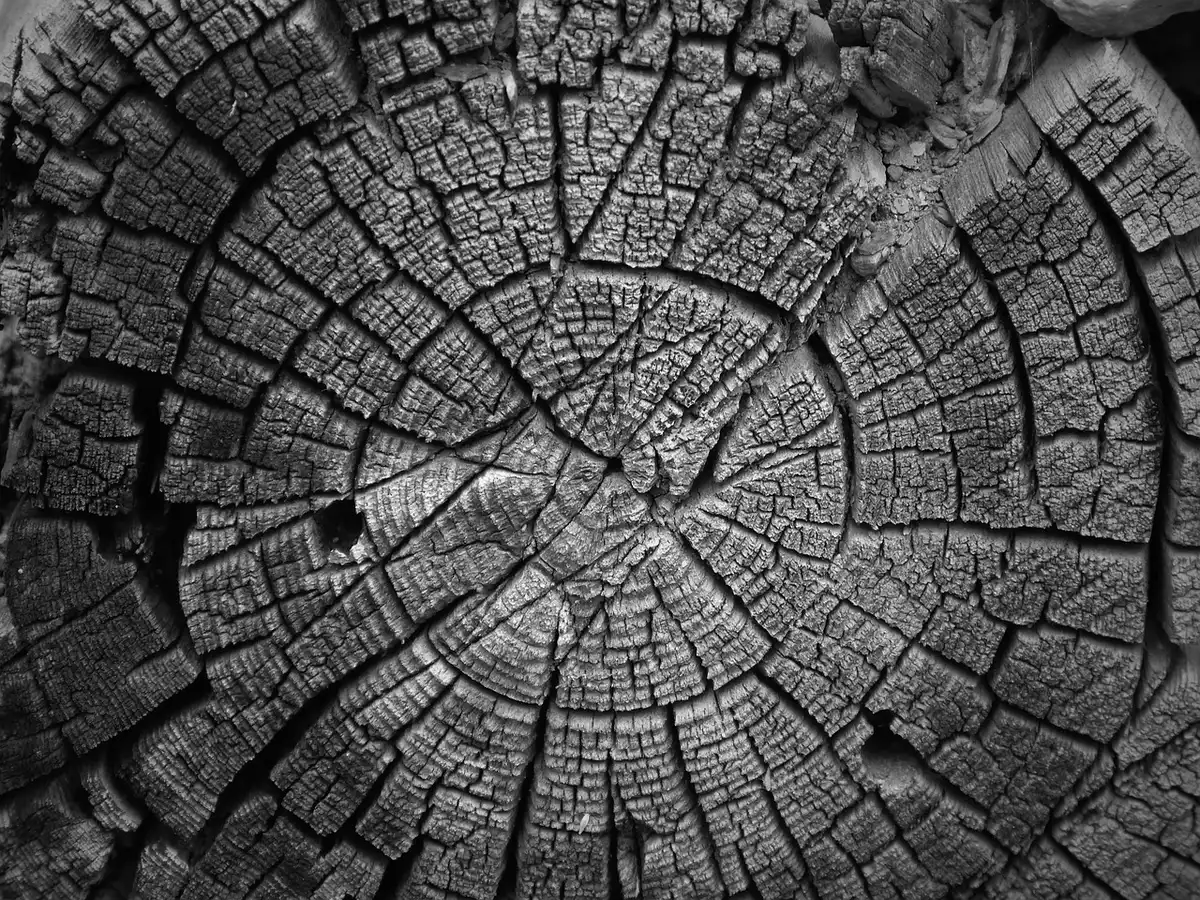
Scientists identified that the engraved motifs follow the natural curvature and banding inside mammoth tusks—known in anatomy as Schreger and Owen lines. These are not random marks: they are growth patterns formed as the tusk developed, and the carvers used them deliberately as compositional guides.
- Schreger lines: cross-sectional patterns in proboscidean ivory that create concentric and angular bands.
- Owen lines: longitudinal growth features that can form visible streaks and striations.
- Carvers aligned incisions and surface decoration to enhance or echo these internal features, effectively marrying raw material and imagery.
High-resolution microscopy revealed tiny tool marks and pattern continuity that would be invisible to the naked eye, while 3D digital reconstructions allowed researchers to visualize how the tusk’s internal geometry influenced surface design choices.
What the Mizyn figurines tell us about Ice Age creativity
The Mizyn assemblage—18 carved female figures—suggests a regional aesthetic that emphasized the natural character of mammoth ivory rather than hiding it. Rather than smoothing out or masking the tusk’s internal bands, artists emphasized them, using the lines as integral elements of figurative ornamentation.
Key observations from the study:
- The engraved decorations follow the tusk’s internal patterning across multiple figures.
- These motifs are distinct from contemporaneous Western European figurines, which rarely reproduce internal tusk patterns.
- The figurine-making tradition at Mizyn appears to re-emerge around 18,000 years ago, earlier in Eastern Europe than in the West.
Researchers note a temporal gap of roughly 1,000–3,000 years in figurine production across Europe that overlaps with the Last Glacial Maximum, the coldest phase of the last Ice Age. When carving traditions resumed, eastern makers incorporated a local visual vocabulary that set them apart.
Methods and international collaboration behind the discovery
The project combined conservation-driven fieldwork with cutting-edge lab analysis. Because direct access to the artifacts at the National Museum of History of Ukraine in Kyiv has been restricted by conflict, teams prioritized digital documentation to preserve and study the objects remotely.
- High-resolution microscopic photography mapped surface incisions and wear patterns.
- 3D scanning and digital modeling reconstructed the figures and allowed virtual cross-sections to compare engravings with internal tusk geometry.
- Multinational researchers from institutions in the UK, Germany, Norway and Ukraine collaborated under emergency heritage recording led by the NGO Archaic.
Their results, published in the journal Heritage Science, relied on a synthesis of archaeological context, material science, and digital archaeology.

Rethinking how prehistoric art developed across Europe
The findings complicate older narratives that saw prehistoric artistic skill progressing in a linear fashion from simple to complex. Instead, the evidence from Mizyn points to diverse, regionally specific approaches to material and meaning.
Researchers propose several implications:
- Stone Age artists may have chosen raw materials for symbolic as well as practical reasons—here, the ivory’s internal lines appear to be visually and possibly culturally significant.
- The use of natural tusk patterns in ornamentation suggests a sophisticated visual awareness and an intentional aesthetic strategy.
- Different European communities pursued independent artistic directions during and after climatic upheaval rather than sharing a single stylistic trajectory.
Scholars also caution that the symbolic or ritual functions long associated with “Venus” figurines remain open to interpretation; the new material-focused perspective adds a vital dimension to those debates.
Preserving fragile heritage through digital technologies
The urgency of recording vulnerable collections prompted the large-scale use of non-invasive imaging. Digital archives make it possible to analyze the objects without exposing them to additional handling while enabling wider scientific access.
- The scanning work supports ongoing conservation by creating high-fidelity digital surrogates.
- Remote study reduces the need to transport or display fragile items during conflict or instability.
- Future research can re-examine the models as new analytical methods emerge.
Researchers involved in the project emphasize that continued digital investigation should reveal more about how artistic expression reappeared and evolved across Europe after the Last Glacial Maximum.
Next research directions and unanswered questions
The team plans further comparisons between Eastern and Western European figurines, expanding the dataset to test whether tusk-pattern incorporation appears elsewhere or is unique to the Mizyn corpus. Questions that remain include the cultural meaning attached to the tusk’s natural lines and whether similar material-driven design choices occurred with other raw materials, such as bone or antler.
Lead archaeologists and material scientists suggest that integrating more digital scans and microscopic datasets from varied sites will sharpen our understanding of how Ice Age peoples perceived the objects they made and used, revealing a more complex and localized history of prehistoric aesthetics.
You might also like:
- Narwhal tusk double spiral structure revealed by high-tech X-rays
- AI just cracked one of archaeology’s biggest mysteries in history
- 500,000-year-old wooden tools are the oldest ever discovered
- Lighthouse of Alexandria: raised ancient blocks shed light on construction
- UK’s oldest cave painting reclassified from striped rock once dismissed as natural in 1928

Michael Thompson is an experienced journalist covering U.S. and global news. With ten years on the front lines, he breaks down political and economic stories that matter. His precise writing and keen attention to detail help you grasp the real‑world impact of every event.


Man, prehistoric folks really had an eye for art! Can you imagine the dedication to carve those mammoth tusks? Makes my stick-figure doodles look like child’s play. Props to our ancient creative minds!
Yo, who woulda thought mammoth tusks could spill the beans bout prehistoric art, right? Like, ancient humans were low-key artists, man. Wonder what else those tusks got hidden, huh?
You know, seeing how those ancient humans used mammoth tusk to create unique cave art, its like a time machine to their creative minds. Makes you wonder what inspired them back then, yknow? Ancient art always leaves me in awe!
Man, decoding mammoth tusk patterns for ancient art? Thats wild! Makes you wonder what stories those tusks could whisper if they could talk, right? Like, what if those prehistoric artists were just leaving us a massive, furry history book?
Man, those ancient folks were onto something! Using mammoth tusks for art? Thats next level! Makes you wonder what other cool tricks they had up their sleeves. Can’t wait to see what else they uncover!
Dude, totally! Those ancient people were like the OG artists, using mammoth tusks like it was no biggie. Bet they had other wild moves we havent even caught onto yet. Imagine stumbling upon some epic cave paintings next! The past is a real treasure trove, man.
Man, those ancient humans were onto something with their cave art game! Using mammoth tusks to make unique patterns? Thats some next-level creativity. Makes you wonder what other cool tricks they had up their sleeve back then.
Man, those ancient humans were onto something with their cave art game! Using mammoth tusks to create unique patterns? Talk about creativity! Makes you wonder what inspired them back in the day.
Yo, did ya hear about them mammoth tusk patterns showin off prehistoric humans artsy side? Pretty cool how our ancestors got creative with caveman decor. Wonder what inspired em back then, ya know?
Yo, checkin out them mammoth tusk patterns, huh? Its wild seein how our caveman ancestors flexed their artsy side way back. I mean, what was their muse, right? Mustve been some ancient Bob Ross show goin on in those caves!
Ya know, these ancient humans were onto somethin with their cave art game. Using mammoth tusks to create unique patterns? Thats some next-level creativity right there. Makes ya wonder what other cool tricks they had up their sleeves back in the day.
Man, those prehistoric humans were onto something with their cave art game! Using mammoth tusks as their canvas? Thats some next-level creativity right there. Wonder what kind of tools they used back then to carve out those intricate patterns.
Dude, totally feel ya on that! Those cavemen were like the OG artists, huh? Mustve been like, Yo, lets use this mammoth tusk as a canvas, bro! Wonder if they were out there carving with some DIY stone tools or just going old school with their bare hands. Imagine their Insta game back then! #PrehistoricPicasso.
I swear, these prehistoric folks were the original trendsetters! Who needs Instagram filters when you got mammoth tusk art, am I right? Bet they didnt have to deal with blurry selfies back then!
Man, these prehistoric humans were onto something! Using mammoth tusks for art? Thats wild. Makes you wonder what kind of crazy ideas were missing out on nowadays. Maybe I should start sculpting with my toothbrush or something!
Man, the creativity of those prehistoric humans never fails to blow my mind! The way they used mammoth tusks to create unique cave art is just mind-boggling. Imagine the stories those tusks could tell if they could talk!
I aint no history buff, but lemme tell ya, the way them prehistoric folks carved up them mammoth tusks to make art is mind-blowin. Imagine the creativity back in the day, man!
Man, for real! Its crazy to think about the skills those ancient folks had, huh? Carving mammoth tusks into art… like, what kind of vision did they have? Makes you wonder what hidden talents we might have lost over the years, you know?
Man, these prehistoric humans were onto something with their art game, huh? Using mammoth tusks to create unique masterpieces? Thats some next-level creativity right there. Makes you wonder what other hidden talents our ancestors had!
Mate, these ancient artists were onto something! Using mammoth tusks for their cave art? Talk about making a statement! Can you imagine the dedication it took, chiseling away on those massive tusks? Prehistoric creativity at its finest!
Man, totally feeling the vibe! Those ancient artists were next level with the mammoth tusks! Chiseling away on those bad boys mustve been a workout! Imagine the stories behind those cave masterpieces, right? Prehistoric swag at its peak!
Man, these cave artists were onto something! Imagine carving out art on mammoth tusks back in the day. Bet they never thought wed be decoding their style centuries later. Makes you wonder what stories those tusks could tell.
I remember stumbling on tusk carvings in Europe once. Its wild how these patterns now link to ancient cave art! Makes me wonder what other secrets these prehistoric relics hold. Time to dig deeper!
Hold up, stumbled on tusk carvings in Europe? Thats some Indiana Jones level of adventure right there! Im with you on this, mate. Prehistoric relics are like time capsules, holding secrets waiting to be uncovered. Who knows what mysteries those ancient carvings might reveal next? Time to whip out the shovel and start digging, lets uncover some more of that hidden history!
Ive always been fascinated by how ancient humans left their mark, you know? Like, carving through mammoth tusks to create art — talk about dedication! Makes you wonder what stories those patterns hold.
Man, these prehistoric humans were onto something, huh? Using mammoth tusks to create unique cave art? Thats some next-level creativity. Makes you wonder what other masterpieces they cooked up back then. Wild stuff!
Man, those ancient humans were onto something with their cave art game! Using mammoth tusks to create unique patterns? Thats some next-level creativity. Makes you wonder what other cool stuff they were up to back then.
Man, these cavemen really knew how to spice up their caves, huh? Using mammoth tusks for art? Thats some next-level creativity, way before the hipster era. Wonder if they took commissions for custom cave designs.
Man, imagine the stories these mammoth tusks could tell if they could talk! Bet prehistoric humans had some wild tales to share while carving those unique cave art pieces. History, you never fail to surprise!
Man, aint that somethin’! Imagine our ancestors, chillin in caves, craftin these intricate designs on mammoth tusks. Makes you wonder what inspired em, right? Historys full of surprises, I tell ya!
I remember stumbling upon some mammoth tusk carvings in a dusty old museum once. Makes you wonder about the stories these ancient artists wanted to tell. Pretty wild to think about how creativity has been booming since way back when.
Man, those ancient humans were next-level with their cave art game! Imagine the stories these mammoth tusk patterns hold. Makes you wonder what else well uncover about our creative ancestors. Exciting stuff!
I remember a time when folks thought cavemen were just gruntin and huntin. Now we findin out they were Picasso before Picasso! Mammoth tusk art? Who knew our ancient pals were so fancy?
Man, those ancient humans were real artists, huh? Carving up mammoth tusks like its nobodys business. Wish I had that skill! Wonder what kind of tools they used back then. Crazy stuff!
Man, ancient humans were no joke! Carving those mammoth tusks with such intricate patterns for cave art? Thats some serious dedication. Makes you wonder what kind of stories they were trying to tell, yknow? Just wild!
Totally bro, ancient humans were on another level with their art game! Imagine the patience it took to carve those tusks. Mustve been like the OG version of hitting the gym, but with mammoth bones instead of dumbbells, haha. The stories they were telling mustve been lit, right? Like, Yo, check out this bison hunt, it was epic! Man, those cave walls were the original Instagram feed!