
Show summary Hide summary
In Nairobi, a young Kenyan engineer has turned 3D-printed robotics into a practical classroom tool that translates a teacher’s spoken words into sign language for deaf students. The invention addresses two pressing problems at once: limited access to education for children with hearing loss and the absence of a unified sign-language standard across Kenya and much of Africa.
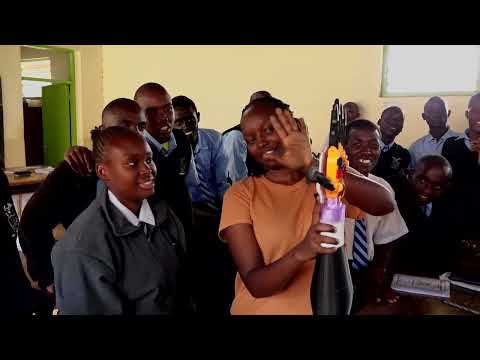
ZeroBionic, the startup behind the device, was founded by 22-year-old Norah Kimathi. Her team aims to make everyday classrooms accessible to learners who are deaf or hard of hearing by equipping teachers — many of whom don’t know sign language — with an affordable way to communicate visually.
The Growing Demand for Data-Driven Decision Making in Silicon Valley
He quit, ran out of money, and begged to come back — here’s how his boss reacted
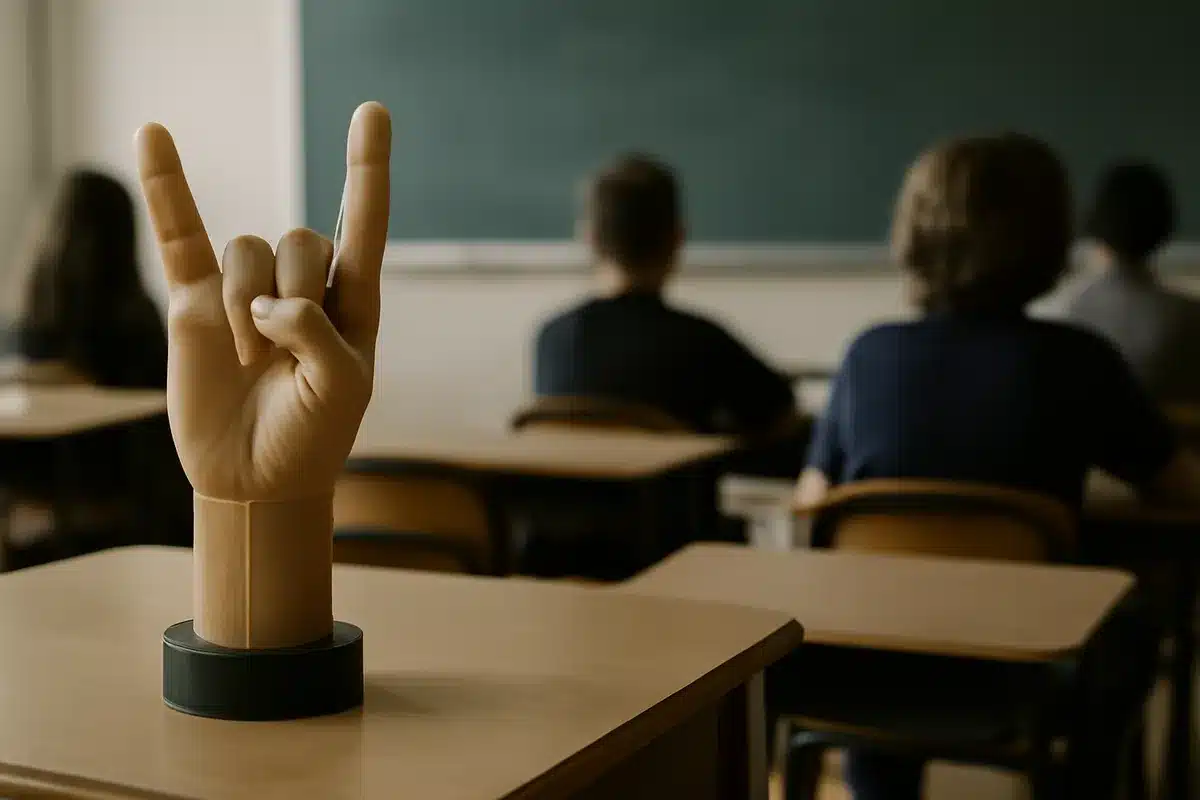
Inside the robotic hand: how speech becomes signed motion
The system converts spoken language into hand and finger movements that represent sign-language gestures. At its core, the device combines speech-recognition software with a compact, motor-driven prosthetic hand. The hardware is produced using 3D printing from recycled plastic, keeping production costs low.
- Speech capture: Audio is recorded in the classroom and processed to identify words or phrases.
- Translation mapping: Software maps recognized speech to the corresponding sign gestures in the startup’s dataset.
- Actuation: Miniature motors animate the 3D-printed hand to form the signs.
Each robotic hand is priced at around $350, can operate for roughly three years without routine maintenance, and ZeroBionic has already delivered dozens of units. The company reports a high level of reliability, with the speech-to-sign translation performing at about 92% accuracy, a figure that has encouraged adoption in pilot classrooms.
Creating a sign-language dataset from scratch
One of the biggest obstacles the team faced was the lack of an existing reference for Kenyan sign language. Unlike countries with established sign-language corpora, Kenya does not have a single standardized dataset to train translation algorithms.
To build their own resource, ZeroBionic collaborated directly with deaf educators and experienced signers. Participants wore an electrode-lined bodysuit that captured detailed motion and muscle patterns as they signed. Because the suit had to be imported, data collection required extra logistics and investment — but it produced the motion-capture records needed for reliable mapping between spoken phrases and signed gestures.
Why the dataset matters
- It enables consistent, automated translation from speech to gesture.
- It preserves regional variations and expands vocabulary over time.
- It creates a foundation for future projects that could support multiple African sign languages.
Classroom impact: opening lessons to more learners
Kenya faces a large accessibility gap: an estimated 300,000 children in the country are deaf or have significant hearing impairment, and only a portion of them attend school. Traditional classroom instruction in subjects like math and science can be especially tough to convey without visual language support.
By equipping teachers with a robotic hand that displays signs in real time, ZeroBionic lets educators continue to teach directly while students follow along visually. The approach not only broadens who can teach these students but also reduces the need for a trained interpreter to be present in every lesson. As Kimathi has noted in interviews from her Nairobi lab, seeing a child understand a concept because of the device is an emotional driver for the team — a reminder that technology can produce immediate human benefits.
Planning the next step: a full upper-torso signing robot
The robotic hand is only the beginning. ZeroBionic’s roadmap includes developing a larger, upper-torso unit — called Africa One internally — that can replicate more nuanced body language and facial cues integral to many sign languages. Expanding from a single hand to a torso-based system will allow a richer vocabulary and finer grammatical expression, improving translation accuracy and educational utility.
Challenges ahead include increasing dataset size, refining software for classroom noise and accents, and building partnerships to scale distribution across schools and NGOs. If successful, the company hopes to make automated sign translation widely available across the continent.
Other assistive robotics and mobility innovations to watch
- Robots deployed to inspect and repair sidewalks in U.S. cities, improving urban accessibility.
- Wearable exoskeletons that help stroke survivors regain arm movement and independence.
- All-terrain robots inspired by mountain goats that could support greater mobility for wheelchair users.
You might also like:
- This chart reveals the true size of every language in the world—one fact will shock you
- Mushrooms create music with bionic arms using their own energy
- Dogs learn new words by eavesdropping on their owners, study shows
- WHO Triumphs: Kenya Finally Free from Deadly Tropical Parasite After Long Battle!
- Kentucky teacher of the year builds prosthetic hand for student in school 3D printing lab

Michael Thompson is an experienced journalist covering U.S. and global news. With ten years on the front lines, he breaks down political and economic stories that matter. His precise writing and keen attention to detail help you grasp the real‑world impact of every event.


Man, I remember strugglin to communicate with my deaf classmate back in school. This Kenyan startups robotic hands translating teachers voices into sign language is a game-changer! Finally, inclusivity in education!
Damn, I feel you on that struggle, man. I bet that startups onto something big with those robotic hands! Inclusivity in education is whats up. Its about time we start breaking down those communication barriers, right?
Man, this tech breakthrough hits home! I remember struggling to follow lessons as a deaf student. These robotic hands bridging the gap between teachers words and sign language? Game changer. Finally, inclusivity in action!
Dude, that tech breakthrough is straight-up mind-blowing! Imagine the possibilities for all the peeps out there whove been struggling to keep up. Its like leveling up the inclusivity game. Mad props to the brains behind those robotic hands!
Ya know, these robotic hands for sign language, theyre like that cool friend who always has your back. Making education accessible for deaf students? Thats what I call innovation with heart. Kudos to the Kenyan startup for breaking barriers!
Man, I remember strugglin to keep up in class with my deaf friend. This startups robotic hands? Mind-blowing! Finally, deaf students can follow lessons in sign language real-time. Game-changer for inclusivity, man!
Man, this tech breakthrough is like something out of a sci-fi flick! Imagine robotic hands translating speech into sign language for deaf students. Thats some next-level innovation right there. Big kudos to the Kenyan startup for making education more inclusive!
Dude, totally agree! Its like were living in a real-life sci-fi flick with these mind-blowing innovations. Makes you wonder whats next, right? Gotta give props to that Kenyan startup for leveling up the game and making education more inclusive. Who knew the future was closer than we thought?
Man, I remember strugglin to understand my teacher back in the day. This Kenyan startups robotic hands changin the game for deaf students. Sign language from speech? Mind-blowing tech for real!
Man, these robotic hands in Kenya are changing the game for deaf students. Imagine the power of technology to bridge communication gaps in classrooms! Its like science fiction coming to life. Cant wait to see more innovations like this.
Man, I remember struggling to communicate with a deaf classmate in school. This Kenyan startups robotic hands bridging that gap? Mind-blowing. Finally, tech making real impact where its needed most.
Dang, I feel ya! Its wild how techs stepping up, right? Like, from those awkward scribbles to legit communication. Aint it rad seein innovation in action, especially when its helpin peeps cut through barriers? Who knew robotic hands could be so game-changin!
Man, this tech blows my mind! Imagine, robotic hands translating a teachers words into sign language for deaf students. Its like science fiction coming to life, making education more inclusive. Kudos to the Kenyan startup for this game-changer!
Man, this tech blows my mind! Imagine the possibilities for deaf students… Finally getting access to education without barriers. Cant wait to see more innovations breaking down these walls!
Dude, totally feel ya on that! The tech game be wild these days, openin up doors we never even thought bout. Deaf students finally catchin a break, gettin to learn without all them pesky hurdles? Thats some real game-changer stuff right there. Cant wait to see what else these brainiacs come up with next!
Man, I remember struggling to communicate with my deaf classmate back in high school. This Kenyan startups robotic hands turning speech into sign language is a game-changer! Imagine the possibilities for inclusive education. Kudos to innovation!
Man, I totally get that struggle! High school memories, huh? But dang, that Kenyan startups onto somethin with those robotic hands! Inclusive education? Thats the real deal right there. Innovation at its finest! Hats off to em for making a difference!
Man, this tech is like something outta sci-fi, right? Imagine how game-changing this can be for deaf students. Accessibility matters, folks. Big up to the Kenyan startup for making moves like this.
Man, these robotic hands turning teacher talk to sign language for deaf kids? Mind-blowing! Imagine the impact in classrooms. Finally, inclusivity in action! Big props to the Kenyan startup for this game-changer.
Yo, for real, those robotic hands turning teacher talk into sign language for deaf kids? Thats some next-level stuff right there! Imagine the vibes in classrooms now, everyone in sync. Major respect to that Kenyan startup for shaking things up. Its about time we see inclusivity taking the lead.
Man, I remember my deaf buddy struggling in school. This Kenyan tech is a game-changer! Turning speech into sign language? Mind-blowing stuff, yo. Education should be inclusive for all.
Yo, man, I feel that. Inclusive tech is the way to go! Imagine converting speech to sign language, thats some next-level innovation right there. Education should definitely be for everyone, no one left behind, you know? Props to Kenya for making moves in the right direction.
Man, this Kenyan startups onto something with those robotic hands translating sign language! Imagine the doors that open for deaf students. Changing lives and breaking barriers, one techy hand at a time.
Bro, this techs a game-changer! Imagine finally bridgin that gap for deaf students. Sign language straight from the teachers voice? Thats some next-level inclusion! Cant wait to see more innovations like this in education.
Oh, I remember struggling to follow class back in the day. This Kenyan startups robotic hands are a game-changer, bridging that gap for deaf students. Exciting to see tech breaking barriers!
Man, I remember strugglin to follow classes back in the day. This Kenyan startups robotic hands? Genius move, man. Finally givin deaf students a fair shot at learnin. Props to em for makin education more inclusive.
Man, this tech breakthrough for deaf students is next-level! Imagine having robotic hands translate the teachers speech into sign language in real time. Its like sci-fi meets education, opening up endless possibilities for inclusive learning. Kudos to the Kenyan startup for making a difference!
Man, this tech blows my mind! Imagine the doors it opens for deaf students. The blend of innovation and accessibility is wicked. Props to the Kenyan startup for making education more inclusive!
Man, that Kenyan startups onto something big with those robotic hands for deaf students. Imagine, translating the teachers voice into sign language – thats some next-level innovation right there! Hope they get the support they need to make a real impact.
Man, these robotic hands turning spoken words into sign language? Thats like straight out of a sci-fi flick! Imagine the possibilities for deaf students. Hope this tech spreads like wildfire to empower more folks.
Man, this tech is game-changer! Imagine the freedom for deaf students! Wish we had this back in school, wouldve made learning a breeze. Kudos to the Kenyan startup for bringing inclusivity to classrooms!
Man, I remember struggling to follow classes back in the day. This Kenyan startups onto something huge with those robotic hands for sign language. Innovation meets inclusivity, love to see it!
Dang, I feel you, mate! Back in my day, keeping up in class was like deciphering hieroglyphics. But hey, gotta give props to those Kenyan brains for cooking up those sign language robotic hands. Its like theyre bringing the future to the present, yknow? Innovation and inclusivity in a cool handshake. Loving the vibe!
Man, imagine having robotic hands to translate the teachers words into sign language for deaf students? Thats some futuristic stuff right there! Technology changing lives in the classroom, sign me up for that innovation any day!