
Show summary Hide summary
- How La Mojana’s vast irrigation network defies old assumptions
- What the system looked like and why it mattered
- Mapping, measurement, and new methods used by researchers
- Estimating labor, population, and timelines
- Why this ancient technology matters for today’s water challenges
- Broader archaeological and cultural context
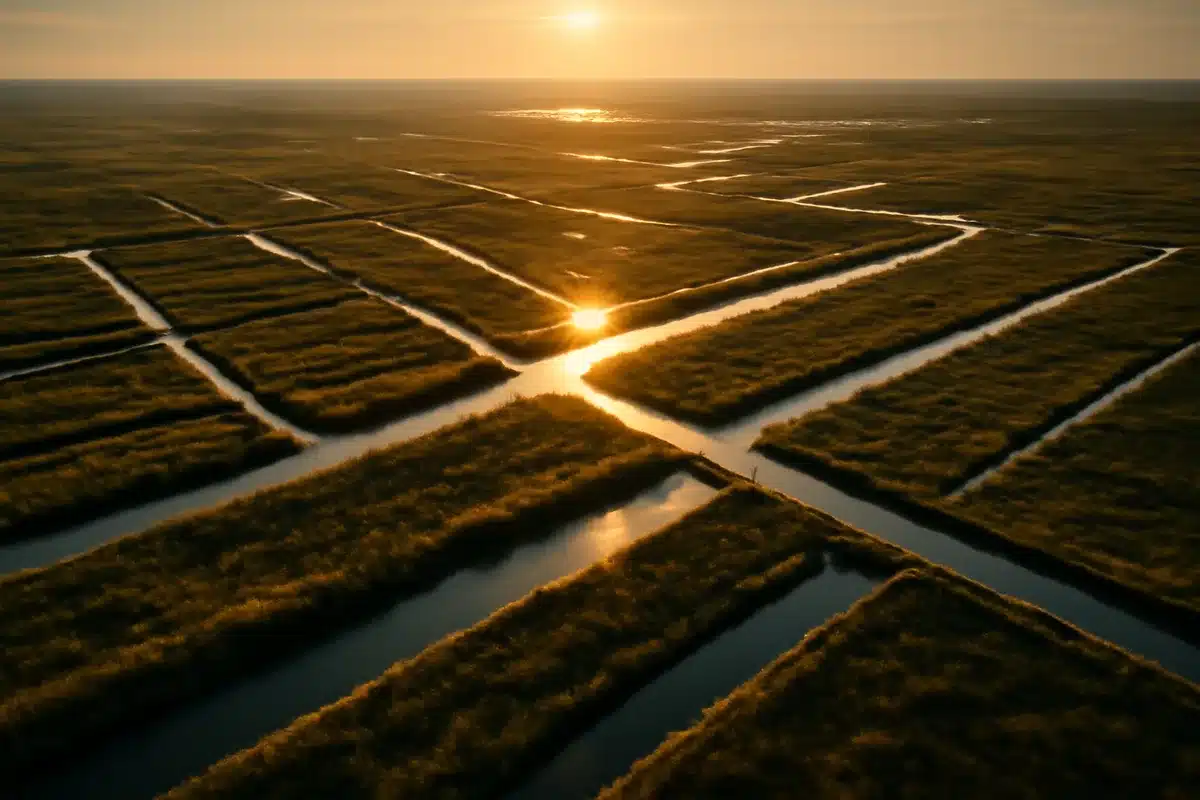
From the air, the wetlands of northern Colombia look punctuated by long, regular ridges and waterways—remnants of an enormous, deliberate reshaping of the land made by ancient farmers. New archaeological analysis reveals that these were not the work of a distant ruler issuing orders, but the product of coordinated efforts by local households who engineered one of the region’s most impressive water-control systems.
Researchers now say those pre-Hispanic irrigation works, centered in the La Mojana marshes, were built and maintained through community organization rather than centralized authority. The findings not only change how we think about ancient engineering in South America, but also point to practical ideas for addressing contemporary water challenges across Colombia.
How La Mojana’s vast irrigation network defies old assumptions
La Mojana’s network of canals and raised fields covers an area so extensive it can be seen from high altitudes. Archaeologists date intensive use of the system roughly from the early centuries BCE to about the 11th century CE, and the landscape modified by these works spans approximately 500,000 hectares—about three times the surface area of present-day London.
The Growing Demand for Data-Driven Decision Making in Silicon Valley
He quit, ran out of money, and begged to come back — here’s how his boss reacted
Until now, many scholars assumed that such large-scale, intricate hydraulic systems required top-down political control or a hierarchical chiefdom to plan and mobilize labor. The new study, led by researchers from the University of Cambridge in collaboration with Colombia’s Institute of Anthropology and History (ICANH), provides evidence that neighboring family groups organized the construction and upkeep themselves.
What the system looked like and why it mattered
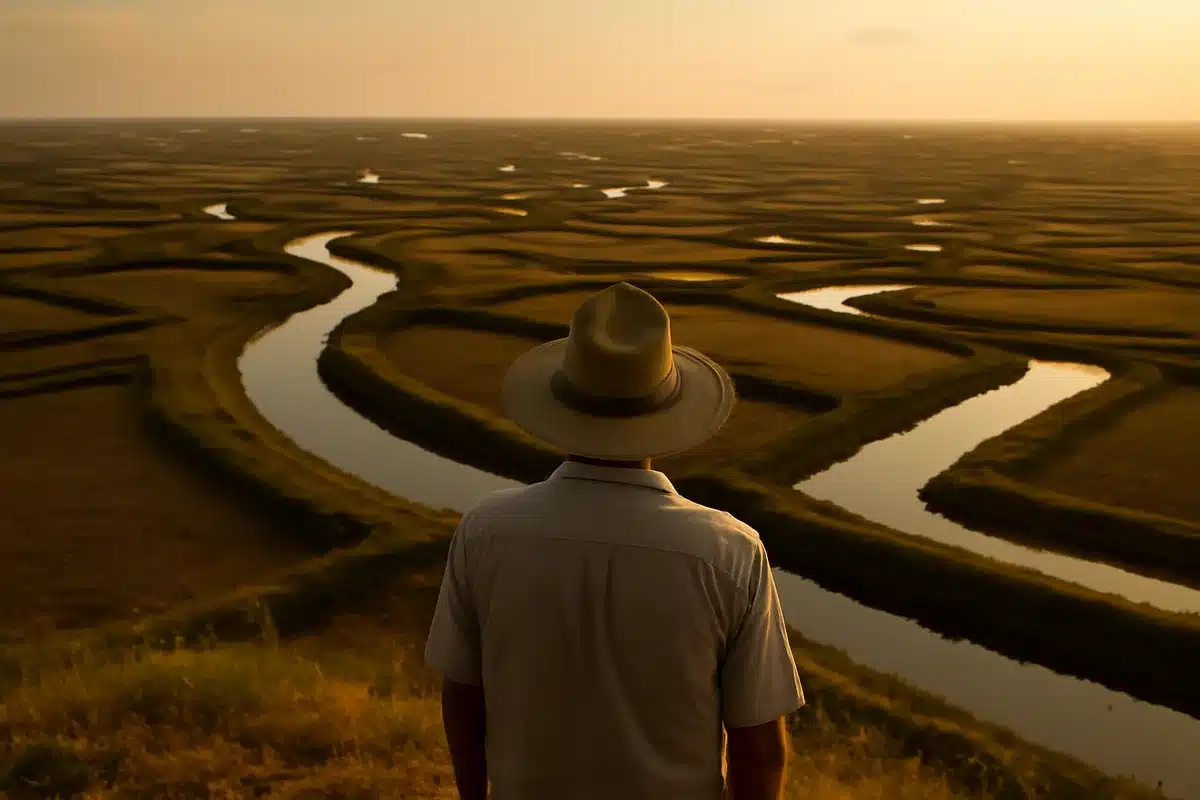
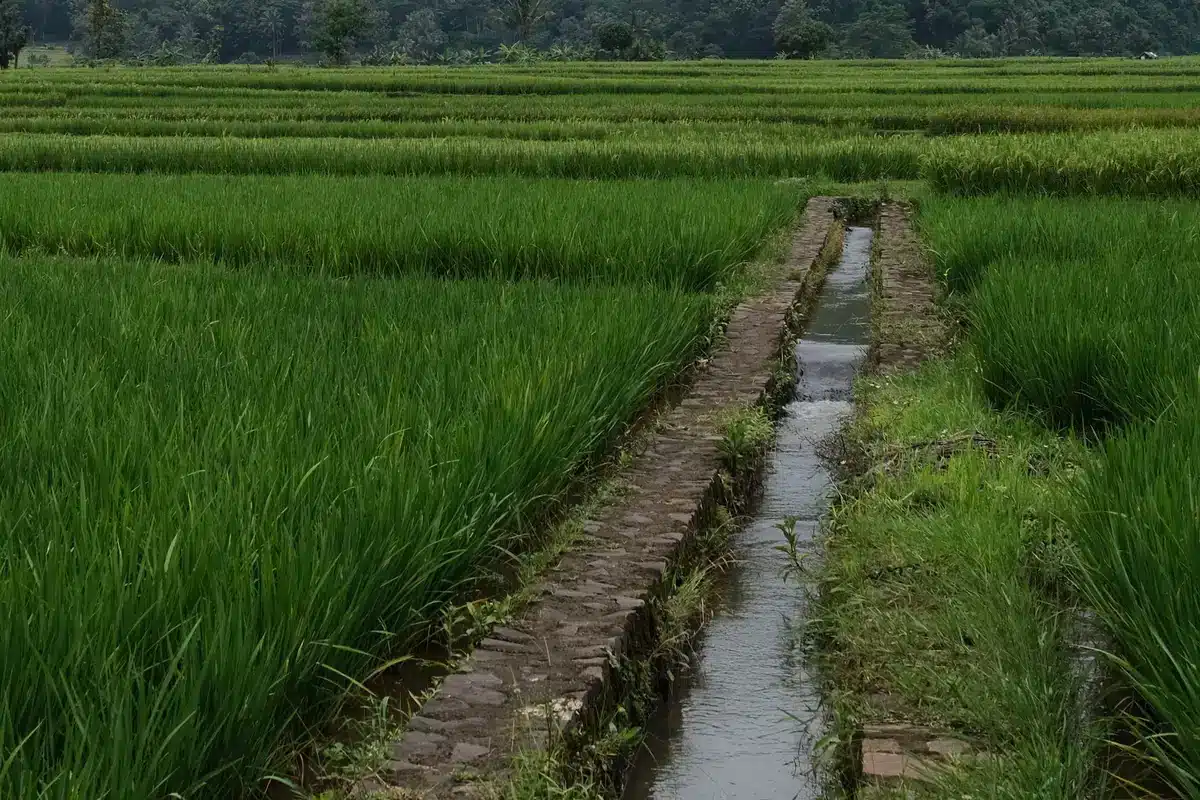
The ancient engineers combined canals with elevated planting platforms to manage water across a landscape of permanent pools and seasonal floodplains. Instead of fighting the environment, they channeled and stored water to smooth out seasonal extremes.
Primary functions of the raised-field system
- Flood control: During heavy rains, the canals and channels absorbed and redirected excess water to prevent destructive inundation.
- Drought buffering: In drier months, stored water was gradually released to maintain moisture in the raised soils.
- Soil enhancement: Sediment and nutrients carried by slow-moving water enriched the planting surfaces, extending cultivation into otherwise marginal ground.
- Resource diversification: The layout likely supported fish capture and other aquatic resources alongside crop production.
These design choices created a resilient system that simultaneously protected settlements, supported agriculture, and took advantage of the wetlands’ ecological productivity.
Mapping, measurement, and new methods used by researchers
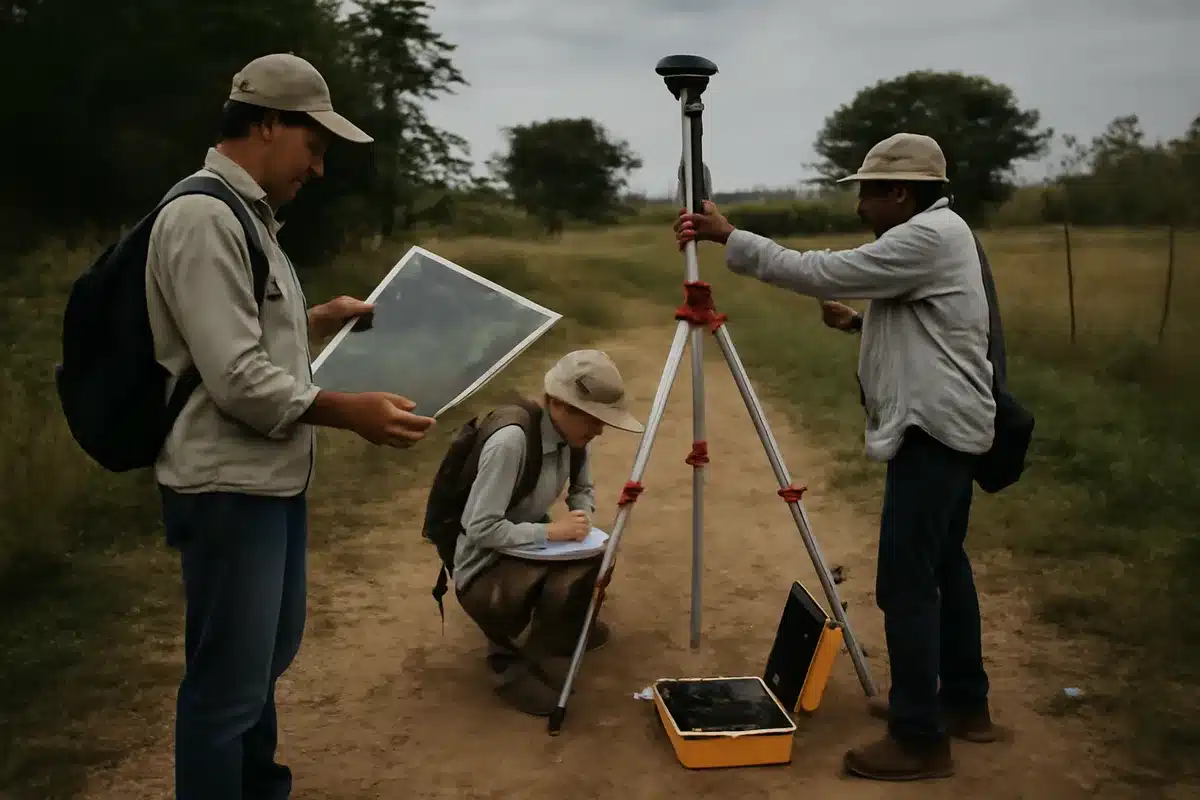
To reconstruct the layout and scope of the engineering, the team combined satellite imagery with detailed field survey. They focused on a mapped zone in the municipality of San Marcos, in Sucre, where a 500-hectare sample revealed the density and dimensions of the network with unprecedented precision.
- Surveyed features included roughly 1,600 ridges and 63 elevated living platforms.
- Measurements showed the ridges stood about 1.4 meters above the adjacent canal bottoms when originally built.
- High-resolution remote sensing allowed the team to chart the spatial relationships among canals, fields, and habitations across the sample area.
Beyond mapping, the researchers introduced a novel approach to estimate the human labor necessary for construction. Their model took into account volumes of earth moved, local soil types, known indigenous working practices, likely population densities, and the tools available at the time—none of which included metal digging implements.
Estimating labor, population, and timelines
Using conservative demographic starting points—an estimated population of about 1,600 people for the sampled area—the team modeled reasonable labor forces and participation patterns. They assumed a working pool that included a substantial share of the population (roughly half), reflecting ethnographic evidence that farming tasks were shared among men, women, and children.
- Workforce assumptions: The study modeled scenarios with approximately 800 people contributing labor.
- Environmental constraints: Heavy clay soils found in the Colombian Caribbean would have increased physical effort and slowed digging without metal tools.
- Construction pace: The results suggest the large earthworks could have been completed far more rapidly than older theories proposed—consistent with coordinated, episodic community labor rather than multi-generational, centrally controlled projects.
That analysis led the authors to challenge the conventional belief that only hierarchical polities could realize such hydraulic marvels. Instead, the data favor a model of horizontal organization—neighbors building together for mutual benefit.
Why this ancient technology matters for today’s water challenges
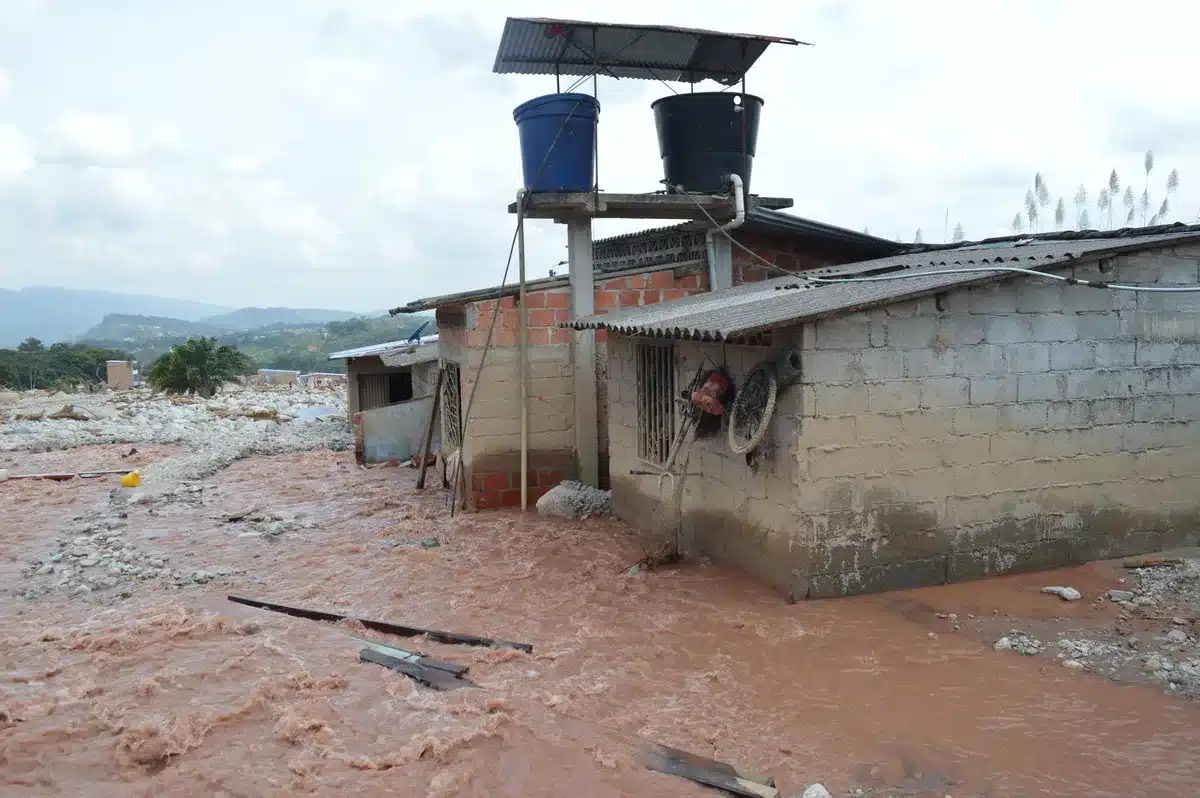
Colombia is facing modern water-management difficulties linked to climate variability and changing precipitation patterns. The Cambridge–ICANH team argues that the La Mojana example offers a template for locally governed, low-tech resilience strategies. These solutions rely more on social coordination and local knowledge than on large-scale, state-run infrastructure.
Practical policy implications
- Support community-led water projects that adapt traditional designs to current conditions.
- Provide resources, technical guidance, and legal frameworks rather than directing every stage of implementation.
- Combine remote sensing and field-based mapping to identify where restored or reworked systems could yield quick, local benefits.
- Value mixed-use approaches that integrate production, flood control, and biodiversity services.
Study co-authors emphasize that while governments may supply funding and technical support, the organizational model revealed by the La Mojana works suggests local people can design and maintain durable water systems when given the means and recognition.
Broader archaeological and cultural context
The engineers of La Mojana were contemporaries of major state societies in Mesoamerica and the Andes—groups that eventually produced empires such as the Aztec and Inca. Yet in this lowland region there is little evidence of centralized states; instead, archaeological finds like goldwork and ceramics point to societies that chose flatter social structures while still achieving technological complexity.
- Timeframe: intensive activity from early centuries BCE through roughly the 11th century CE, with signs that raised-field use declined before Spanish contact in the 16th century.
- Cultural indicators: sophisticated material culture alongside evidence for cooperative land management.
- Research publication: the full analysis appears in the peer-reviewed journal Communications Sustainability, with authors from the University of Cambridge and ICANH.
Researchers suggest that understanding how past communities balanced environmental knowledge, labor-sharing, and landscape engineering can help modern planners craft distributed, community-focused responses to flood and drought risks.
You might also like:
- Roman stone-lined basin discovered predates concrete, reveals advanced engineering
- Luxor colossal statues of an ancient pharaoh stand again after 30 years of restoration
- Armenia’s 6,000-year-old dragon stones mystery solved by archaeologists
- Pompeii evidence reveals Roman automatic weapon used more than 2,000 years ago
- Beijing groundwater depletion reversed, aquifer restored

Michael Thompson is an experienced journalist covering U.S. and global news. With ten years on the front lines, he breaks down political and economic stories that matter. His precise writing and keen attention to detail help you grasp the real‑world impact of every event.


Man, those early farmers were onto something, huh? Building massive irrigation without a central govt? Talk about independence! They were like, We got this, nature, no need for your rules! Mad respect for their engineering skills and self-reliance.
Dang, those early farmers were like the OG DIYers, right? Just grabbing some dirt, a few rocks, and boom! Suddenly theyre all, Who needs a fancy ruler when you got a shovel? Major props to their hustle and ingenuity. Can you imagine their reaction if they saw our modern tech? Wonder if theyd be impressed or just like, Pfft, we did that ages ago.
Man, those early farmers were on another level, building a massive irrigation system without some big boss telling em what to do. Imagine the hustle and ingenuity, all for that lush greenery. Respect where its due!
Man, these ancient farmers were like the OG engineers, no central gov needed! Makes you wonder what other cool stuff they were up to back then. Time to give those history books a second look, huh?
Man, those early farmers were really onto something, huh? Building massive irrigation systems without a central government? Thats some next-level teamwork and engineering skills right there. Talk about innovation without the need for a big boss!
Man, those early farmers were onto something, huh? Building a massive irrigation system without a central government? Thats some serious DIY spirit. Makes you wonder what we could achieve today if we put our minds to it.
I always knew those early farmers were onto something, man! Building a massive irrigation system without a central government? Thats some next-level teamwork and engineering skills right there. Imagine what else they couldve achieved with todays tech!
Man, those early farmers were onto something, huh? No central govt, just good ol teamwork and innovation. Makes you wonder what we could accomplish today if we put our heads together more often, ya know?
Oh man, totally feel ya on that one! Those early farmers were like the OG squad goals, right? Just out there winging it, no big boss telling em what to do. Kinda makes you wonder if were missing out on some ancient wisdom, huh? Like, can we get back to that vibe of teamwork and DIY innovation? Imagine the epic stuff we could pull off if we ditched all the red tape and just got down to business. Time to bring back the good ol days, am I right?
Man, those early farmers were on another level, no central govt but still building massive irrigation? Thats some serious teamwork and engineering skills. Makes you wonder what else they were capable of back then.
Man, those ancient farmers were onto something, huh? Building massive irrigation systems without a central gov? Thats some next-level teamwork and engineering skills right there. Makes you wonder what else they were capable of, ya know?
Absolutely, mate! Those ancient farmers were the OG dream team, no doubt. I mean, talk about some serious multitasking – growing crops and constructing mega irrigation systems like it was a walk in the park. Makes you wonder if they had some secret superhero powers up their sleeves, huh? Like, were they also low-key time travelers or something? The mysteries of the ancient world, man… Just when you think you got it all figured out, they hit you with those mind-blowing engineering skills. Crazy stuff!
Hey, remember when we thought ancient folks were just chilling? Early farmers were out there building massive irrigation systems sans central gov! Talk about DIY engineering at its finest, right? Those guys were on another level.
Totally, dude! Like, can you imagine the grind of designing those systems without YouTube tutorials or Insta-inspo? Ancient farmers were the OG DIY influencers, paving the way for all the DIYers today. Just think, we struggle with assembling IKEA furniture, and they were out there engineering whole civilizations! Mind-blowing, right?
I remember hearing about those ancient farmers! Crazy how they pulled off such a huge irrigation system without a central government. Makes you wonder what other cool stuff they were up to back in the day.
I remember reading bout ancient farmers rockin the irrigation game solo. No big govt, just DIY waterworks. Mad respect! Makes you wonder what else peeps back then were pullin off under the radar.
Man, those ancient farmers were the OG DIY masters, no doubt! Talk about hustling with those irrigation skills! Its wild to think about all the sneaky innovations they were cookin up back then. Makes me wonder what other secret talents they were hiding up their sleeves, ya know? Like, were they lowkey inventing the first farm-to-table joints or hosting ancient bake-offs? The mysteries of history, man.
Man, those early farmers were onto something! Building a massive irrigation system without a central government? Thats some next-level teamwork and innovation. Makes you wonder what we can achieve when we put our heads together, right?
I remember hearin bout this! Its wild how them early farmers pulled off such a massive irrigation system without a central govt. Makes ya wonder what other cool stuff folks did back in the day, right?
Man, those early farmers were like the OG engineers, no kidding! Building a massive irrigation system without a central government? Talk about teamwork and innovation, way ahead of their time. Imagine what they couldve done with todays tech!
Man, those early farmers were like the OG engineers, right? Building massive irrigation without a central gov? Thats some next-level teamwork. Makes you wonder what else we could achieve without waitin on the big shots.
Who wouldve thought those ancient farmers were such trendsetters? Building a massive irrigation system without a central govt? Thats some next-level teamwork! Makes you wonder what else they were capable of, huh?
I mean, talk about DIY spirit! Those early farmers were like, Who needs a boss telling us how to irrigate? Lets DIY this whole thing! Massive respect for their hustle and ingenuity, am I right?
Damn, those early farmers were total trailblazers, huh? I can almost picture em squinting at the sun, going, Boss who? We got this. Gotta hand it to em, DIY-ing irrigation like pros. Respect!
Man, those early farmers were onto something, huh? Building a massive irrigation system without a central government calling the shots? Talk about impressive teamwork. Makes you wonder what modern society could achieve with a little more cooperation, am I right?
I remember my grandpa telling stories bout ancient folks. Irrigation without a boss? Crazy! Makes you rethink society, huh? Maybe we dont need Big Brother watchin all the time.
I mean, can you imagine the level of coordination those early farmers had to pull off such a massive irrigation system without a central government? Thats some serious teamwork and engineering skills right there. Mad respect for the OG engineers!
Bro, totally feel you on that! Those ancient farmers were like the OG Avengers, saving the day with their irrigation superpowers. Its wild how they pulled off such a massive project without a bossy government breathing down their necks. Imagine the water cooler chats they mustve had back then – Hey, Bob, gonna water your fields today or what? Props to those ancient engineers, man!